States With The Most Tornadoes This Year
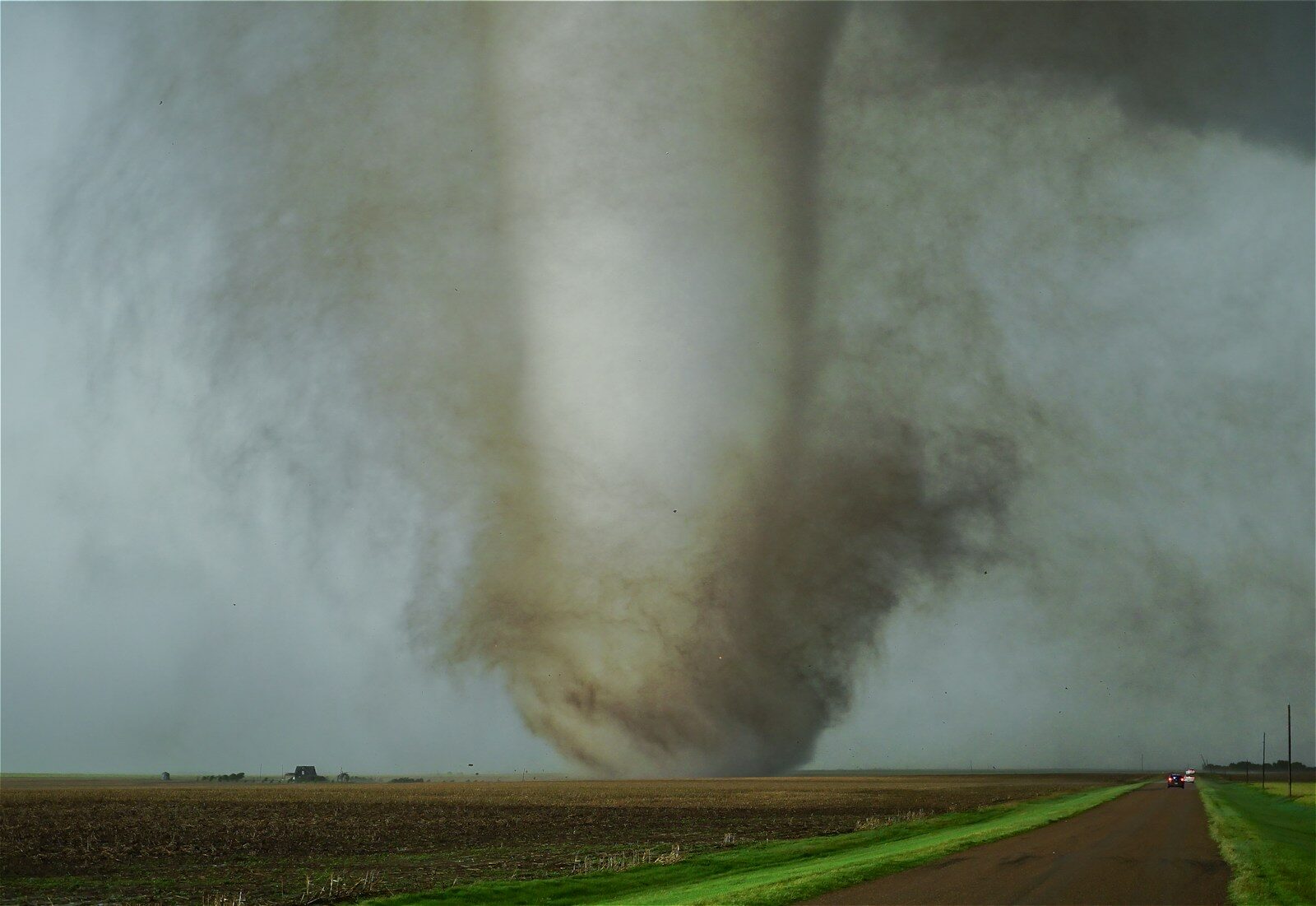
There were 1,557 tornadoes last year, above the 10-year average of 1,225, according to the Center for Homeland Defense and Security (CHDS). So far, 2026 is running ahead of last year’s pace.
The greatest concentration of tornadoes remains in “Tornado Alley.” As NOAA explains, the term is “a nickname invented by the media to refer to a broad area of relatively high tornado occurrence in the central United States.” This region runs roughly from Texas northeast through Oklahoma, Iowa, and Illinois. By contrast, tornadoes are extremely rare in the Western states, the Plains, and the Northeast.
Through April 17, 274 tornadoes had been recorded across the country. According to Weather.net, preliminary data show an above-normal pace of tornado reports through early March, with dozens already logged and the official count still rising as damage surveys are completed.
The areas hit hardest recently stretch from Mississippi to Minnesota. The Storm Prediction Center currently shows a high probability of severe storms in Illinois, Indiana, and Michigan. Eleven people have been killed by tornadoes this year across those three states, as well as Oklahoma.
The role of climate change in tornado formation and intensity remains a subject of debate, in part because tornadoes form and dissipate rapidly and are inherently difficult to study. NOAA notes that tornado trends are further complicated by expanding urban footprints (which give tornadoes more structures to damage), advances in radar technology that improve detection, and evolving reporting and survey methods over time. The Markowski Research Group echoes this uncertainty, noting that while the effects of global warming on sea levels, droughts, heat waves, and extreme rainfall are relatively well understood, how tornadoes will be affected remains far less clear.
One additional factor distinguishes tornadoes from other storm types: the process by which they are officially confirmed. According to Safe Room, the National Weather Service issues tornado warnings only when radar detects cloud rotation. Official confirmation of a touchdown comes later — sometimes days after the storm — following thorough ground surveys of wind speeds and shear velocities.
Data for the top states were drawn from iWeather.net, WIFR, NOAA, and the National Weather Service.
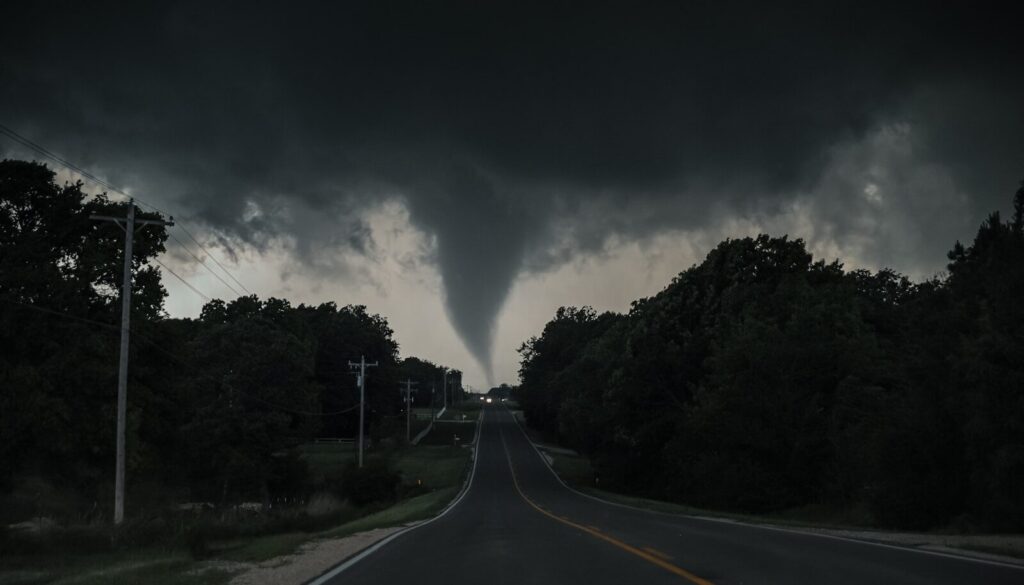
Top States for Tornadoes in 2026 (Year-to-Date)
- Illinois: ~54 (the clear leader, driven by active March outbreaks and earlier events)
- Mississippi: ~47 (strong early activity, particularly in winter and early spring along Gulf Coast areas)
- Louisiana: ~29–31 (frequent activity in February and March, including several Quasi-Linear Convective System, or QLCS, events)
- Oklahoma: ~20+ (multiple outbreaks, including deadly events in March)
Alabama, Indiana, Texas, Kentucky, and Arkansas also recorded significant activity, though final counts for those states — likely in the range of 20 or fewer — are not yet confirmed.
Sponsor
Find a Vetted Financial Advisor
- Finding a fiduciary financial advisor doesn't have to be hard. SmartAsset's free tool matches you with up to 3 financial advisors that serve your area in 5 minutes.
- Each advisor has been vetted by SmartAsset and is held to a fiduciary standard to act in your best interests. Get on the path toward achieving your financial goals!
More from ClimateCrisis 247
- the states with the best EV infrastructure
- Countries Leading the World in Nuclear Energy
- Will This Be The Most Destructive Wildfire Season In US History?
- Climate Change Fuels More Intense Rainfall in These 10 US Cities