The Worst Dangers Of Climate Change Are Still To Come, According to Scientists
Most climate stories written today focus on extremes: the worst rain, the worst flood, the worst drought, the worst hurricane. It would be a mistake — both scientifically and from a humanitarian standpoint — to downplay the devastating effects of climate change, which have worsened significantly this century. According to Berkeley Earth, 2025 was the third warmest year on Earth since 1850, exceeded only by 2024 and 2023. While scientists attribute some portion of this warming to natural weather patterns, the overwhelming consensus is that rising temperatures are driven primarily by human activity.
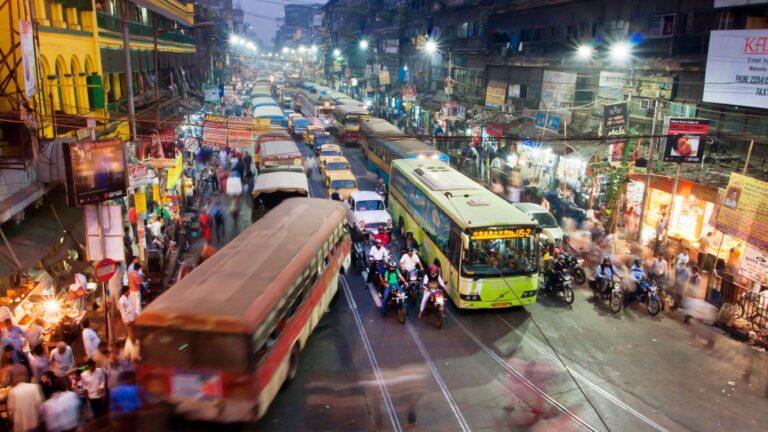
Yet the most severe damage caused by global warming is not yet felt universally. Ninety-degree heat in London in May carries real health consequences, but it will not kill large numbers of people. Even Florida, recently battered by major hurricanes, faces manageable economic challenges relative to the state’s GDP — though at the local level, the destruction is undeniably severe. Still, even 110-degree heat in Las Vegas does not compare to conditions in parts of the world where climate change has become a matter of survival. New Delhi, a city of 20 million, has recorded temperatures as high as 115°F alongside dangerously poor air quality.
For now, most people in the world are not yet major victims of climate change — even as its worst effects are already devastating certain regions.
What drives urgent concern is what lies ahead. Much of the world is already retreating from earlier commitments to reduce greenhouse gas emissions. The Paris Agreement — a legally binding international treaty adopted by 195 nations at COP21 on December 12, 2015 — set a clear benchmark: limiting global temperature increases to 1.5°C above pre-industrial levels. The United States is among the nations that have since abandoned that commitment.
Scientists have developed detailed projections of what will happen by the end of this century if warming continues at its current pace. The most dangerous outcomes would occur under high-emissions scenarios, with warming reaching approximately 3–5°C above pre-industrial levels by 2100. If the world moderates its use of fossil fuels, the worst results become unlikely — but that moderation is not currently underway. Fossil fuel consumption continues to rise, and the United States has both undermined the growth of solar and wind energy and actively encouraged oil drilling and coal mining.
The following are the most severe, well-documented risks to human life and society, drawn from projections by the WHO, IPCC, MIT, Stanford, and multiple scientific journals and research institutions.
Extreme Heat and Habitability
In parts of South Asia and the Middle East, combinations of heat and humidity may exceed the limits of human survival — a wet-bulb temperature of approximately 35°C, beyond which the body can no longer cool itself. Outdoor labor would become life-threatening for much of the year, and cooling systems would be overwhelmed in regions with unreliable electricity. Deaths could climb into the thousands rapidly, with the elderly, outdoor workers, and impoverished urban residents most at risk. Over time, millions could face life-threatening conditions during parts of every year.
At 4°C of warming, extreme heat events that were once considered once-in-a-century occurrences would become annual. Combined with worsening droughts, this would sharply reduce agricultural productivity and could cause hundreds of thousands of additional heat-related deaths per year.
Sea Level Rise and Coastal Destruction
Global sea levels could rise more than three feet by 2100, driven in part by accelerating ice sheet loss in Greenland and West Antarctica. Low-lying coastal zones would be permanently or repeatedly inundated.
Tens of millions of people would likely be displaced — particularly in and around cities such as Dhaka, Shanghai, Miami, New York, Jakarta, Mumbai, and New Orleans. Areas not entirely submerged would face chronic flooding, storm surges, and erosion. Trillions of dollars in assets and infrastructure would be destroyed, and freshwater supplies in many regions would be compromised.
Coastal abandonment and the resulting refugee flows would heighten the risk of political instability and military conflict in areas facing sudden surges in displaced populations.
Food and Water Insecurity
Heat, drought, floods, and shifting monsoon and hurricane patterns will increasingly devastate harvests of wheat, rice, and maize — staple crops in South Asia, North America, and China. Without significant adaptation through new seed varieties and irrigation systems, global production of these crops will fall sharply. The famine that recently crippled Somalia offers a stark preview of what broader crop failure can look like.
Hundreds of millions of people already face water stress, and the problem will deepen as glaciers melt, precipitation patterns shift, and droughts grow more frequent and severe. Water scarcity will amplify food crises and increase the likelihood of conflict.
Societal and Economic Collapse
Tens to hundreds of millions of people will be displaced — within their own countries or across borders — by heat, flooding, drought, and famine. Social instability will rise alongside violent conflict and political upheaval, beginning most acutely in vulnerable regions across Africa and South Asia.
The economic toll will run into the trillions, driven by climate disasters, reduced productivity, and the enormous costs of adaptation. Poorer nations and low-income populations will bear the heaviest burden, lacking the financial reserves or governmental safety nets to absorb or recover from repeated shocks.
Whether these are the defining conditions of humanity’s future depends on the choices made now. The central variable is clear: whether global fossil fuel use continues to rise — or finally begins to fall.
More from ClimateCrisis 247
- US Cities With Dangerous Coastal Flooding Due to Climate Change
- US Cities Investing to Protect Residents From Climate Change
- Cities Where The Most Americans Can’t Afford Air Conditioning
- Cities Where It Now Freezes Much Less In The Fall Than the Past