These 10 Foods Have The Most Impact on the Climate
The struggle to reduce global carbon emissions centers around fossil fuels, electricity, and transportation. While large-scale emitters like planes, ships, and factories tend to dominate the climate conversation, one of the biggest drivers of global warming may be sitting on your plate.
Our food system – from farming to land use to packaging to retail – accounts for more than a quarter of global greenhouse gas emissions. As the climate crisis intensifies, experts warn that cutting emissions from food production is essential. In setting agricultural priorities it is important for consumers to know the environmental impact of the foods they eat.
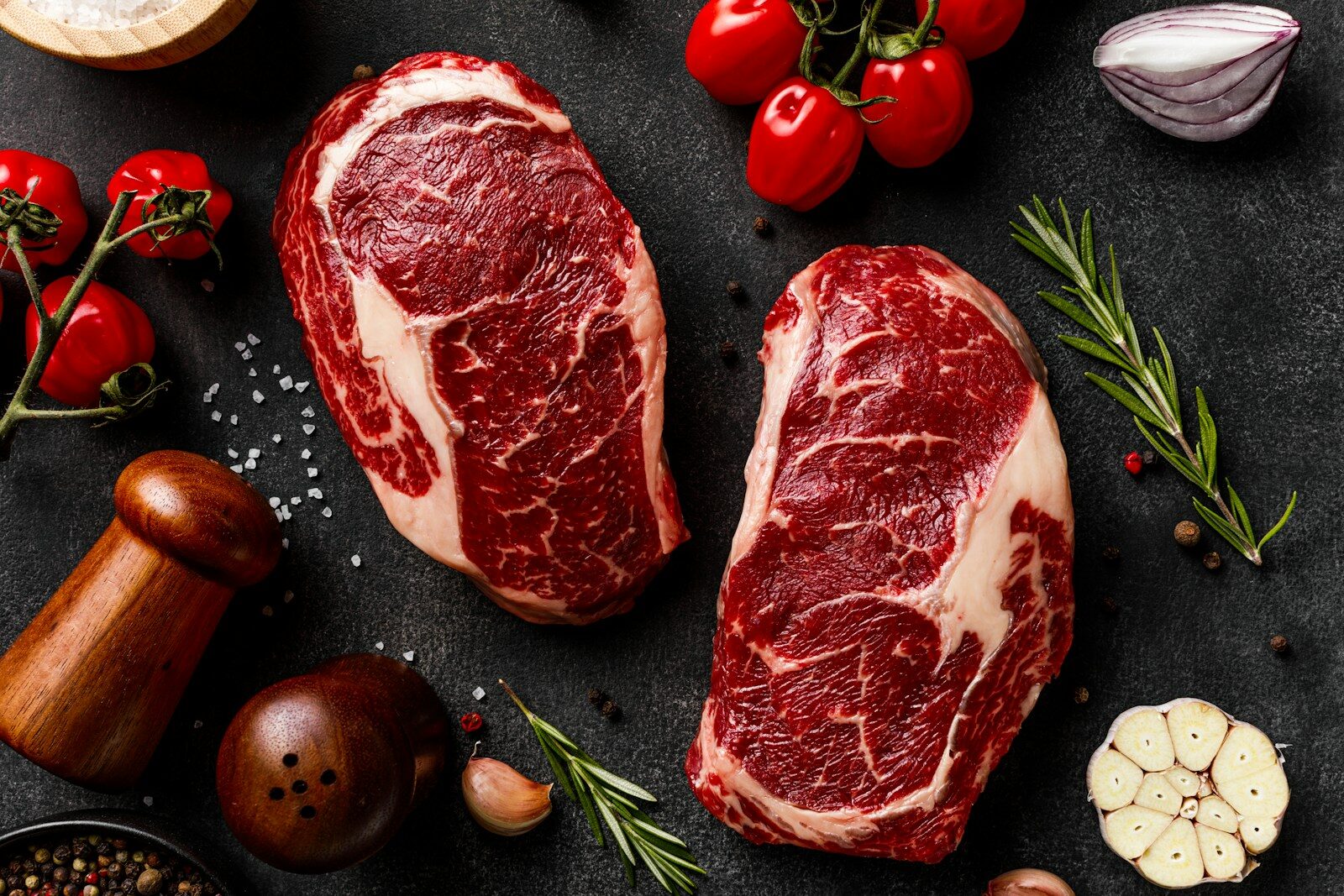
Red meat has the largest carbon footprint, requiring more feed per edible kilogram of meat and producing far more methane than poultry or plant-based options. Cheese ranks near the top, requiring milk from ruminant animals and energy-intensive refrigeration. Chocolate, tied to deforestation and long global supply chains, also ranks highly. A closer look at the data reveals the most carbon intensive foods.
To identify the foods with the highest climate impacts, Climate Crisis 247 reviewed data compiled from peer-reviewed studies, including Poore & Nemecek (2018) and Clark et al. (2022), aggregated by Our World in Data. Food products were ranked based on greenhouse gas emissions per kilogram. Emissions are based on farm-stage inputs such as fertilizer, land and water use, energy, animal feed, and agrochemicals. All greenhouse gases – including carbon dioxide, methane, and nitrous oxide – were standardized into carbon dioxide equivalents for comparison.

10. Cottage cheese
- Carbon footprint: 25.3 kg of CO2 equivalent per kg of edible food product
9. Lamb burgers
- Carbon footprint: 26.9 kg of CO2 equivalent per kg of edible food product
8. Instant coffee
- Carbon footprint: 28.8 kg of CO2 equivalent per kg of edible food product
7. Lamb leg
- Carbon footprint: 30.7 kg of CO2 equivalent per kg of edible food product
6. Lamb casserole
- Carbon footprint: 30.9 kg of CO2 equivalent per kg of edible food product
5. Lamb chops
- Carbon footprint: 30.9 kg of CO2 equivalent per kg of edible food product
4. Beef burger
- Carbon footprint: 54.0 kg of CO2 equivalent per kg of edible food product
3. Beef meatballs
- Carbon footprint: 70.8 kg of CO2 equivalent per kg of edible food product
2. Beef mince
- Carbon footprint: 95.0 kg of CO2 equivalent per kg of edible food product
1. Beef steak
- Carbon footprint: 129.7 kg of CO2 equivalent per kg of edible food product
More from ClimateCrisis 247
- The 10 Least Sustainable Countries In The World
- The Worst Back-to-Back Hurricanes in US History
- The Deadliest Hurricanes To Hit the US in the last half century
- States Producing The Most Greenhouse Gas Emissions