It’s Happened Before: A History of Wildfire’s Deadliest Toll on US Cities
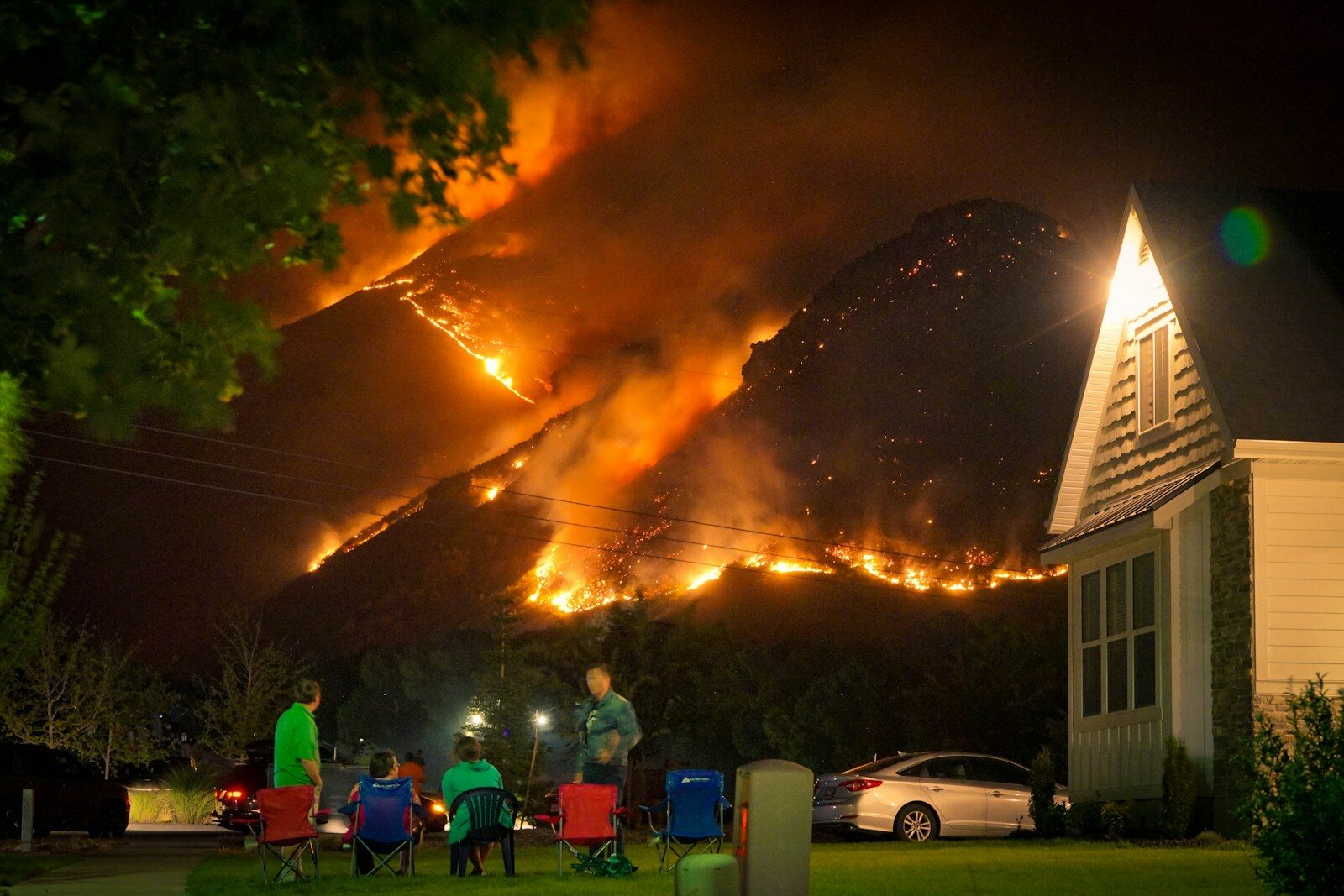
As fires rage across Europe, over 300,000 people have had to flee the areas where they live. According to PBS, “Across France and Spain, roughly 330,000 people have been driven from homes and vacation sites by huge wildfires.” Other parts of Europe face blistering heat and drought, so that number could grow this summer. A number of scientists say this drought and unprecedented heat have been made more likely by climate change.
The US has experienced similar problems this summer, though not on as large a scale. New wildfires near Spokane have menaced populated areas, forcing thousands of people to relocate, and property damage has followed in the fires’ path. CTV News reports that the Old Trails Fire, fueled by extreme fire weather conditions, has burned nearly 3,000 acres, with about 4,000 buildings threatened in the area, according to Washington State Forester George Geissler.
The most recent fires to damage part of a major city were the wildfires that hit the Los Angeles area in January 2025. The event was actually 10 fires burning close together. More than 180,000 people left their homes, and the damage carried a price tag of $100 billion.
Many of the largest wildfires in US history occurred more than a century ago. The deadliest wildfire in US history was the Peshtigo Fire in October 1871, which killed over 1,100 people.
Climatecrisis247 examined fires that burned all or part of US cities, drawing on data from the National Interagency Fire Center, The National Fire Protection Association, Britannica, PBS, and other media sources. These sources list cities that were burned or partially burned, though some judgment was required in assessing how much of each city was damaged.
Peshtigo, Wisconsin (1871)
Destroyed by a massive firestorm on October 8, 1871. A large number of residents were killed.
Holland, Michigan (1871)
Nearly destroyed by the Great Michigan Fire — actually several fires that burned across Michigan and Wisconsin.
Manistee, Michigan (1871)
Wiped out along the northern edge of the Great Michigan Fire. According to the National Weather Service, large wildfires also struck several areas in Michigan, with Holland, Port Huron, and Manistee seeing the most significant damage and loss of life.
Port Huron, Michigan (1871)
Sustained widespread damage. NOAA reported that over 500 people were killed across the cities affected by these fires.

Hinckley, Minnesota (1894)
Destroyed as part of the Great Hinckley Fire. According to MinnPost, the Hinckley fire began as two separate fires, one south of Mission Creek and the other south of Brook Park.
Phillips, Wisconsin (1894)
Science Digest described the devastation, noting accounts of fire tornadoes, exploding fireballs in the sky, and structures igniting from hundreds of meters away.
Marion, North Carolina (1894)
The entire downtown area was leveled by fire. A local historical account notes that in the early morning hours of November 25, 1894, a major fire swept through downtown Marion, destroying most of the buildings in its path.
Cloquet, Minnesota (1918)
Destroyed by a fire sparked by a passing railroad.
Santa Rosa, California (2017)
Devastated by the Tubbs Fire, part of a series of blazes known as the Sonoma Complex Fires. According to the city’s official history, the Sonoma Complex Fires tragically took 24 lives, forced an estimated 100,000 people to evacuate countywide, and destroyed more than 5,300 homes.
Paradise, California (2018)
Nearly destroyed by the Camp Fire. The California Air Resources Board reports that the 2018 Camp Fire was the deadliest wildfire in California history, killing at least 85 people as it burned through Butte County, destroying nearly 19,000 buildings and most of the town of Paradise.
Lahaina, Hawaii (2023)
The historic district was destroyed by wildfire. The U.S. Fire Administration reports that the most significantly impacted area was the historic district of Lahaina, where more than 100 lives were lost. The disaster spurred new efforts to develop specific plans for fighting fires in urban areas.
More from ClimateCrisis 247
- The Fish, Birds, and Mussels America Just Lost for Good
- The American Counties Missing the Most Rain This Year
- Tornado Season Looks Different Now: Is Your State on the List?
- The Least Reliable Electric Vehicles, According to Consumer Reports