Trump wants More Data Centers; These States will have The most in 5 years
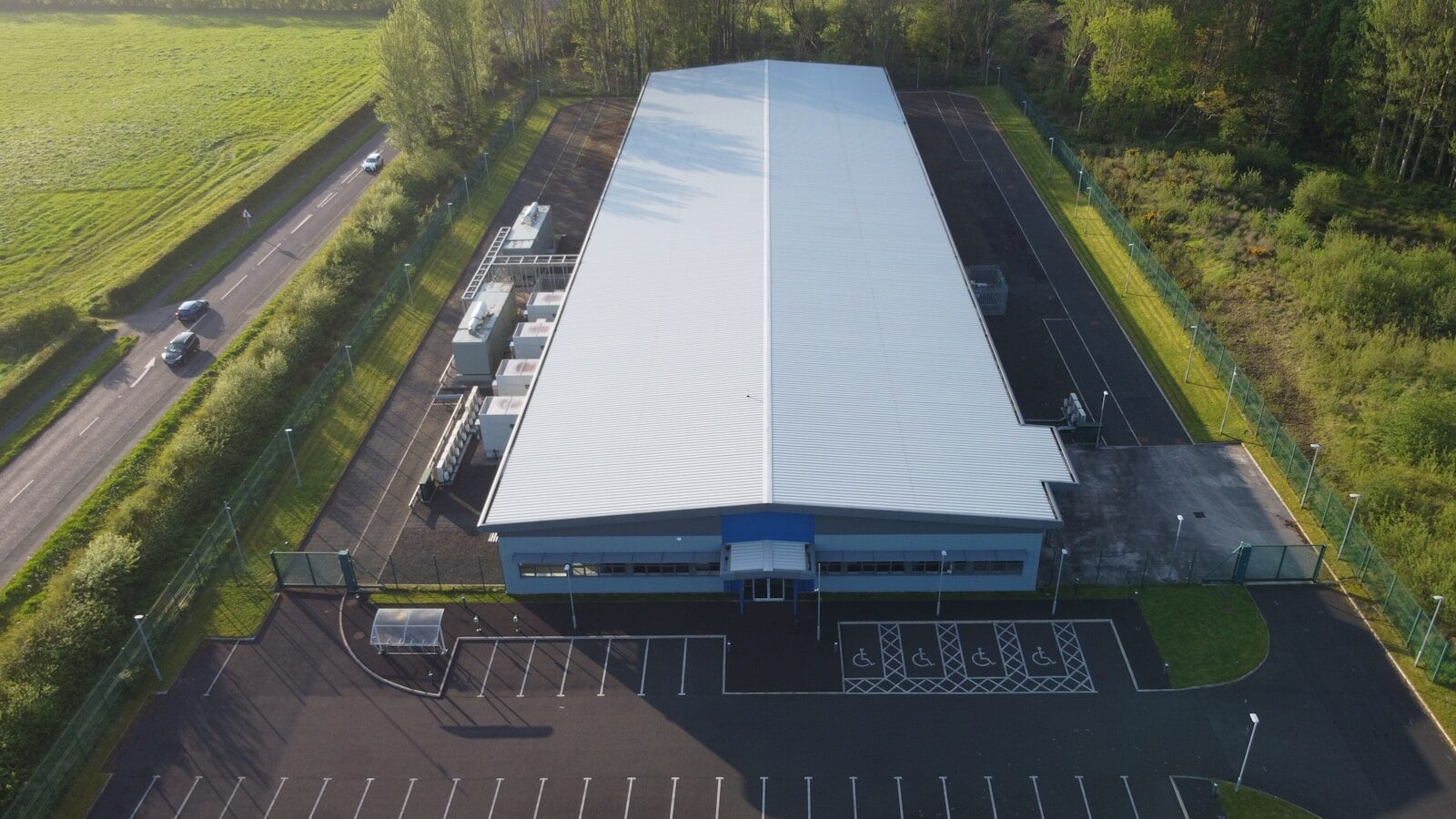
President Donald Trump said that communities refusing data centers would end up “backwards and poor.” He added, “If they want to be successful and rich, with far lower taxes and jobs all over the place, let Data Reign.” He argued that the US cannot win the AI race against China without expanding data centers, noting that China faces almost no restrictions on where these facilities can be built.
In the US, hundreds of data center projects have been blocked by local laws and ordinances. The Information reports that more than 500 data centers are currently blocked. HeatMap reports that 75% of Americans do not want data centers built near them.
The debate over data center growth falls into three main categories: the pollution they cause, their effects on national and local economies (including electricity costs), and the broader public interest, particularly given the rapid growth of AI in China.
Environmental Impact
Data centers pollute largely through their water use. A large center can consume as much as five million gallons of water a day. The Environmental and Energy Study Institute reports that this is equivalent to the water use of a town of 10,000 to 50,000 people. Water pollution occurs as part of the cooling process. According to Data Center Knowledge, chemicals can mix with water during evaporative cooling and escape the system as excess liquid drained after evaporation. This is one reason data center operators prefer sites near large bodies of water.
Economic Impact
The data center industry is poised for massive spending. According to Industrial Info Resources, data center developers and Big Tech firms plan to break ground on 2,913 data centers valued at approximately $2.4 trillion between 2026 and 2030. On the positive side, this investment is contributing significantly to US GDP growth. Several research firms and government studies attribute most of the country’s GDP growth over the last three quarters to AI research, AI hardware production, and AI data centers — suggesting the US economy could be in a slowdown without them.
Proponents also argue that building and operating these centers can add hundreds, if not thousands, of jobs to local economies. Brookings offers a more qualified view: data centers do create jobs, but wages in the surrounding areas typically don’t rise as a result, and Brookings notes that research on data center employment overall remains limited.
Supporters further argue that data centers expand the local tax base, both through direct revenue and income generated by their workforce. One notable exception: some local governments have offered tax incentives to attract data center companies, offsetting those gains.
Electricity Costs
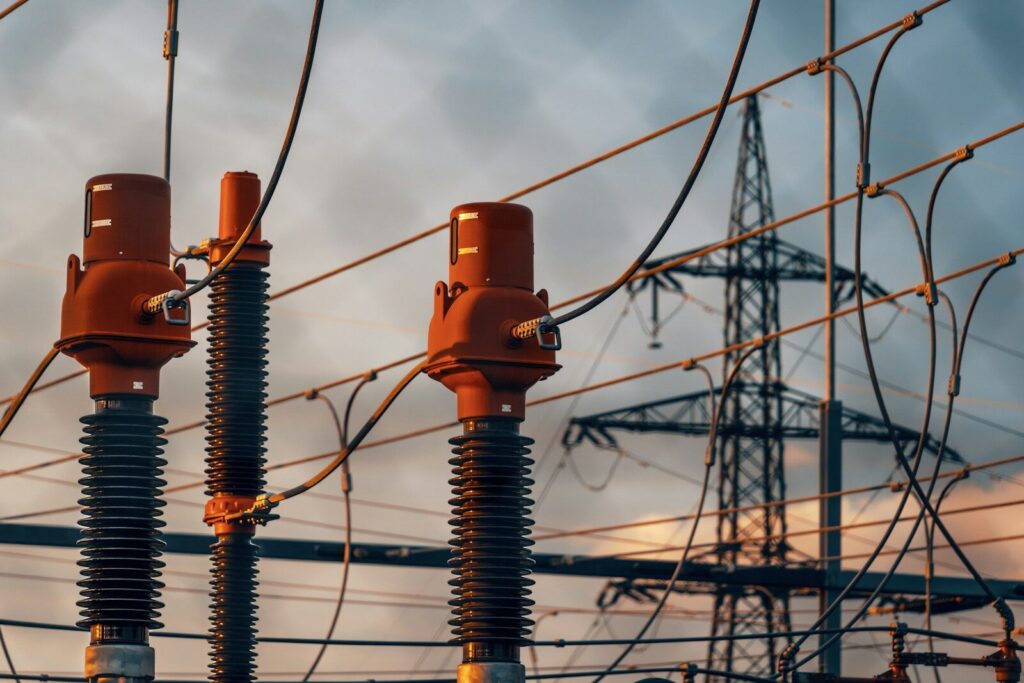
Among the biggest financial debates is the effect on local electricity rates. In places that already host data centers, the theory that residential electricity rates rise has held true — largely a matter of supply and demand. Nationally, electricity use was essentially flat from 1990 to 2020, according to the IEA, but has risen sharply since 2022 and is projected to grow by double digits through 2030. Locally, data centers competing for a finite electricity supply have, in many cases, driven up rates. This is also an environmental concern, since more than half of US electricity production still relies on fossil fuels.
National Security
Finally, there’s a national security dimension to the self-interest argument. The United States has long held the most sophisticated AI software in the world, but China has been closing the gap. While software development is one part of that competition, so is the ability to build data centers and supply them with electricity quickly. The long-term effects will shape both the economy and national security.
Where Data Centers Are Being Built
Most US data centers are concentrated in Virginia and Texas. ClimateCrisis247 analyzed operating, under-construction, and announced data centers by state to project which states will have the most by the end of the decade. One caveat: given growing local resistance to data centers in some areas, not all announced projects may ultimately be built.
This analysis draws on the sources above, as well as Axios, Aterio’s “Data Centers in the United States,” and Visual Capitalist.
| Rank | State | Operating Now | Under Construction | Announced | Total Projected |
|---|---|---|---|---|---|
| 1 | Texas | 212 | 140 | 610 | 962 |
| 2 | Virginia | 320 | 136 | 498 | 954 |
| 3 | Georgia | 62 | 56 | 340 | 458 |
| 4 | Pennsylvania | 37 | 11 | 209 | 257 |
| 5 | Arizona | 83 | 35 | 136 | 254 |
| 6 | Ohio | 101 | 51 | 98 | 250 |
| 7 | Illinois | 78 | 19 | 153 | 250 |
More from ClimateCrisis 247
- Due to Low Sales, These Are The EVs That Disappeared This Year
- Coldest Games in NFL History
- Climate Denial in America’s Fastest Warming Congressional Districts
- Congressional Candidates With the Strongest Environmental Records