The Price Of These Groceries Jumped Because Of Global Warming
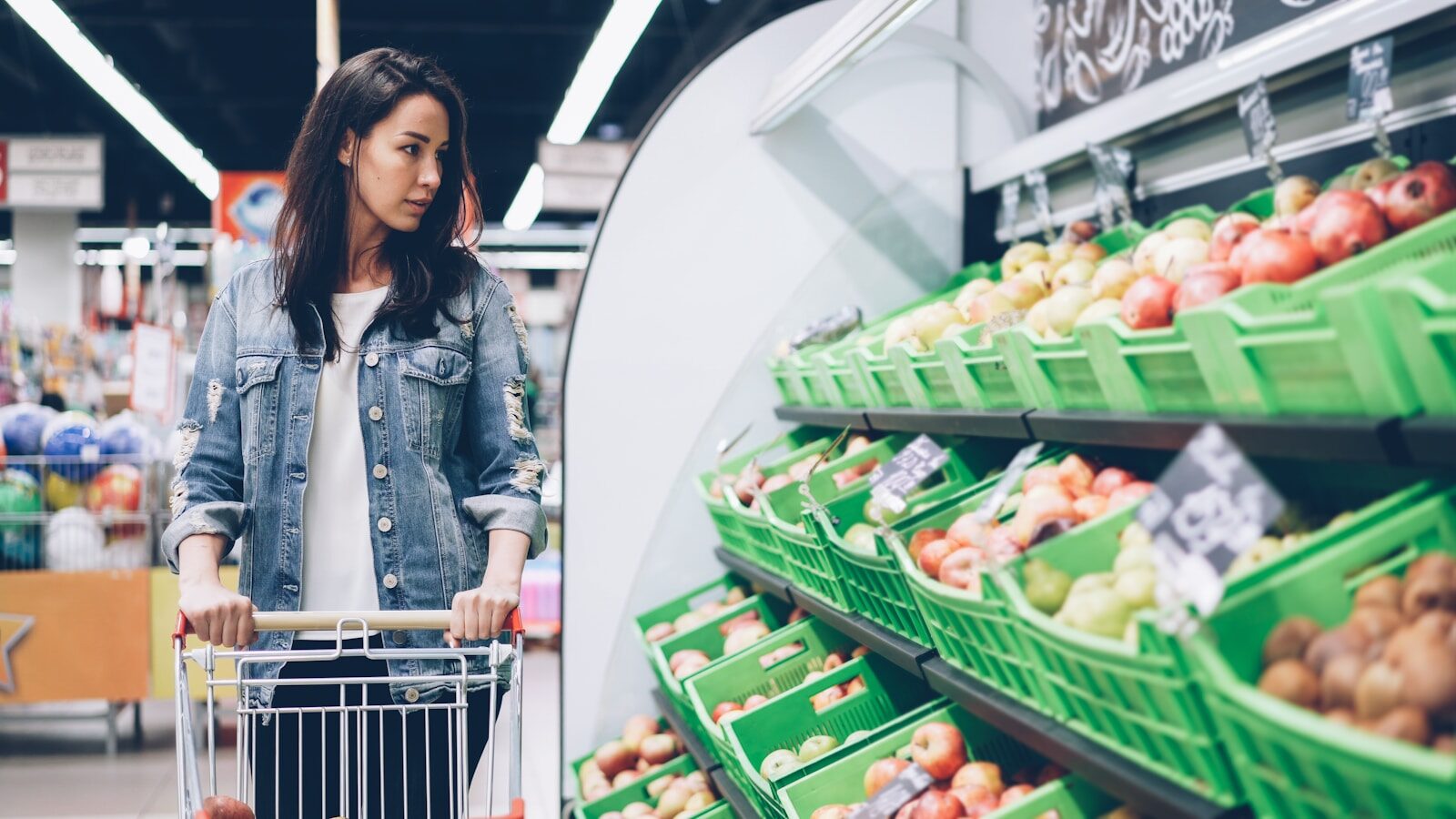
“Affordability” is at the top of most lists of American concerns as the midterms approach, just two months away. The ability to keep inflation low has already been hampered by high gas prices. Because of the blockade of the Strait of Hormuz, the average price of a gallon of regular gas nationwide is now over $4, near a multi-year high.
The other large variable cost in the Consumer Price Index is food. In June 2022, the CPI hit its highest level since November 1981, rising 9.1% year over year, with food costs playing a major role. Food prices have come down somewhat since then, but they remain a major reason the CPI has not dropped to the Federal Reserve’s 2% target. The most recent report, for July, showed overall prices rose 3.4% year over year, with continued food inflation contributing to that increase.
There are two primary ways to measure changes in food prices. The first is more exotic: a research paper titled “Global Warming and Heat Extremes to Enhance Inflationary Pressures” examined 27,000 consumer price indexes from around the world, incorporating data such as altitude and national income level and building a model to forecast future weather and temperature patterns. Despite its complexity, the study did not focus specifically on the US.
The second method looks at major food groups within the American grocery basket over the past three years—a period that covers the huge inflation spike of 2022. This approach isn’t ideal for comparing the price of one food to another, since price movements vary widely by timing. Chocolate prices, for instance, rose by double digits a year ago, while the sharp increase in beef prices is more recent.
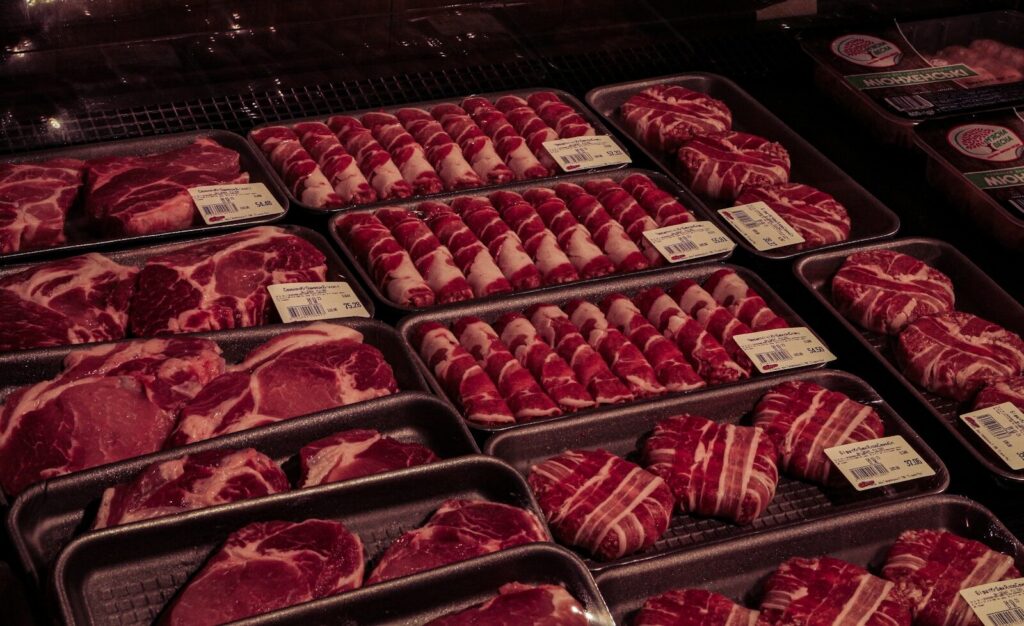
Beef prices are up between 10% and 15% this year, slightly higher than the USDA Economic Research Service’s forecast. In its “Food Price Outlook–2026,” USDA researchers wrote that beef and veal prices were expected to increase 9.8% in 2026. The cause is basic supply and demand: what the USDA calls “cattle inventory” reached its lowest level since 1951 this year. This stems from a chain reaction—severe drought in grain-producing states has sharply reduced the corn and wheat supply used as cattle feed. Nebraska, one of the largest producers of both crops, is experiencing its worst drought on record this year.
Brazil and Vietnam, the world’s two largest coffee-producing nations, have each suffered climate disasters in the past two years. The USDA recently reported that Brazil continues to experience erratic and unpredictable weather—drought, insufficient rainfall, and cold fronts that bring frost and hail to coffee farms in its main growing regions. Brazil supplies about a third of the coffee beans used in the US. Vietnam faces a similar situation, having been hit by drought and what Beverage Daily describes as “irregular rainfall.” As a result, the price of supermarket coffee has risen 47% over the past two years.
Côte d’Ivoire and Ghana, in West Africa, produce about half of the world’s cocoa beans, the key ingredient in chocolate. Depending on when confectioners purchased their beans, they paid either near-record highs or near-record lows over the past two years. Agricultural economist Tancrede Voituriez recently noted that climate change is taking a toll on countries in the tropical belt, where alternating periods of drought and heavy rainfall are causing production to drop. The situation later reversed: better weather brought better yields, but confectioners had already slowed their purchasing pace, and the resulting supply-demand imbalance drove cocoa prices down.
America’s orange industry was nearly ruined in 2024, when Hurricanes Milton and Helene repeatedly battered central Florida, each spawning several tornadoes. That year’s crop fell to its lowest level since 1932, and some orange growers nearly went out of business. Matters were made worse by Hurricane Ian, which struck the region the year before. As the AP reported, Florida’s already diminished orange production fell 62% in the 2022–2023 season after Hurricane Ian further damaged a crop already struggling with an invasive pest. Among all the food prices affected by climate change, the Florida orange collapse may be the clearest example, since the line from extreme weather to a shortage of a single food is so easy to trace.
Sources: USDA data, The Center For American Progress Climate Central, LifeGate, Environmental Research Letters, ScienceDirect, and Inside Climate News.
More from ClimateCrisis 247
- Fastest Warming Congressional Districts Where Politician is Funded by Fossil Fuel Industry
- America’s Best And Worst Cities To Own An EV
- Climate Change Is Increasing Simultaneous Exposure to Heat Waves and Wildfire Smoke
- Wildlife Populations Have Plunged Globally, But Some Buck the Trend