Due to Low Sales, These Are The EVs That Disappeared This Year

The US EV industry, which had seemed promising for most of the past five years, collapsed after the $7,500 tax credit for new EV purchases ended September 30. During that period, nearly every major automaker in the world entered the business, each chasing Elon Musk’s Tesla, which had set the standard for EVs in performance, sales, and brand recognition.
China quickly became the world’s largest EV market. At one point, it had 129 EV brands, but AlixPartners predicts only 15 will survive.
In the US, the world’s second-largest car market, many assumed it would be easier to compete for EV business because there was less local competition. Tesla was the only major independent EV maker, alongside legacy automakers GM and Ford. The consensus was that, if incentives stayed in place, half of all cars sold in America would be EVs by 2030. In anticipation, thousands of public charging stations were built across the country.
Tesla’s market share began to shrink. No other company ever exceeded 10% of the US EV market, but enough well-funded competitors entered that Tesla’s share fell to about 50%, where it bottomed out in 2024, according to Cox Automotive.
Then the entire market fell apart in a matter of months. In the first three quarters of this year, US EV sales dropped 30%.
We have compiled a list of this year’s major EV casualties. If sales do not pick up soon, it will grow longer in 2027. The list draws on reporting from InsideEVs, TechCrunch, Motor1, Electrek, The Wall Street Journal, Bloomberg, and other outlets, which in turn rely primarily on announcements by the companies themselves.
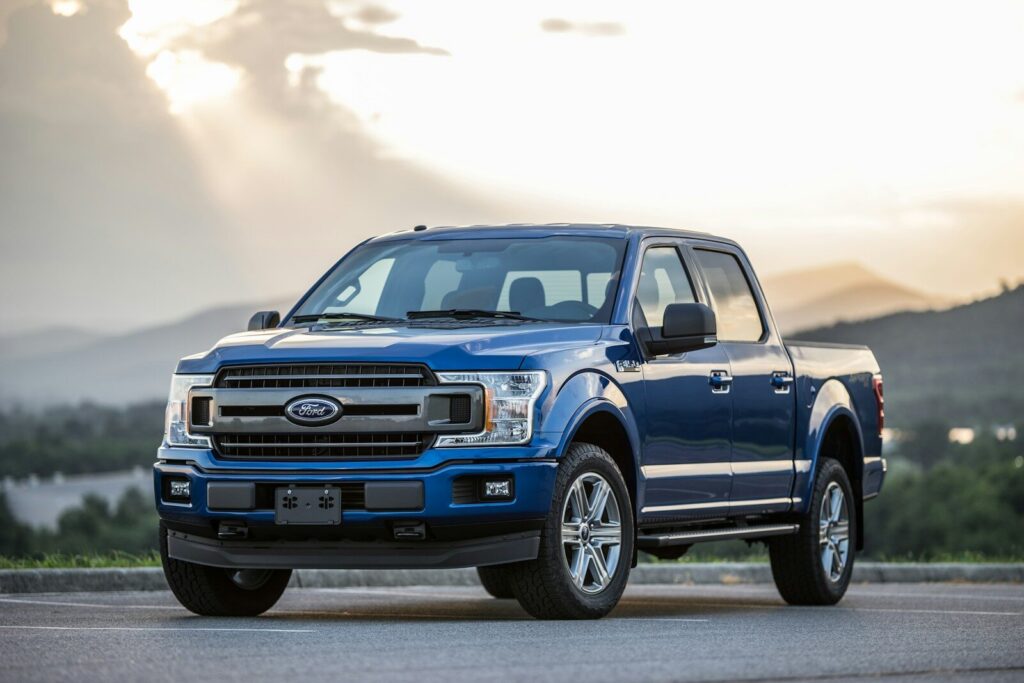
Ford F-150 Lightning: Production ended in December 2025. The Lightning was Ford’s EV flagship, based on its gas-powered F-150, the top-selling vehicle in the US.
Tesla Model S and Model X: Production ended in spring 2026. These were Tesla’s two oldest and most expensive vehicles. The plant where they were built will be retooled to build robotics products.
Volkswagen ID.4: Low US sales ended production. The plant where it was built will build the gas-powered Atlas instead.
Honda Prologue: Production will stop after the 2026 model year. Experts say poor sales followed the loss of the $7,500 tax credit.
Hyundai Ioniq 6: Unit sales fell from 2025 to 2026. Hyundai will keep the high-performance Ioniq 6 N.
Volvo EX30: Sold in the US for only one year. It will continue to be sold in some other markets.
Volvo EX40: Car and Driver reports it was dropped due to weak sales. The gas-powered XC40 will remain.
Kia Niro EV: Discontinued. Kia will replace it with more popular hybrids.
BMW iX: US sales are ending, though, like others on this list, it will continue in other markets.
Acura ZDX: Dropped in the US. It was built on a GM platform that is also used by Cadillac.
Genesis Electrified G80: Discontinued, with profit margins partly hurt by tariffs.
Polestar 3 and 4: According to MotorTrend, “Polestar is exiting the U.S. market starting with the 2027 model year after the U.S. Department of Commerce denied the brand authorization under the Connected Vehicle Rule.”
More from ClimateCrisis 247
- Coldest Games in NFL History
- Climate Denial in America’s Fastest Warming Congressional Districts
- Congressional Candidates With the Strongest Environmental Records
- Fastest Warming Congressional Districts Where Politician is Funded by Fossil Fuel Industry