
Oil CEO to Head Trump’s Energy Department; These States Have the Most Clean Energy Jobs at Risk
 https://climate-crisis-247-bucket.nyc3.cdn.digitaloceanspaces.com/wp-content/uploads/2024/11/08000347/414837-150x150.jpeg
On Saturday, President-elect Donald J. Trump announced Chris Wright, CEO of the Denver-based fracking company Liberty Energy, as his choice for secretary of energy. The appointment is the latest in a series of announcements signaling the incoming administration’s hostility toward Biden-era environmental regulations and green energy investments.
Whence the next pandemic? Cities Where the Next Pandemic Is Most Likely to Break Out
New border crisis? Climate Change Pushing Vampire Bats North Into Texas
The Department of Energy is a key player in the U.S. transition to renewable energy, directing research and providing funding for clean energy projects to state and local governments. While many states have significantly expanded their clean energy production since the passage of the Inflation Reduction Act in 2022, the future of the industry under Trump is highly uncertain. A look at recent employment data shows which states have the most clean energy jobs at risk.
To determine the states with the most clean energy jobs at risk, Climate Crisis 247 reviewed data on clean energy employment from the U.S. Department of Energy’s U.S. Energy & Employment Report 2024. States were ranked based on the number of clean jobs in the electric power generation, storage, energy efficiency, fuels, and motor vehicles sectors as a percentage of all jobs in the state. Supplemental data on employment by sector and employment in non-clean energy jobs are also from the DOE. Data on total employment is from the U.S. Bureau of Labor Statistics.
10. Utah
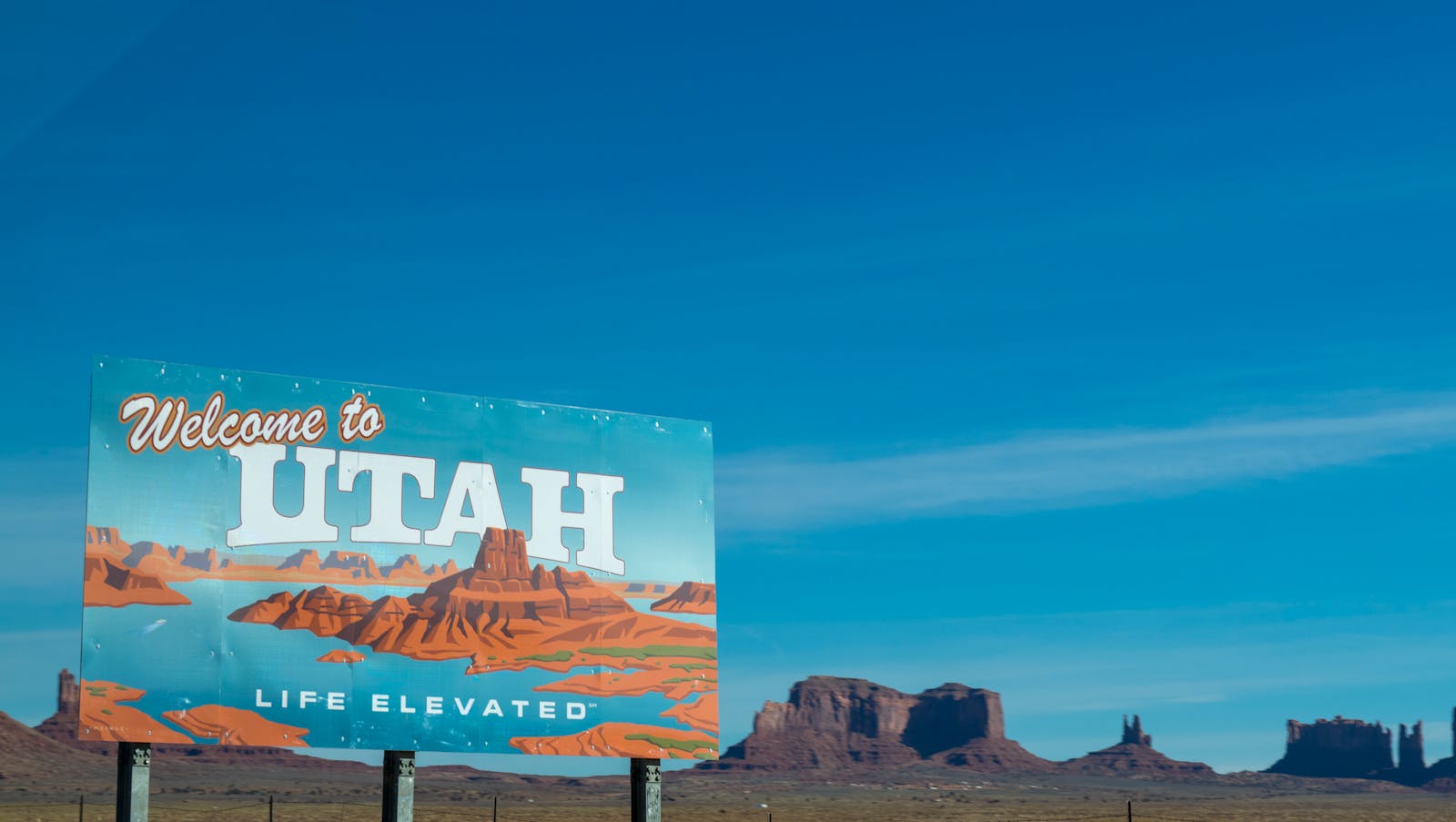
- Clean energy jobs: 45,893 (2.7% of total employment)
- All energy sector jobs: 91,676 (5.4% of total employment)
- Largest clean sector: Solar
9. Michigan

- Clean energy jobs: 122,092 (2.8% of total employment)
- All energy sector jobs: 401,720 (9.2% of total employment)
- Largest clean sector: Solar
8. Oregon

- Clean energy jobs: 59,237 (3.0% of total employment)
- All energy sector jobs: 95,972 (4.8% of total employment)
- Largest clean sector: Solar
7. South Dakota
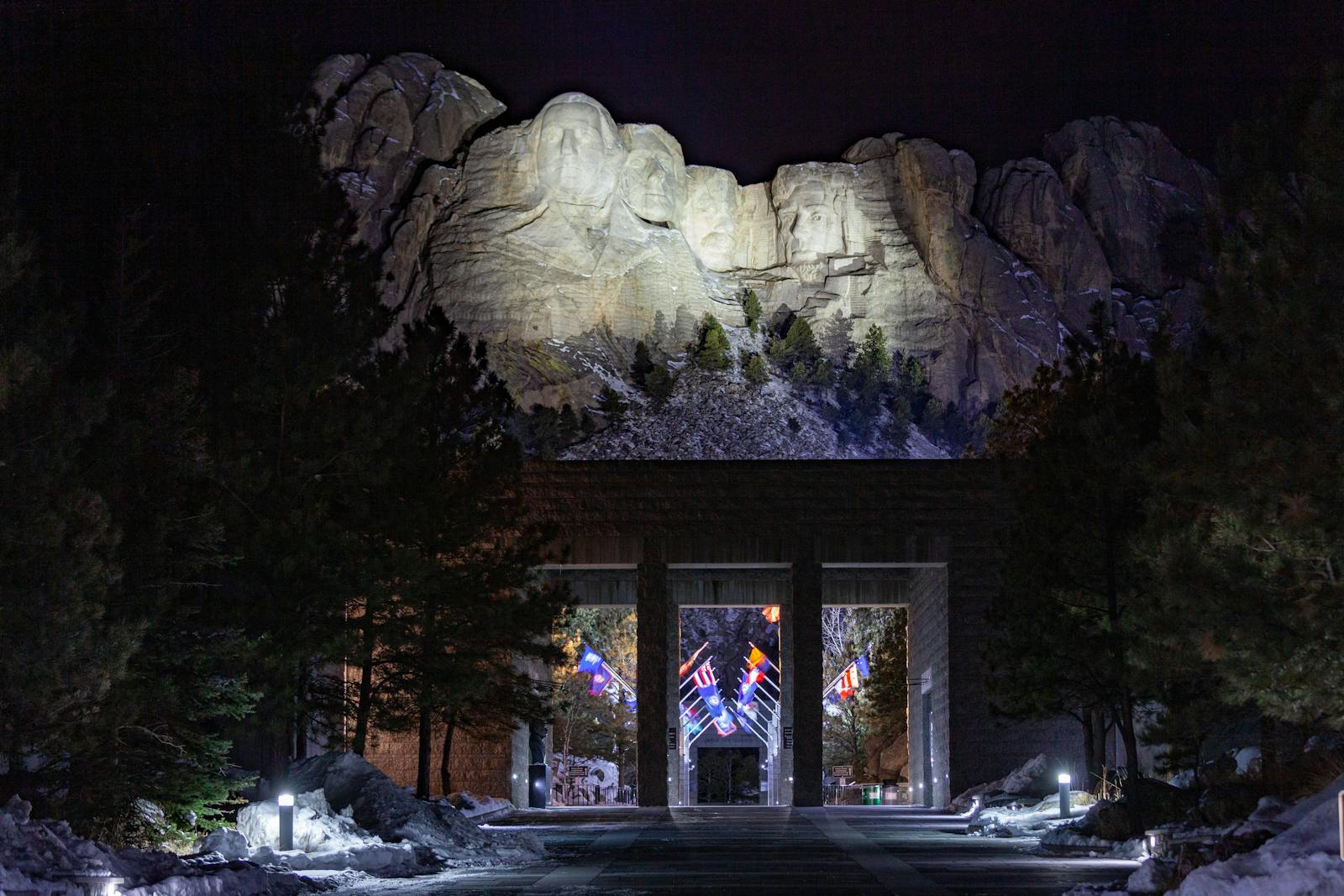
- Clean energy jobs: 13,567 (3.0% of total employment)
- All energy sector jobs: 29,339 (6.5% of total employment)
- Largest clean sector: Wind
6. California
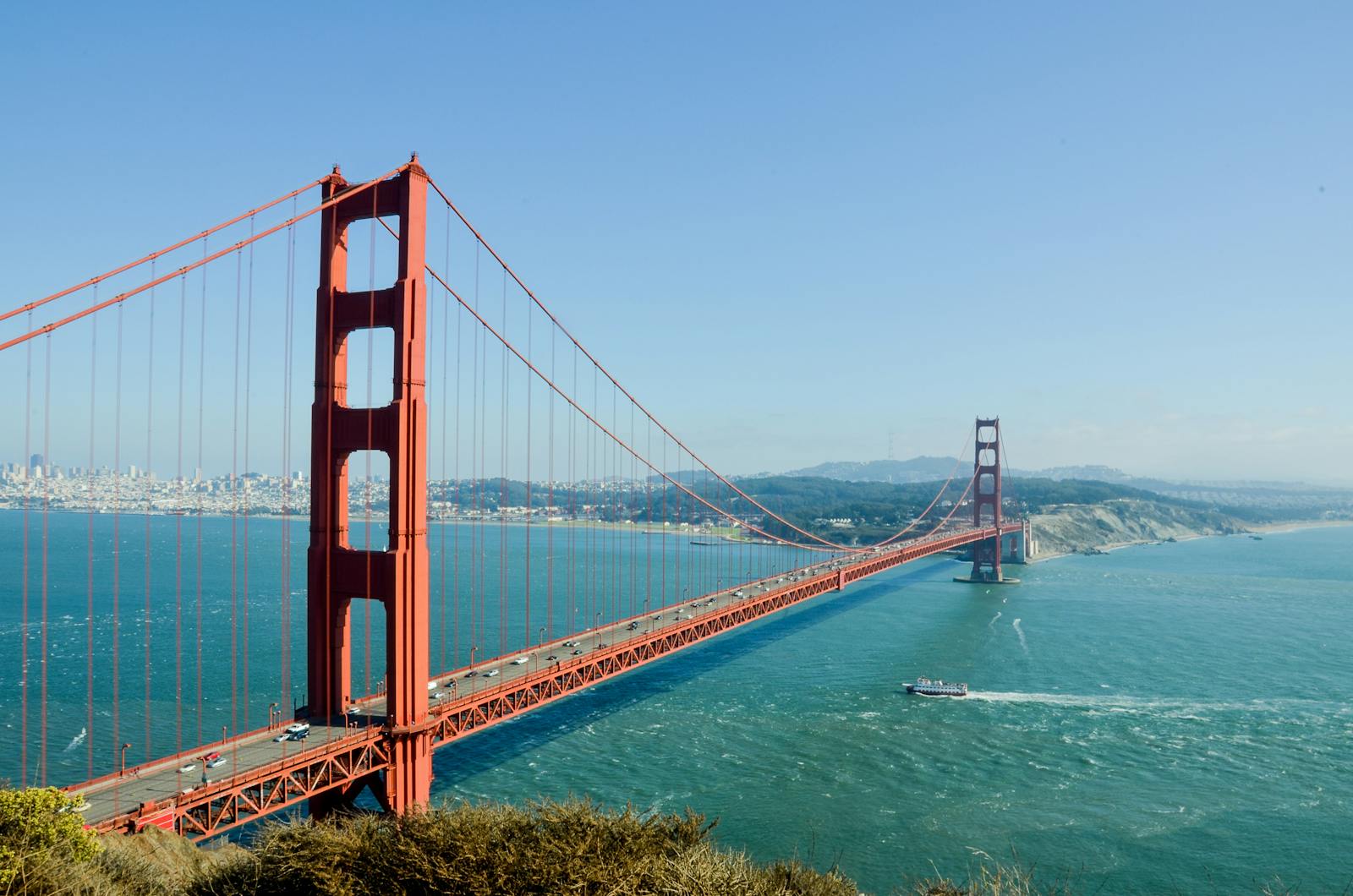
- Clean energy jobs: 545,207 (3.0% of total employment)
- All energy sector jobs: 932,273 (5.2% of total employment)
- Largest clean sector: Solar
5. Rhode Island

- Clean energy jobs: 14,933 (3.1% of total employment)
- All energy sector jobs: 23,217 (4.8% of total employment)
- Largest clean sector: Solar
4. Maryland
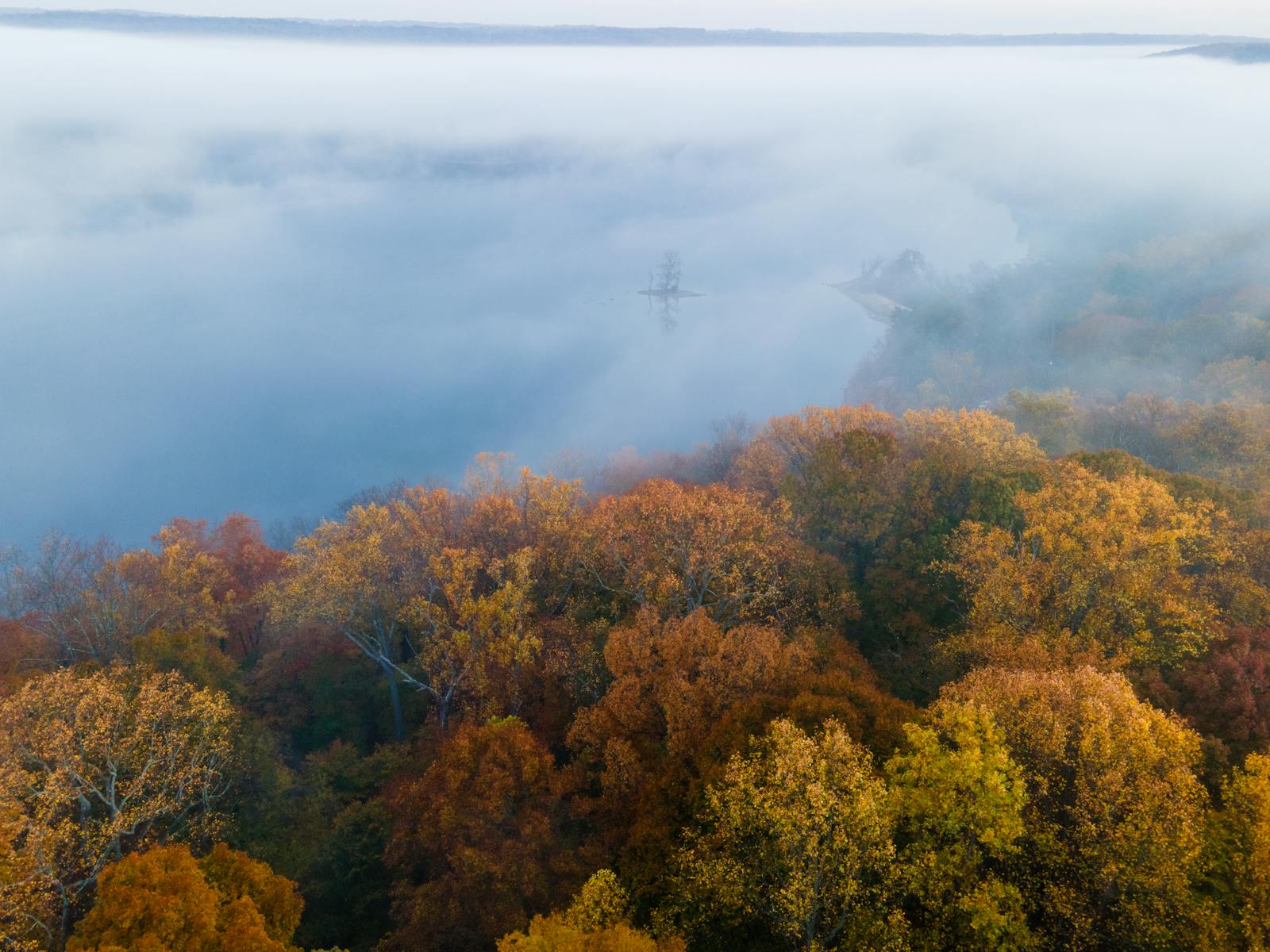
- Clean energy jobs: 82,926 (3.1% of total employment)
- All energy sector jobs: 127,479 (4.7% of total employment)
- Largest clean sector: Solar
3. Wyoming
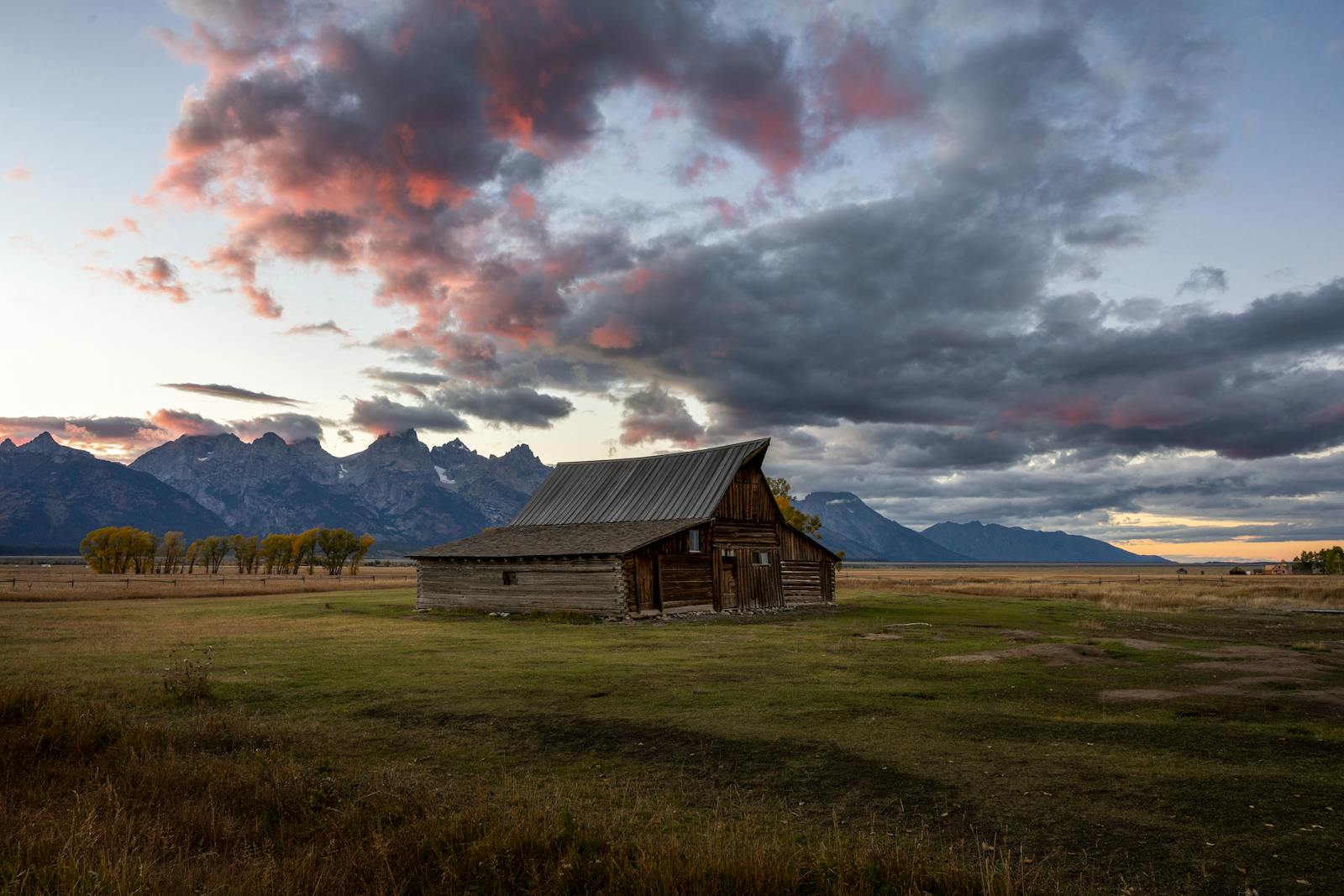
- Clean energy jobs: 8,559 (3.1% of total employment)
- All energy sector jobs: 46,618 (16.7% of total employment)
- Largest clean sector: Solar
2. Massachusetts
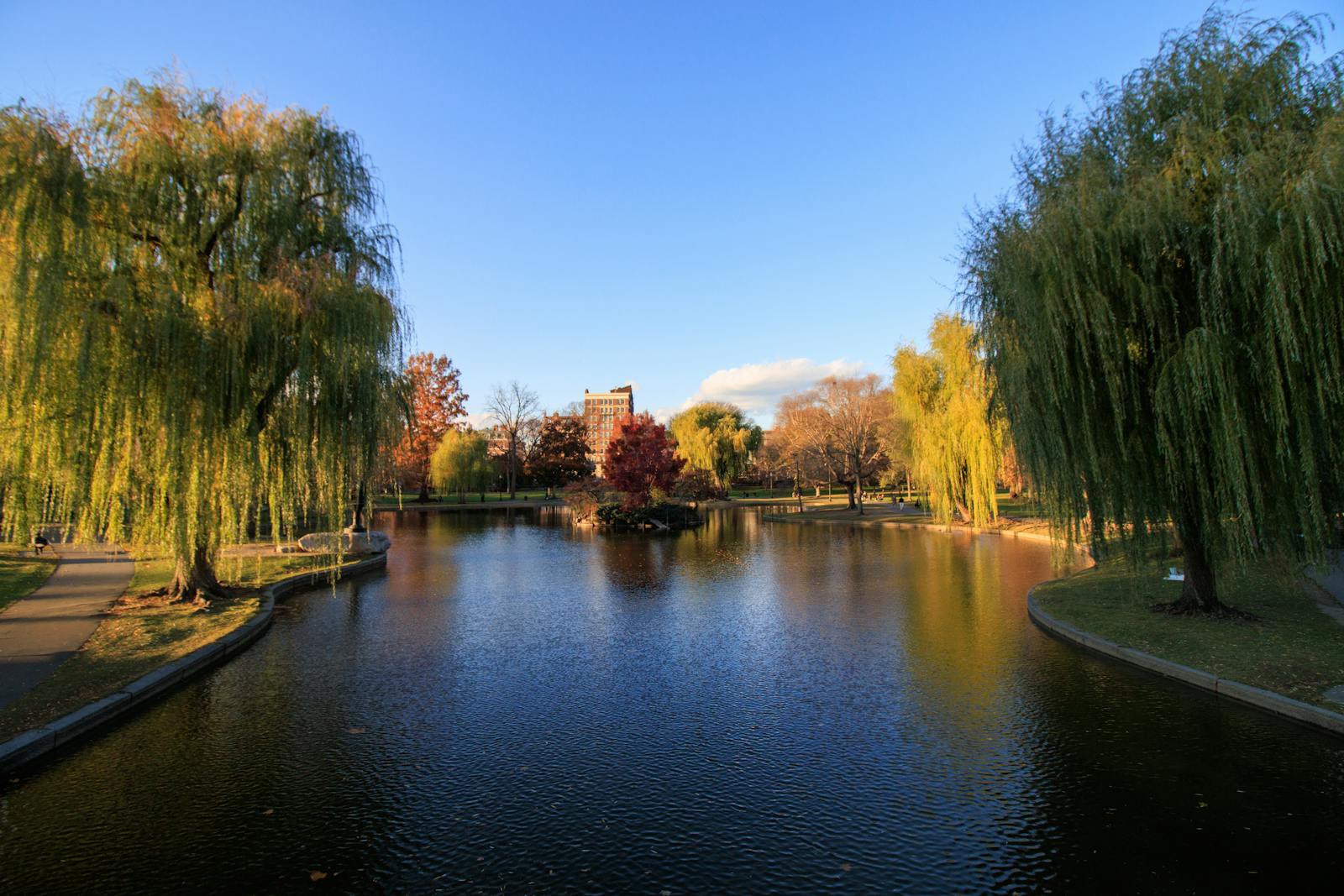
- Clean energy jobs: 126,417 (3.5% of total employment)
- All energy sector jobs: 174,946 (4.8% of total employment)
- Largest clean sector: Solar
1. Vermont
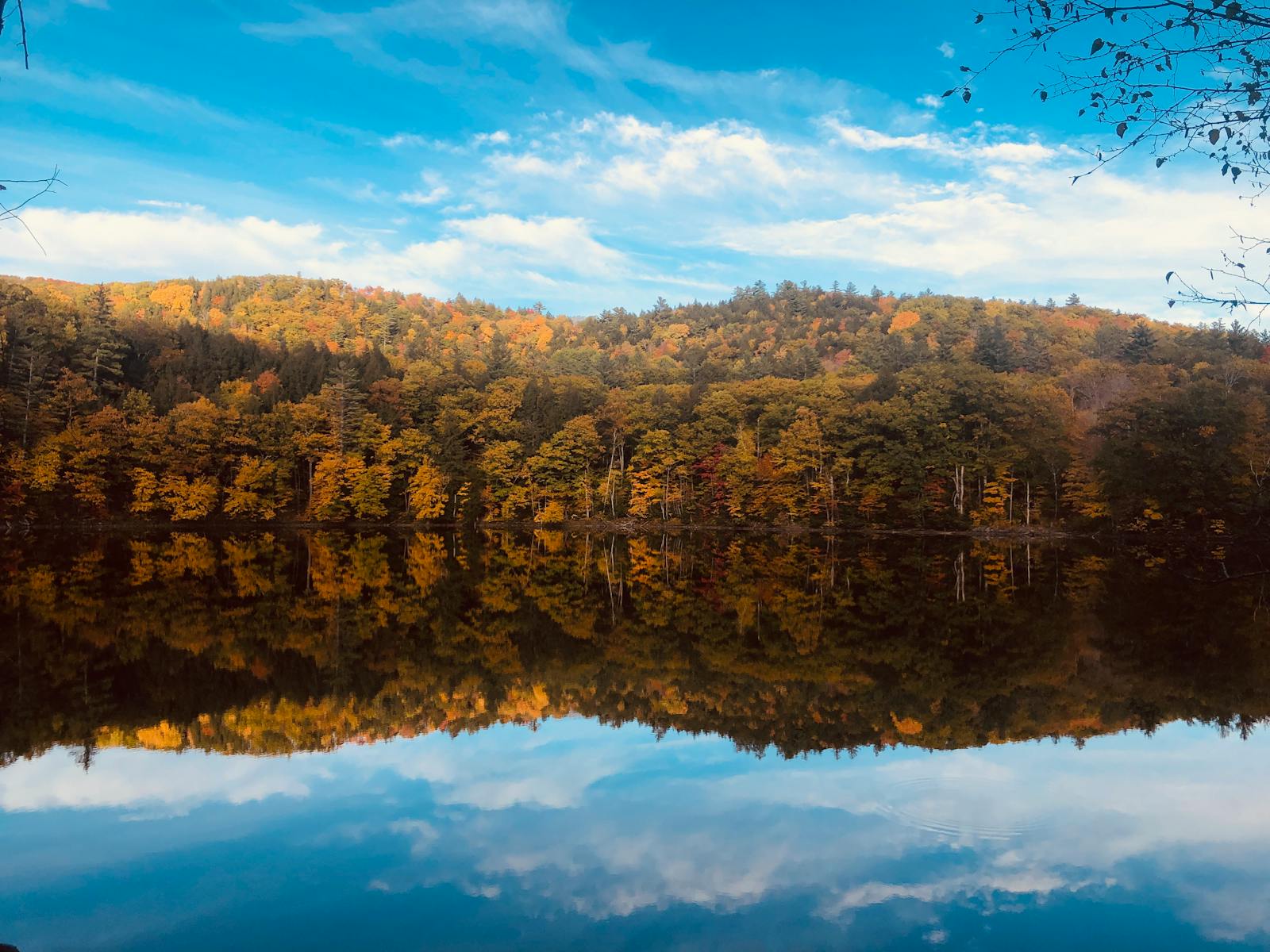
- Clean energy jobs: 16,251 (5.3% of total employment)
- All energy sector jobs: 21,976 (7.2% of total employment)
- Largest clean sector: Solar