
These Oil-Rich Nations Are Shaping the Global Climate Agenda
 https://climate-crisis-247-bucket.nyc3.cdn.digitaloceanspaces.com/wp-content/uploads/2024/11/08000245/87236-150x150.jpeg
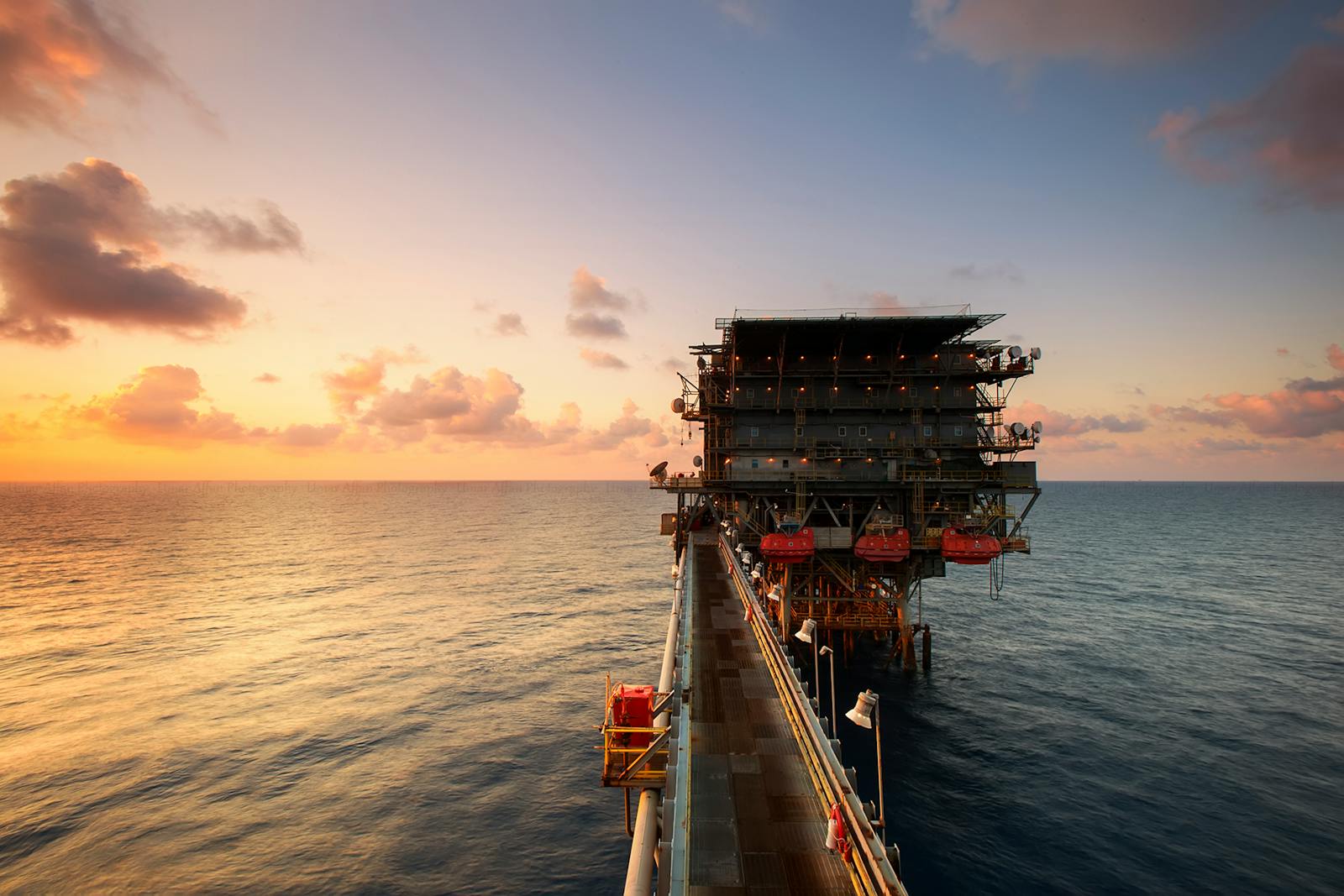
This year, more than 50,000 diplomats, environmental advocates, and other world stakeholders are gathered in Azerbaijan – one of the world’s largest producers of oil – to negotiate and set the climate priorities for planet Earth. While the first COP in 1995 was a relatively small gathering of mostly diplomats and NGO representatives, the climate summit has since grown to include thousands of lobbyists, many from the oil and gas sector.
Whence the next pandemic? Cities Where the Next Pandemic Is Most Likely to Break Out
New border crisis? Climate Change Pushing Vampire Bats North Into Texas
Over the last two decades, the major oil-producing states have sent an increasingly large number of delegates to the COP summit. The outsized influence of the fossil fuels industry in setting the global climate agenda has drawn criticism from activists and other observer groups. A closer look at historical attendance data reveals which petrostates are growing in COP influence the fastest.
To determine the petrostates gaining outsized influence at global climate talks, Climate Crisis 247 reviewed data on party size from the United Nations Framework Convention on Climate Change and historical data on COP attendance from the October 2024 paper “Individual attendance data for over 30 years of international climate change talks” published in Scientific Data. Countries where oil rents amount to at least 14% of national GDP were ranked based on the average annual percentage increase in COP party size from 1995 to 2024. While the UNFCCC has published both main party and party overflow attendee lists for all countries since COP 28, only main party attendees were considered in our analysis. Data on oil rents is from the World Bank and is for the most recent year available.
10. Iraq
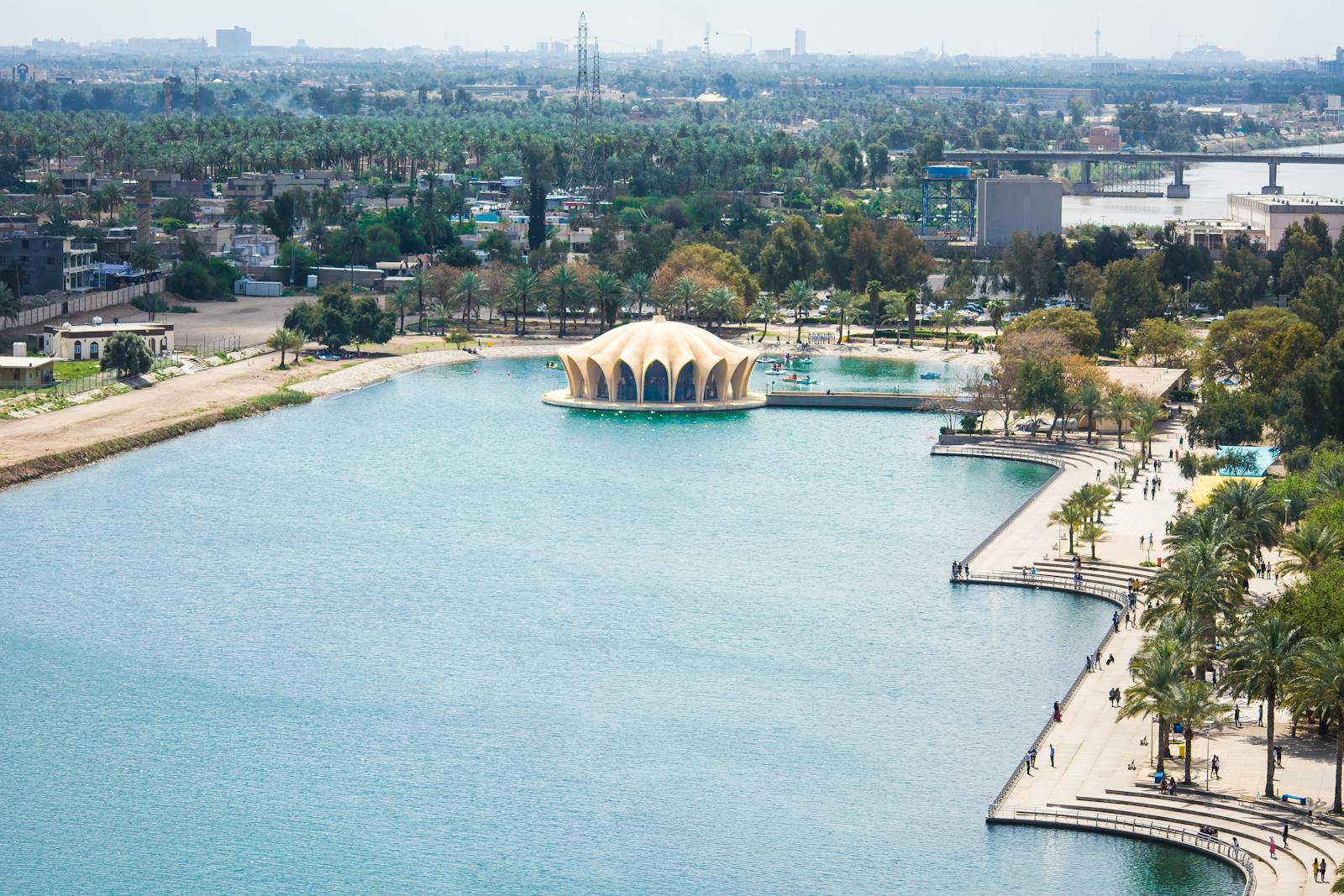
- Average annual increase in COP attendees, 1995 to 2024: +53.4%
- Total COP29 attendees: 226 (0.5 per 10,000 residents)
- Oil sector: 42.8% of GDP
9. Angola
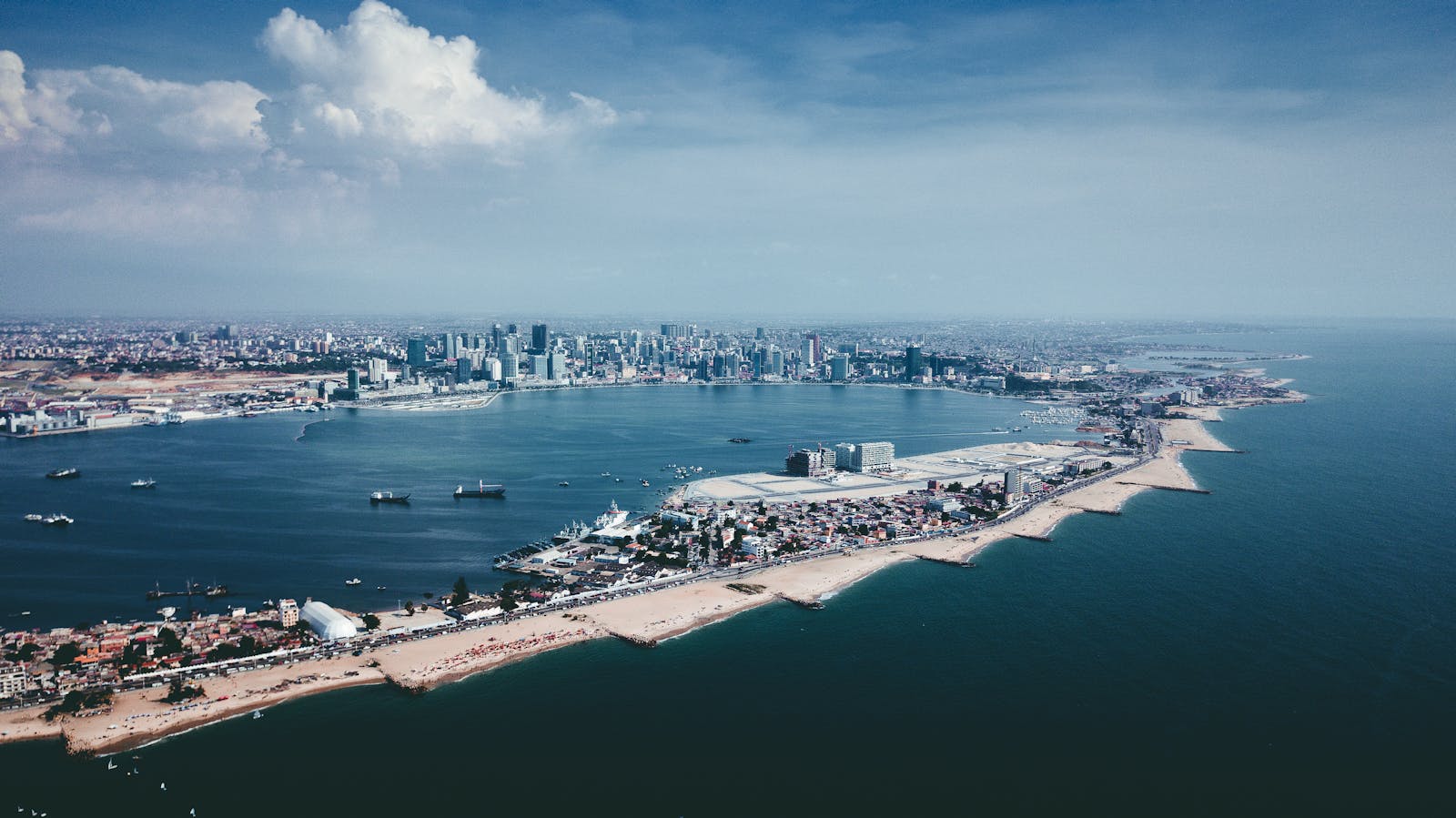
- Average annual increase in COP attendees, 1995 to 2024: +58.2%
- Total COP29 attendees: 153 (0.4 per 10,000 residents)
- Oil sector: 28.3% of GDP
8. Kazakhstan
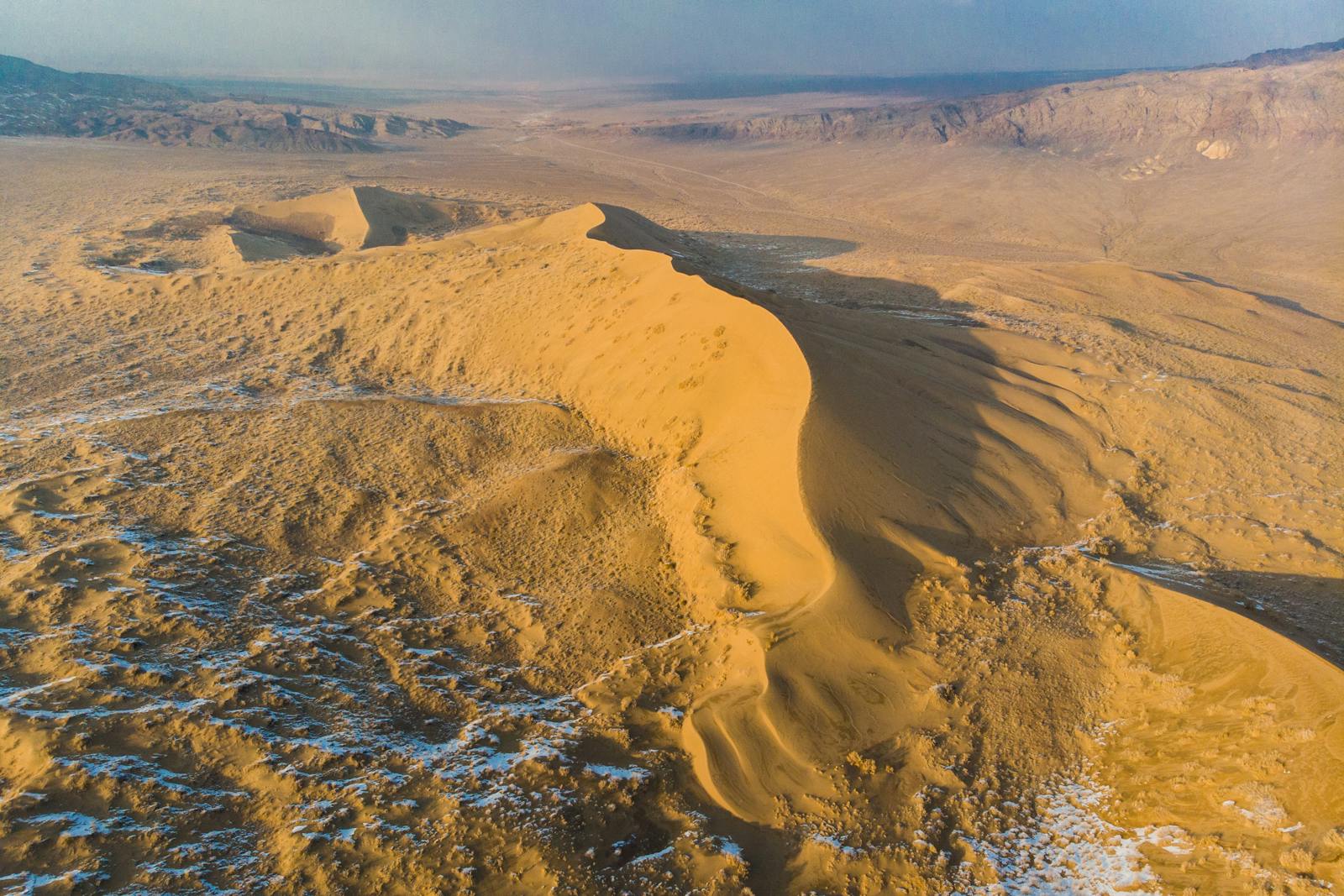
- Average annual increase in COP attendees, 1995 to 2024: +62.3%
- Total COP29 attendees: 178 (0.9 per 10,000 residents)
- Oil sector: 14.8% of GDP
7. Oman
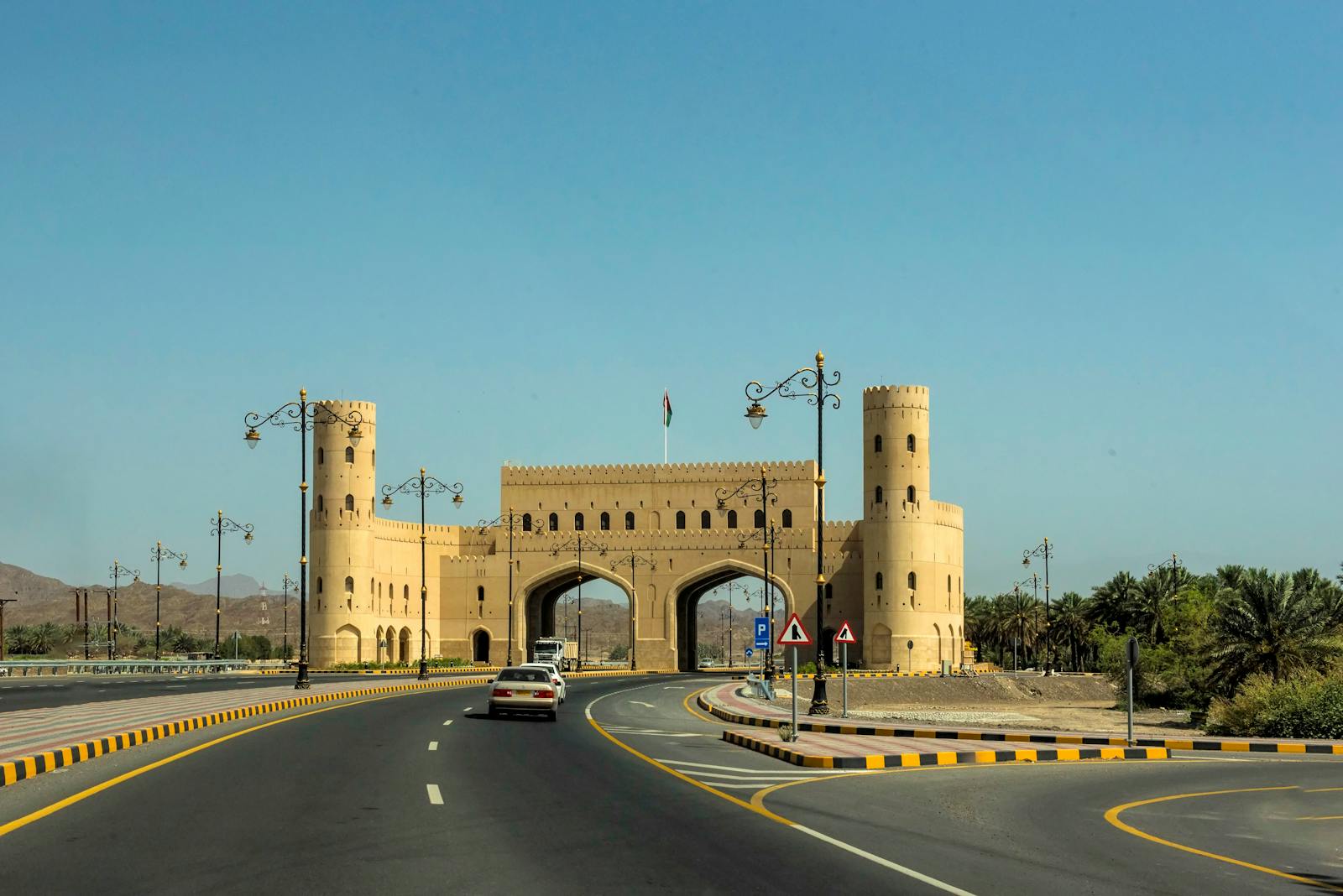
- Average annual increase in COP attendees, 1995 to 2024: +63.9%
- Total COP29 attendees: 199 (4.3 per 10,000 residents)
- Oil sector: 23.5% of GDP
6. Qatar
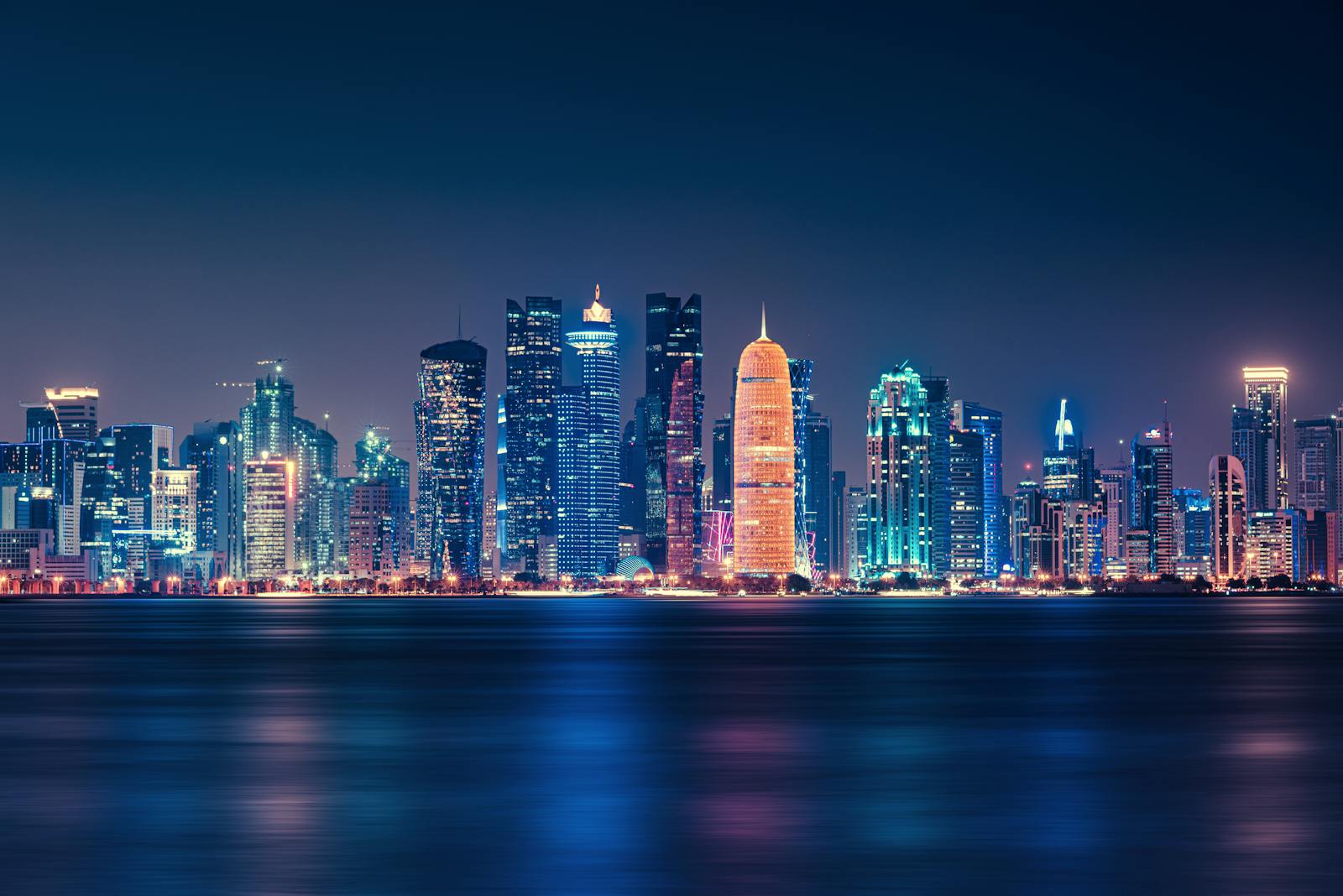
- Average annual increase in COP attendees, 1995 to 2024: +65.0%
- Total COP29 attendees: 113 (4.2 per 10,000 residents)
- Oil sector: 15.3% of GDP
5. Libya

- Average annual increase in COP attendees, 1995 to 2024: +68.9%
- Total COP29 attendees: 91 (1.3 per 10,000 residents)
- Oil sector: 56.4% of GDP
4. Chad
- Average annual increase in COP attendees, 1995 to 2024: +116.9%
- Total COP29 attendees: 126 (0.7 per 10,000 residents)
- Oil sector: 16.8% of GDP
3. Azerbaijan
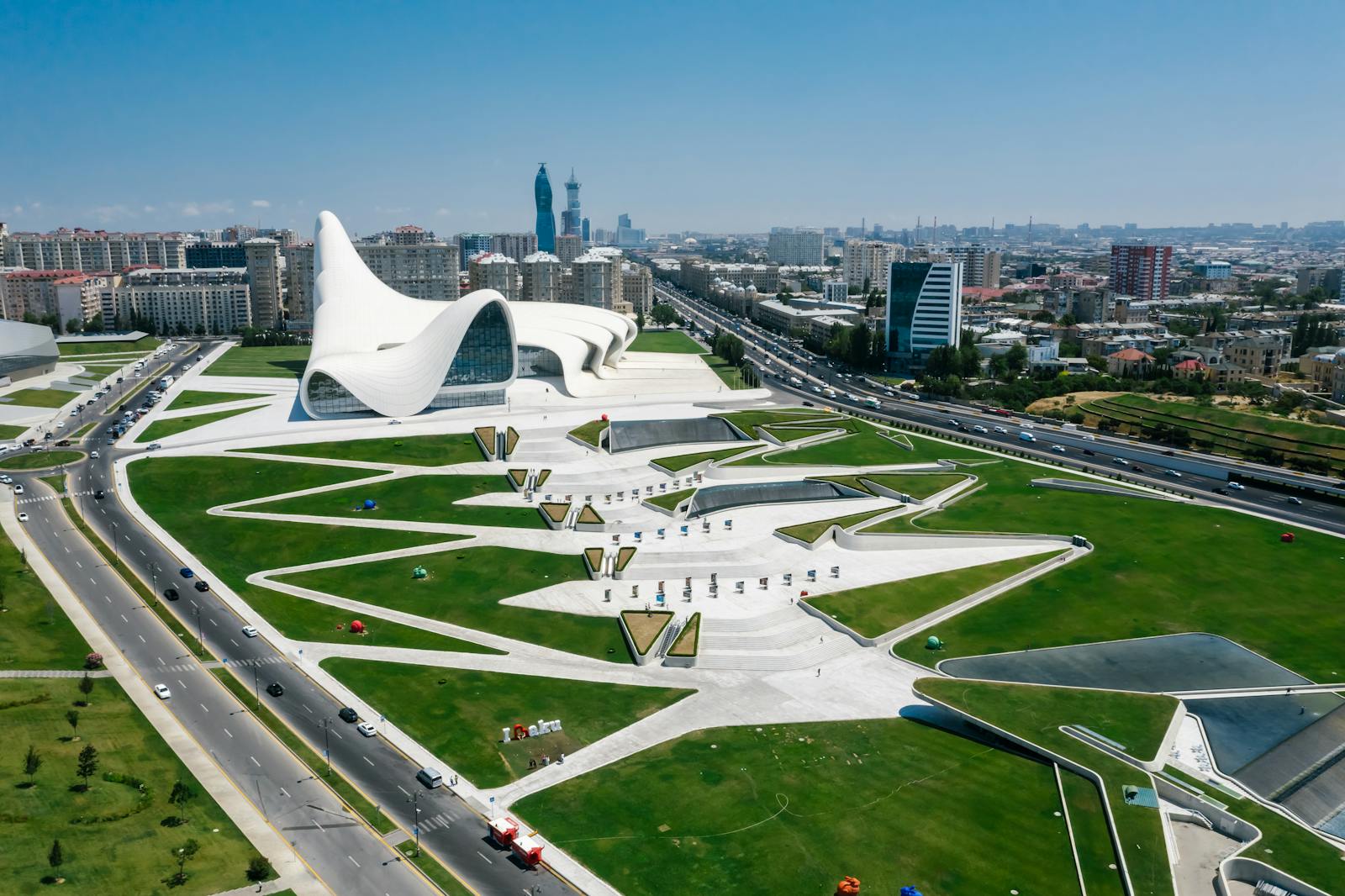
- Average annual increase in COP attendees, 1995 to 2024: +246.3%
- Total COP29 attendees: 995 (9.8 per 10,000 residents)
- Oil sector: 21.0% of GDP
2. Republic of the Congo
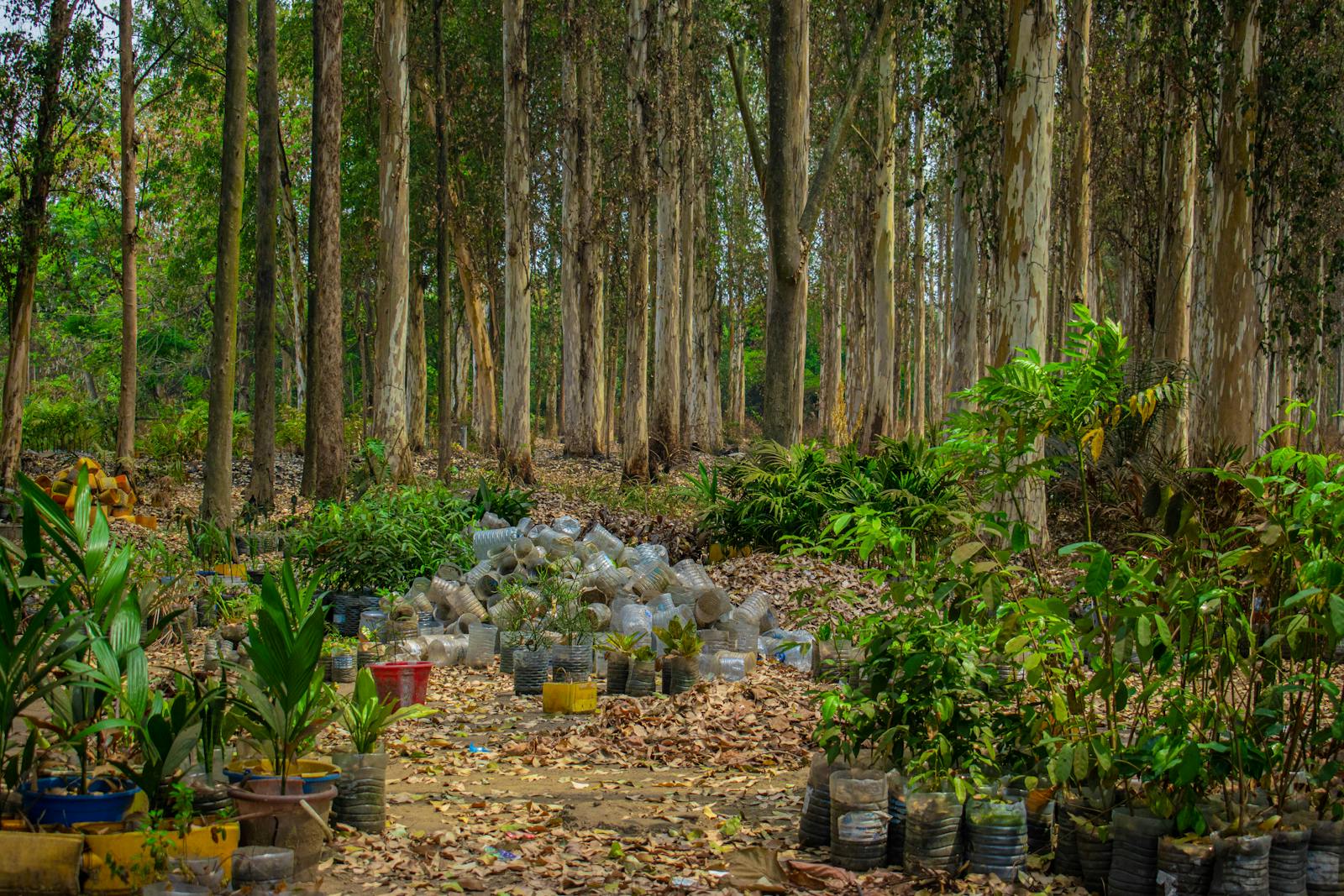
- Average annual increase in COP attendees, 1995 to 2024: +266.0%
- Total COP29 attendees: 199 (3.3 per 10,000 residents)
- Oil sector: 34.4% of GDP
1. Equatorial Guinea

- Average annual increase in COP attendees, 1995 to 2024: +363.1%
- Total COP29 attendees: 122 (7.1 per 10,000 residents)
- Oil sector: 14.9% of GDP