
Where Will Climate Change Hit The Economy The Hardest?
 https://climate-crisis-247-bucket.nyc3.cdn.digitaloceanspaces.com/wp-content/uploads/2024/10/08002619/2990650-150x150.jpg
Without a reduction in emissions, rising global temperatures will significantly alter the world economy. Heat stress will impact labor and agricultural productivity, tourism patterns will change, and reduced demand for heating will affect the price of oil and the value of the industries that produce it.
Going green? The 25 Best Cities For Sustainable Construction
Worst hurricane ever? How Helene And Milton Rank Among The Fastest Wind Speeds Ever Recorded
While cooler, diversified service-oriented economies like Luxembourg or Sweden may benefit from altered tourism channels, oil- and agriculture-based countries vulnerable to heat stress and natural disaster stand to suffer the most. In a recent analysis, Moody’s Analytics quantified the impacts a warming climate will have on 55 major world economies. By modeling factors like energy demand, agricultural productivity, and human health effects in a high-emissions scenario, Moody’s forecast the degree to which a warming world may boost or detract from GDP growth in different countries. A look at the countries where high emissions will have the greatest negative effect on GDP reveals a mix of oil producers, agricultural hubs, and small island nations where climate change will do the most economic damage.
To determine the global economies that will suffer the most from climate change, Climate Crisis 247 reviewed estimates on the impact of carbon emissions on national economic output from the Moody’s Analytics paper “The Economic Implications of Climate Change.” Countries were ranked based on the percentage difference in projected real GDP growth from 2022 to 2048 in a baseline scenario with normal emissions versus the projected real GDP growth from 2022 to 2048 in an RCP 8.5 scenario with high emissions. In this analysis, normal baseline emissions are observed emissions levels from 1986 to 2005, while the increased emissions scenario is the IPCC’s Representative Concentration Pathway 8.5, a projected climate future in which the net energy trapped in the Earth’s atmosphere due to greenhouse gasses reaches 8.5 watts per square meter by 2100 and the global mean temperature rises 4.1°C above the baseline – more than twice the 2°C target of the Paris Agreement. Supplemental data on population forecasts used to calculate projected population change is from the Census Bureau International Database.
25. Egypt

- Loss in real GDP due to high emissions, 2022 to 2048: -1.0%
- Projected population change, 2022 to 2048: +37.2%
- Total population, 2022: 107.8 million
24. Uruguay

- Loss in real GDP due to high emissions, 2022 to 2048: -1.0%
- Projected population change, 2022 to 2048: +4.4%
- Total population, 2022: 3.4 million
23. South Africa

- Loss in real GDP due to high emissions, 2022 to 2048: -1.0%
- Projected population change, 2022 to 2048: +23.2%
- Total population, 2022: 59.2 million
22. Israel

- Loss in real GDP due to high emissions, 2022 to 2048: -1.3%
- Projected population change, 2022 to 2048: +43.1%
- Total population, 2022: 9.1 million
21. Russia

- Loss in real GDP due to high emissions, 2022 to 2048: -1.4%
- Projected population change, 2022 to 2048: -11.2%
- Total population, 2022: 142.2 million
20. Lebanon

- Loss in real GDP due to high emissions, 2022 to 2048: -1.6%
- Projected population change, 2022 to 2048: +8.7%
- Total population, 2022: 5.3 million
19. Taiwan

- Loss in real GDP due to high emissions, 2022 to 2048: -1.9%
- Projected population change, 2022 to 2048: -5.1%
- Total population, 2022: 23.6 million
18. Jordan

- Loss in real GDP due to high emissions, 2022 to 2048: -2.2%
- Projected population change, 2022 to 2048: +40.3%
- Total population, 2022: 11.0 million
17. India

- Loss in real GDP due to high emissions, 2022 to 2048: -2.5%
- Projected population change, 2022 to 2048: +16.1%
- Total population, 2022: 1389.6 million
16. United Arab Emirates
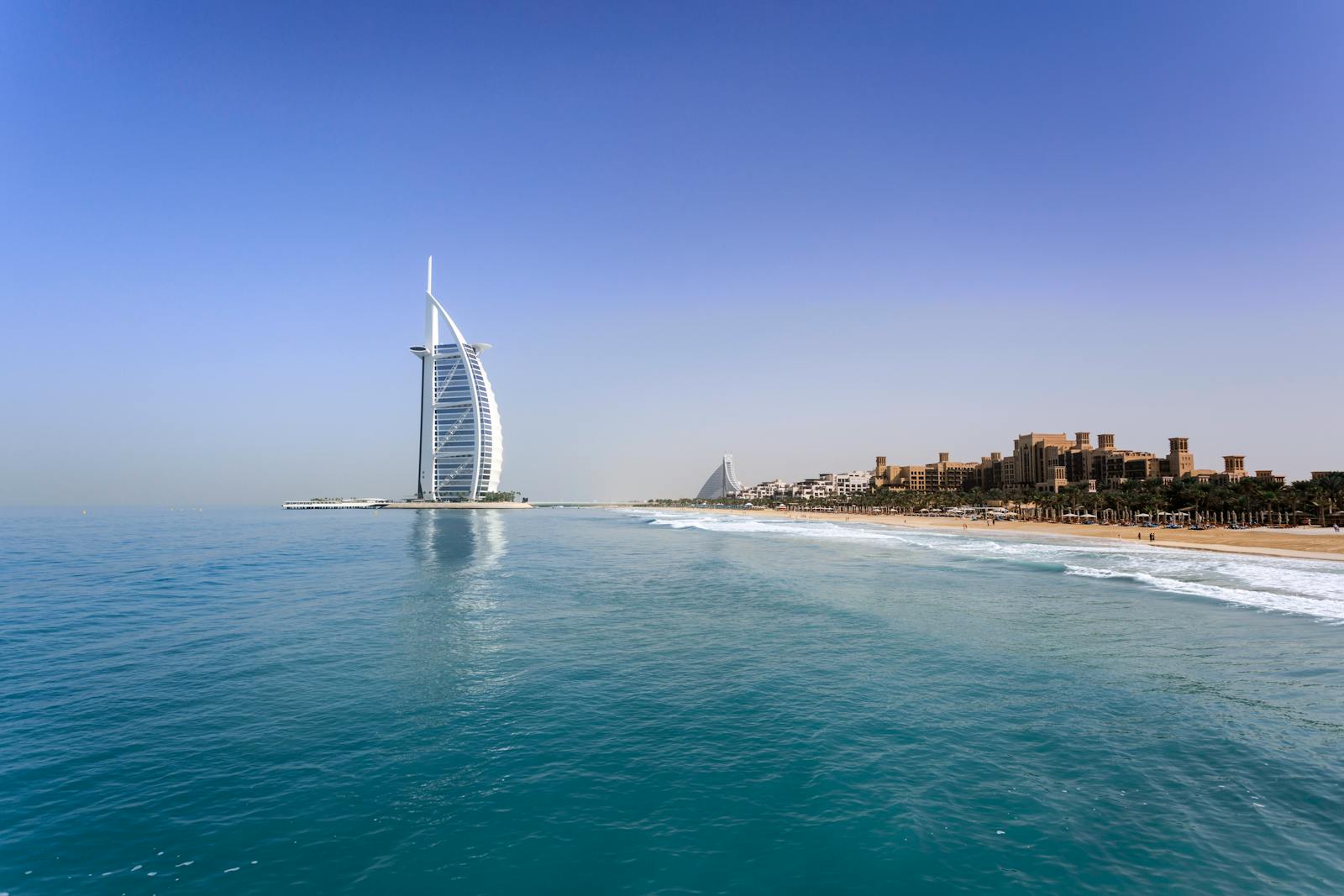
- Loss in real GDP due to high emissions, 2022 to 2048: -2.6%
- Projected population change, 2022 to 2048: +23.4%
- Total population, 2022: 9.9 million
15. Indonesia

- Loss in real GDP due to high emissions, 2022 to 2048: -2.6%
- Projected population change, 2022 to 2048: +14.3%
- Total population, 2022: 277.3 million
14. Cyprus

- Loss in real GDP due to high emissions, 2022 to 2048: -2.7%
- Projected population change, 2022 to 2048: +10.7%
- Total population, 2022: 1.3 million
13. Kuwait

- Loss in real GDP due to high emissions, 2022 to 2048: -2.7%
- Projected population change, 2022 to 2048: +25.5%
- Total population, 2022: 3.1 million
12. Nigeria
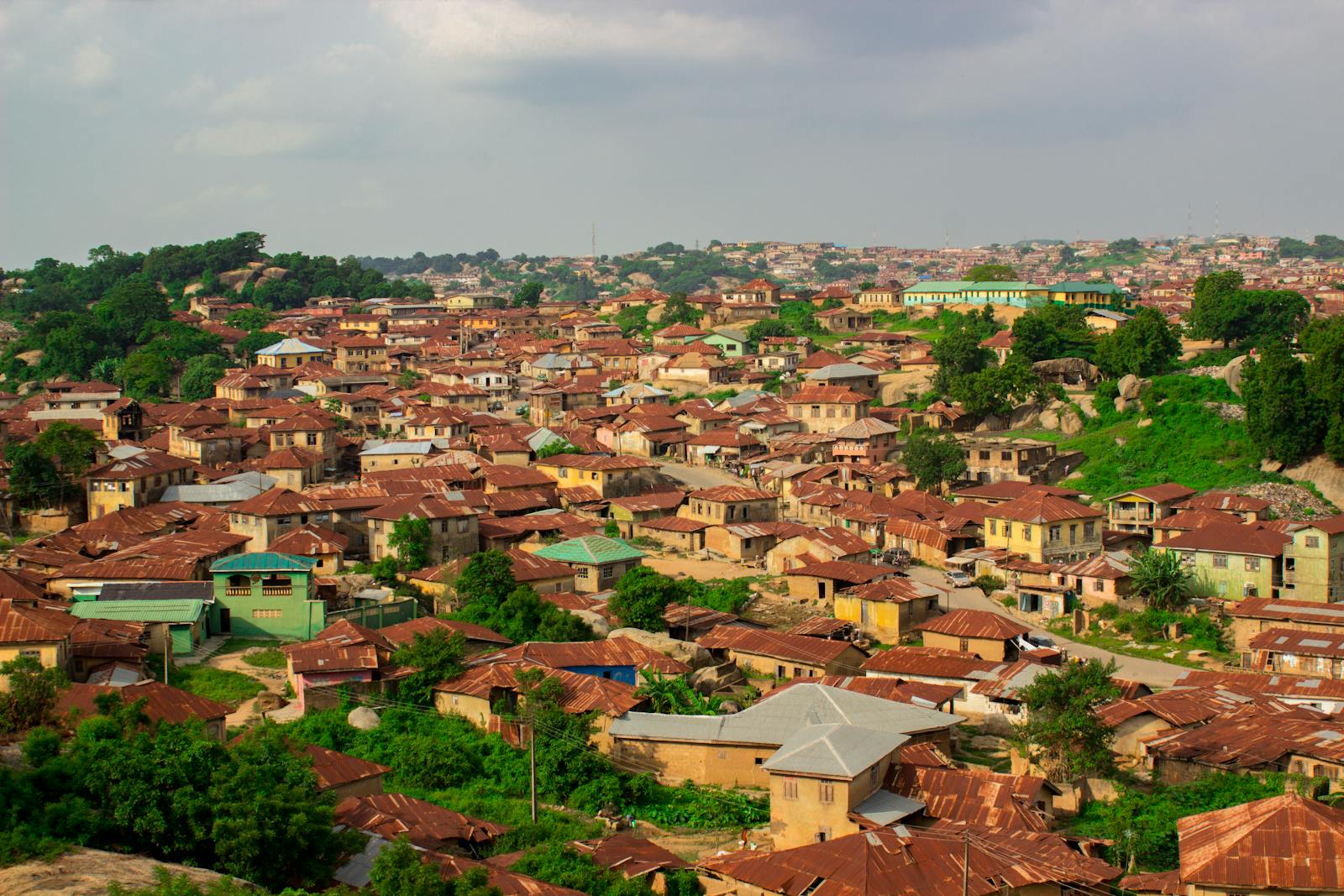
- Loss in real GDP due to high emissions, 2022 to 2048: -3.3%
- Projected population change, 2022 to 2048: +83.1%
- Total population, 2022: 225.1 million
11. Oman

- Loss in real GDP due to high emissions, 2022 to 2048: -3.6%
- Projected population change, 2022 to 2048: +41.2%
- Total population, 2022: 3.8 million
10. Qatar

- Loss in real GDP due to high emissions, 2022 to 2048: -3.8%
- Projected population change, 2022 to 2048: +2.8%
- Total population, 2022: 2.5 million
9. Thailand

- Loss in real GDP due to high emissions, 2022 to 2048: -3.9%
- Projected population change, 2022 to 2048: -3.2%
- Total population, 2022: 69.6 million
8. Singapore

- Loss in real GDP due to high emissions, 2022 to 2048: -4.2%
- Projected population change, 2022 to 2048: +16.9%
- Total population, 2022: 5.9 million
7. Bahrain

- Loss in real GDP due to high emissions, 2022 to 2048: -4.6%
- Projected population change, 2022 to 2048: +18.9%
- Total population, 2022: 1.5 million
6. Philippines

- Loss in real GDP due to high emissions, 2022 to 2048: -4.7%
- Projected population change, 2022 to 2048: +35.8%
- Total population, 2022: 114.6 million
5. Algeria

- Loss in real GDP due to high emissions, 2022 to 2048: -5.6%
- Projected population change, 2022 to 2048: +37.6%
- Total population, 2022: 45.5 million
4. Malaysia
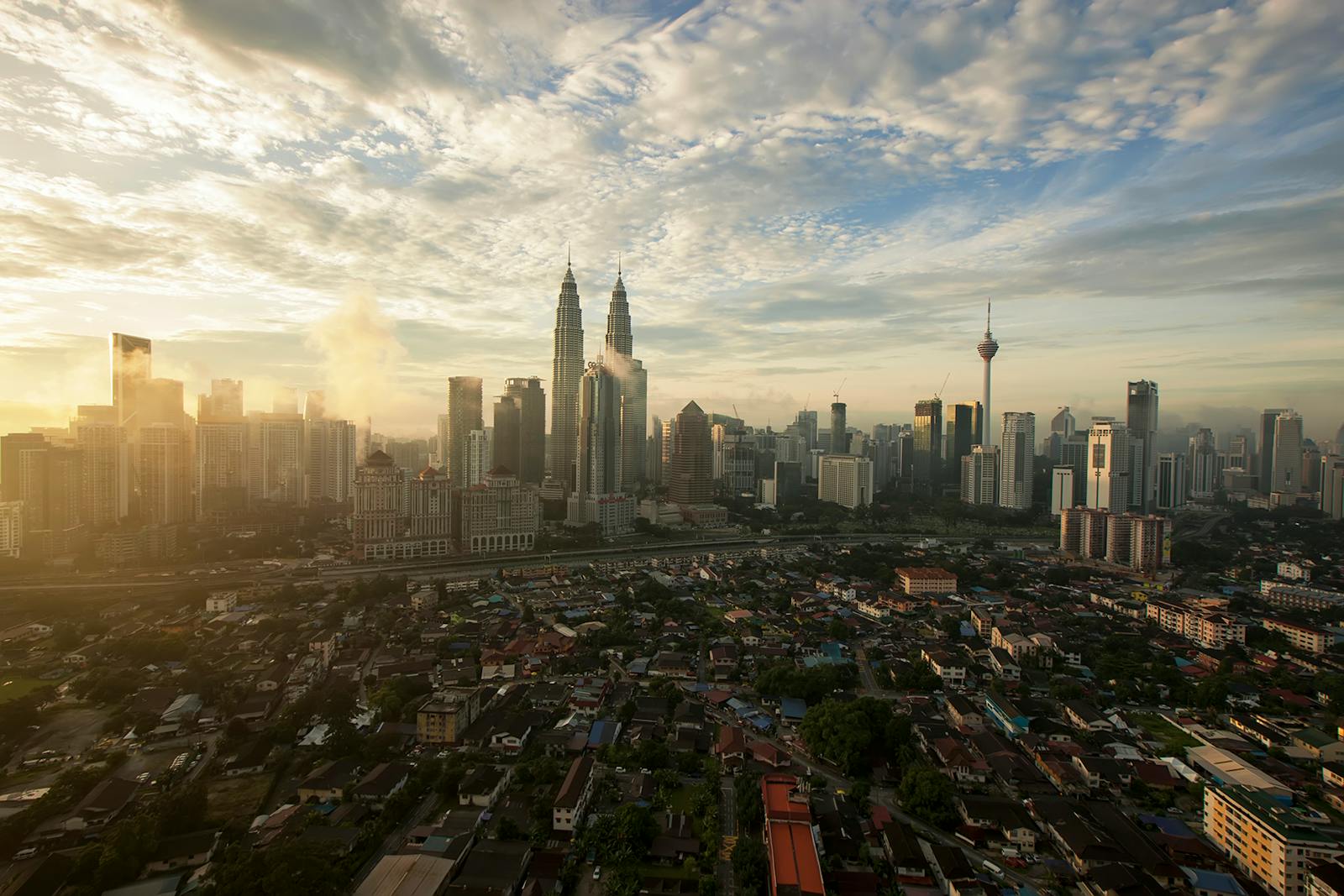
- Loss in real GDP due to high emissions, 2022 to 2048: -5.8%
- Projected population change, 2022 to 2048: +20.8%
- Total population, 2022: 33.9 million
3. Malta

- Loss in real GDP due to high emissions, 2022 to 2048: -6.1%
- Projected population change, 2022 to 2048: +5.4%
- Total population, 2022: 464,186
2. Hong Kong

- Loss in real GDP due to high emissions, 2022 to 2048: -6.4%
- Projected population change, 2022 to 2048: -4.4%
- Total population, 2022: 7.3 million
1. Saudi Arabia

- Loss in real GDP due to high emissions, 2022 to 2048: -10.9%
- Projected population change, 2022 to 2048: +34.2%
- Total population, 2022: 35.4 million