American Lakes Losing The Most Water due to drought and human use
These are the 10 US lakes that have lost the most water. The measurements are based on GRACE/GRACE-FO satellite data, USGS/Landsat monitoring, and USBR reports for long-term net storage declines, averaged from 2002 to 2024.
For most of these lakes, drought in the southern United States—particularly in the Southwest—is a major cause. Parts of these areas are experiencing the worst drought in several centuries. In other cases, overuse for agriculture and large cities is the primary trigger. California agriculture alone uses a staggering amount of water, averaging 8.2 trillion gallons annually. Phoenix uses about 750 million gallons each year.
One way to understand this problem is to recognize that these lakes and reservoirs are located in drought-plagued areas. This pattern is clearly visible on the well-regarded US Drought Monitor, which currently shows vast drought zones stretching from South and Southwest Texas through Southern Arizona and New Mexico, then north through Colorado and into Wyoming, Idaho, and Washington State.
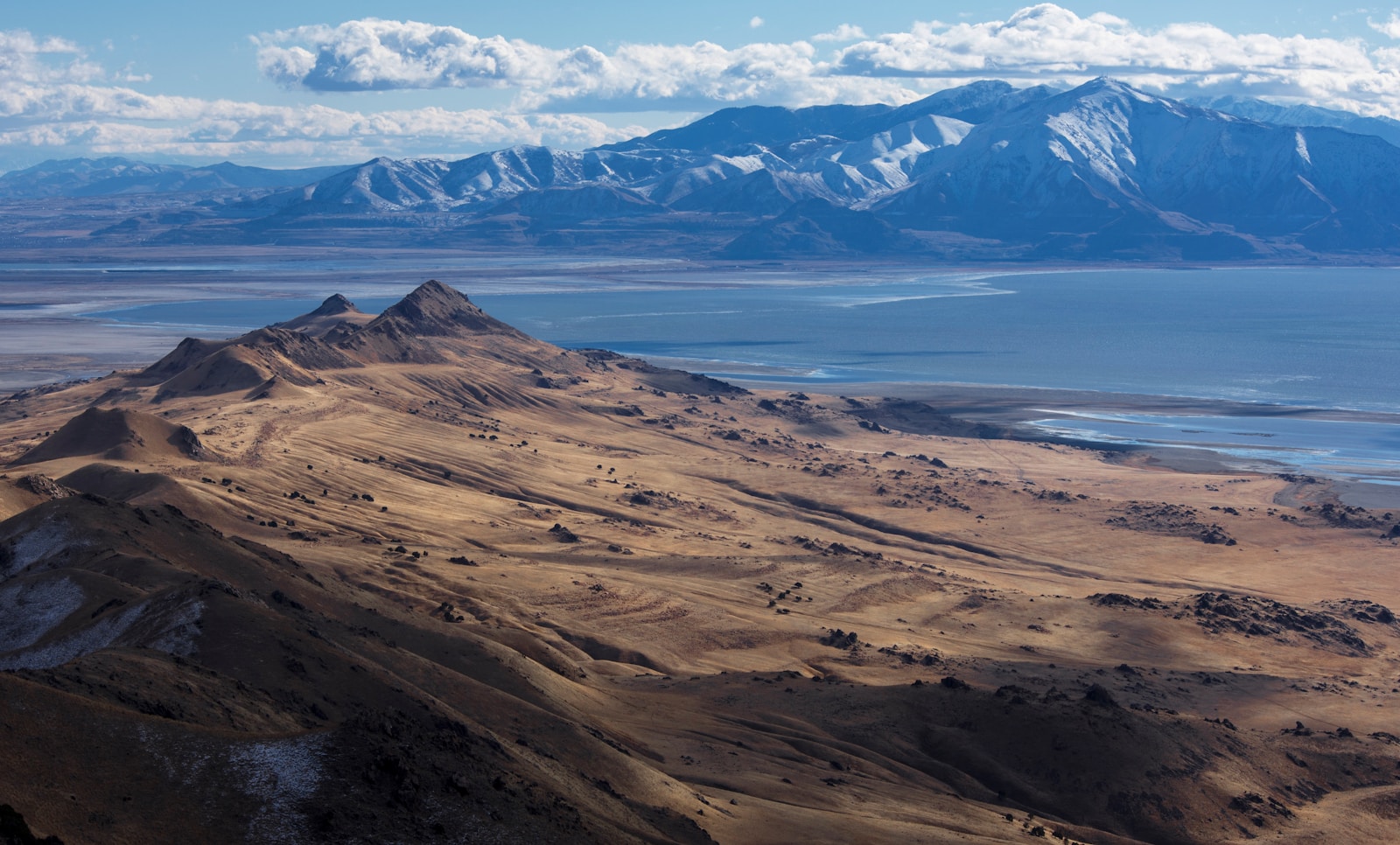
Another way to assess the drop in lake levels is to examine rainfall in adjacent areas. The desert regions around the Great Salt Lake receive only about eight inches of rain per year. Areas surrounding Lake Mead get as little as five inches annually, while the region around Lake Powell receives about 12 inches per year.
The rate at which some of these lakes are shrinking shows no signs of slowing. Two years ago, Brigham Young University issued a report warning that the Great Salt Lake could disappear within five years. Great Salt Lake is facing unprecedented danger. “Without a dramatic increase in water flow to the lake in 2023 and 2024, its disappearance could cause immense damage to Utah’s public health, environment, and economy,” the report says.
The water sources for these lakes compound the problem. For example, Lake Powell receives most of its water from the Colorado River, whose level is falling rapidly due to human overuse.
While some of these lakes are gaining water temporarily, Climate Central forecasts that drought in the Western US will worsen over time. The organization reports that “because atmospheric thirst increases exponentially with warming, the potential for droughts in the western U.S. to grow longer, larger, and more severe also increases considerably with every bit of additional warming.”
Taken as a whole, it appears almost certain that America’s large shrinking lakes will continue to diminish.
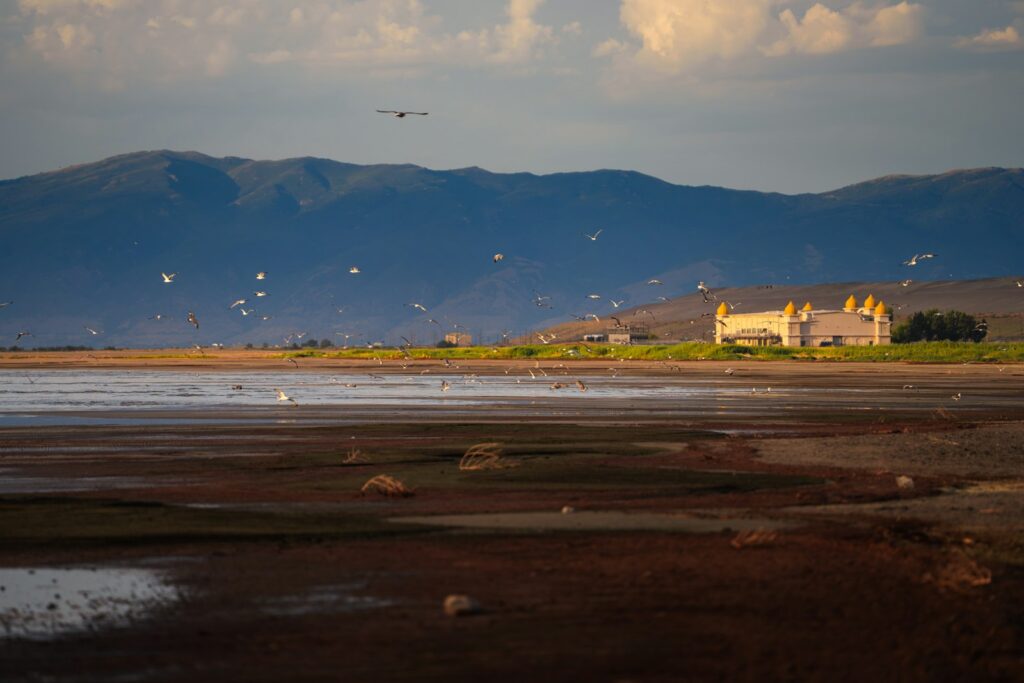
- Great Salt Lake (Utah): Loses 265–400 billion gallons annually (1,000–1,500 million metric tons)—enough water to supply 8–12 million US households for an entire year
- Lake Mead (Arizona/Nevada): Loses 240–320 billion gallons annually (900–1,200 million metric tons)—could provide every person in the US with a 10-minute shower every day for a year
- Lake Powell (Utah/Arizona): Loses 210–265 billion gallons annually (800–1,000 million metric tons)—roughly the yearly water use of Los Angeles and Phoenix combined
- Flathead Lake (Montana): Loses 80–130 billion gallons annually (300–500 million metric tons)—enough to supply the entire state of Montana for 1–2 years
- Canyon Lake (Texas): Loses 18–26 billion gallons annually (70–100 million metric tons)—disappears at the rate of 70–100 Olympic pools per day in bad years
- Salton Sea (California): Loses 35–55 billion gallons annually (130–210 million metric tons)—equivalent to filling 50,000–80,000 Olympic pools every year
- Navajo Lake (New Mexico/Colorado): Loses 25–40 billion gallons annually (95–150 million metric tons)—enough to supply 750,000–1.2 million households for a year
- Elephant Butte Reservoir (New Mexico): Loses 20–32 billion gallons annually (75–120 million metric tons)—roughly Albuquerque’s daily water use multiplied by 365 days
- Perris Reservoir (California): Loses 12–20 billion gallons annually (45–75 million metric tons)—could fill 18,000–30,000 Olympic pools annually
- Lake Shasta (California): Loses 8–15 billion gallons annually (30–55 million metric tons)—enough for 250,000–450,000 households for a full year