American Towns Where People Can’t Live Because Of Dangerous Pollution
Eventually, parts of the US will probably become uninhabitable, some of them covering large areas. Phoenix sees temperatures above 100°F for roughly 130 days a year, and the Colorado River, which supplies much of its water, is running low. Parts of New Orleans are already barely habitable, and rising seas will make matters worse over time. Portions of Florida around Miami will slowly flood, as will parts of Los Angeles.
Some places are uninhabitable today. Each was made so by a human-caused pollution disaster, so global warming cannot be blamed. In most cases, the poisons came from mines.
Times Beach, Mo.
In the early 1970s, a contractor sprayed the town’s dirt roads with waste oil to keep down dust. The oil contained dioxin, a toxic chemical. About a decade later, in 1982, a flood spread the contamination. The federal government purchased the town and permanently evacuated its 2,000 residents. The site has since been rehabilitated and is now part of Route 66 State Park, but the residents never returned.
Picher, Okla.
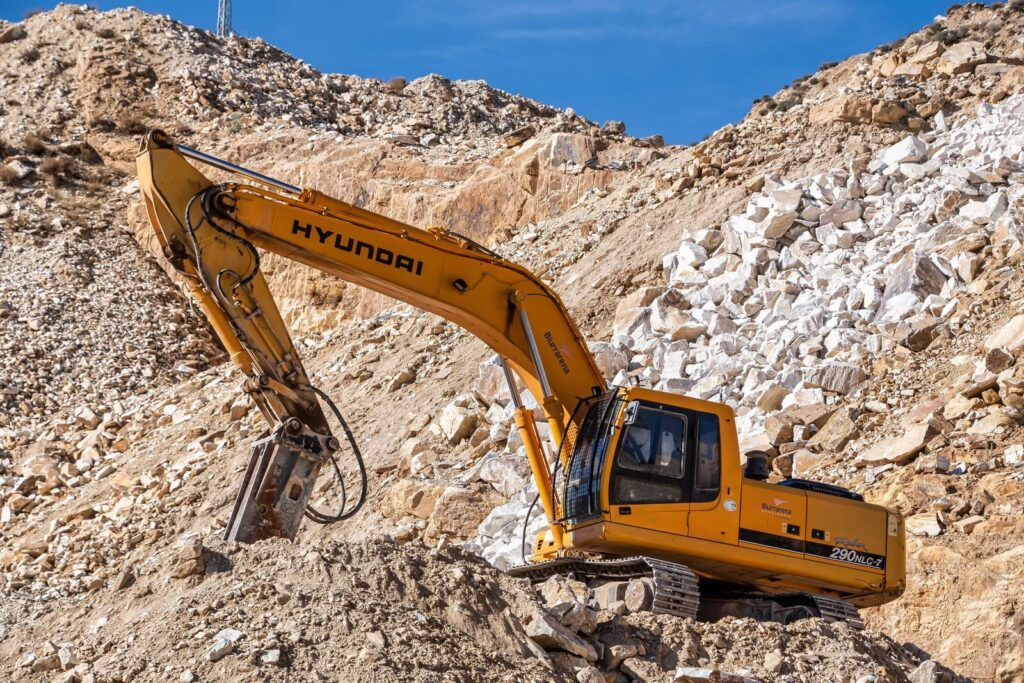
Picher sat in one of the world’s biggest lead and zinc mining areas. Mining left behind tons of toxic waste called chat, along with poisoned groundwater and hazardous tunnels. Over time, children were found to have high levels of these toxins in their blood. The area became part of the Tar Creek Superfund site, and the federal government paid residents to leave. The town was formally dissolved in 2013.
Treece, Kan.
Treece sits next to Picher, across the state line, and had identical mining waste. Residents lobbied for the same buyout Picher received, and they got it. Only a handful of residents remained, so few that they could be counted on a few hands.
Love Canal, N.Y.
This may be the most famous place on the list. This section of Niagara Falls was built above a chemical waste dump. In the late 1970s, chemicals began leaking into yards and basements, and hundreds of families were eventually relocated. The disaster led Congress to create the Superfund program in 1980. After cleanup, people returned to part of the area.
Centralia, Pa.
An underground coal mine fire has burned here since 1962, releasing carbon monoxide through holes in the ground. Most residents accepted government buyouts in the 1980s and 1990s. This may be better classified as a fire disaster than a pollution one.
Mossville, La.
Mossville lies in Louisiana’s petrochemical corridor, and residents had long complained about pollution from nearby plants. Unlike the other communities, it was not relocated by the federal government. Instead, in the 2010s, a chemical company bought out most of the community and built a new facility.
Hanford, Wash.
Hanford produced plutonium for nuclear weapons, beginning with the Manhattan Project. It is among the most radioactively contaminated places in the world. There was never a large town, but the site cannot be inhabited at all today.
More from ClimateCrisis 247
- EV Models With largest Sales Decline in 2026
- New Study Shows Relationship Between Heat and Gun Violence
- LA Wildfires Exposed People To Dangerous Lead
- Paris Climate Agreement Signatories Cutting Emissions the Most