America’s Nine Largest Nuclear Waste Sites
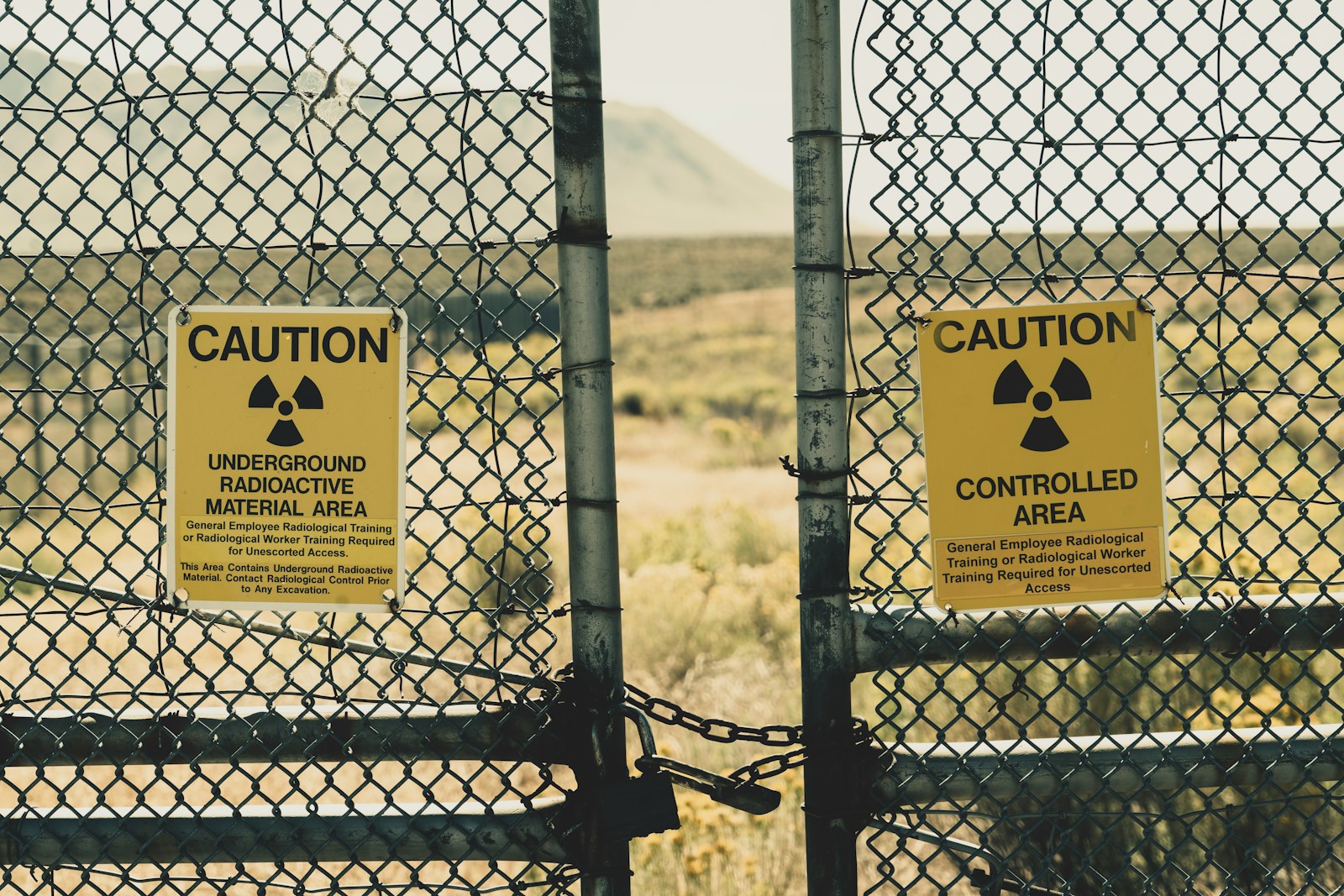
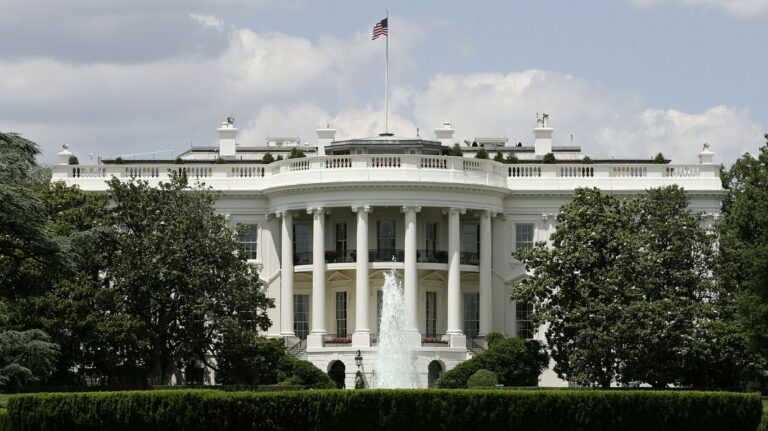
The Trump Administration has begun pushing for the expansion of U.S. nuclear power, driven in part by the growing electricity demands of AI data centers. The White House has framed the initiative as “Reinvigorating the Nuclear Industrial Base.” In it, the President stated, “We now face a new set of challenges, including a global race to dominate in artificial intelligence, a growing need for energy independence, and access to uninterruptible power supplies for national security.” The administration also plans to sharply cut regulations governing new construction.
However, a significant problem looms.
There are over 100 nuclear waste storage sites across the U.S., most located near nuclear plants such as those in Hanford, Washington, and Savannah River, South Carolina — and some are beginning to leak. Plant operators have tried to reassure the public. “Any leakage never traveled beyond a few inches from the leak site before it dried on the outside of the tank wall,” said Dean Campbell of Westinghouse Savannah River Co., which operates the facility. For many, that may not be enough comfort.
A recent report from the Crown School at the University of Chicago, titled “Our Silent Zombie: Commercial Nuclear Waste Storage in the United States,” warns that “the high-level waste stored around the country is extremely dangerous to humans and takes thousands of years to decay.” The Guardian has described such waste as “the most dangerous materials on earth.”
The scale of the problem makes finding a solution extraordinarily difficult. The American Action Forum reports that “there are more than 95,000 metric tons of spent fuel stored across 79 sites in more than 30 states.” Few communities want these materials nearby, and residents living near existing sites often have little recourse short of relocating. Last year, the Supreme Court ruled that the Nuclear Regulatory Commission could temporarily store waste in parts of New Mexico and Texas.
Climate Crisis24 identified the 10 largest nuclear storage facilities using data from the Department of Energy (DOE), the Congressional Research Service (CRS), the DOE-Managed Spent Nuclear Fuel data, the Spent Nuclear Fuel and Reprocessing Waste Inventory, the World Nuclear Association, the U.S. Government Accountability Office, and several state sources. The analysis examined defense-related sludge volume, the radioactivity of commercial spent nuclear fuel measured in metric tons, and cost estimates for site cleanup.
Hanford Site (Richland, Washington)
By far the largest facility in terms of defense high-level tank waste, holding 54 million gallons across 177 underground tanks. It also contains the largest share of the nation’s 90 million gallons of legacy tank waste. Some cleanup work has begun.
Savannah River Site (Aiken, South Carolina)
The second-largest by waste volume, with approximately 35 million gallons in underground tanks. The presence of plutonium and tritium production waste complicates cleanup efforts.
Idaho National Laboratory (Idaho Falls, Idaho)
Smaller in tank volume than the previous two sites, holding approximately 700,000 gallons of sodium-bearing waste. It serves as a DOE spent nuclear fuel storage facility.
Waste Isolation Pilot Plant (Carlsbad, New Mexico)
The only operating deep geologic repository in the U.S., used primarily for defense transuranic waste.
Yucca Mountain (Nevada)
Designated as a permanent repository for high-level waste and spent fuel, with a storage capacity of up to 70,000 metric tons. It has not yet reached capacity.
Palo Verde Nuclear Generating Station (Arizona)
The largest U.S. nuclear plant by generating capacity at 4,000 MW. Its long operational history has resulted in a large accumulated waste inventory, estimated in the thousands of metric tons.
Diablo Canyon Power Plant (California)
A two-unit operating plant with a substantial legacy of spent nuclear fuel. It is scheduled for decommissioning, likely in 2029 or 2030.
San Onofre Nuclear Generating Station (California, decommissioned)
Formerly a three-unit plant, it has a large dry cask inventory accumulated over decades of operation.
Zion Nuclear Power Station (Illinois, decommissioned)
A two-unit plant shut down in 1996 and 1997, Zion illustrates how decommissioned facilities with substantial stored fuel continue to contribute to the nation’s overall waste challenge.