America’s Sinking Cities
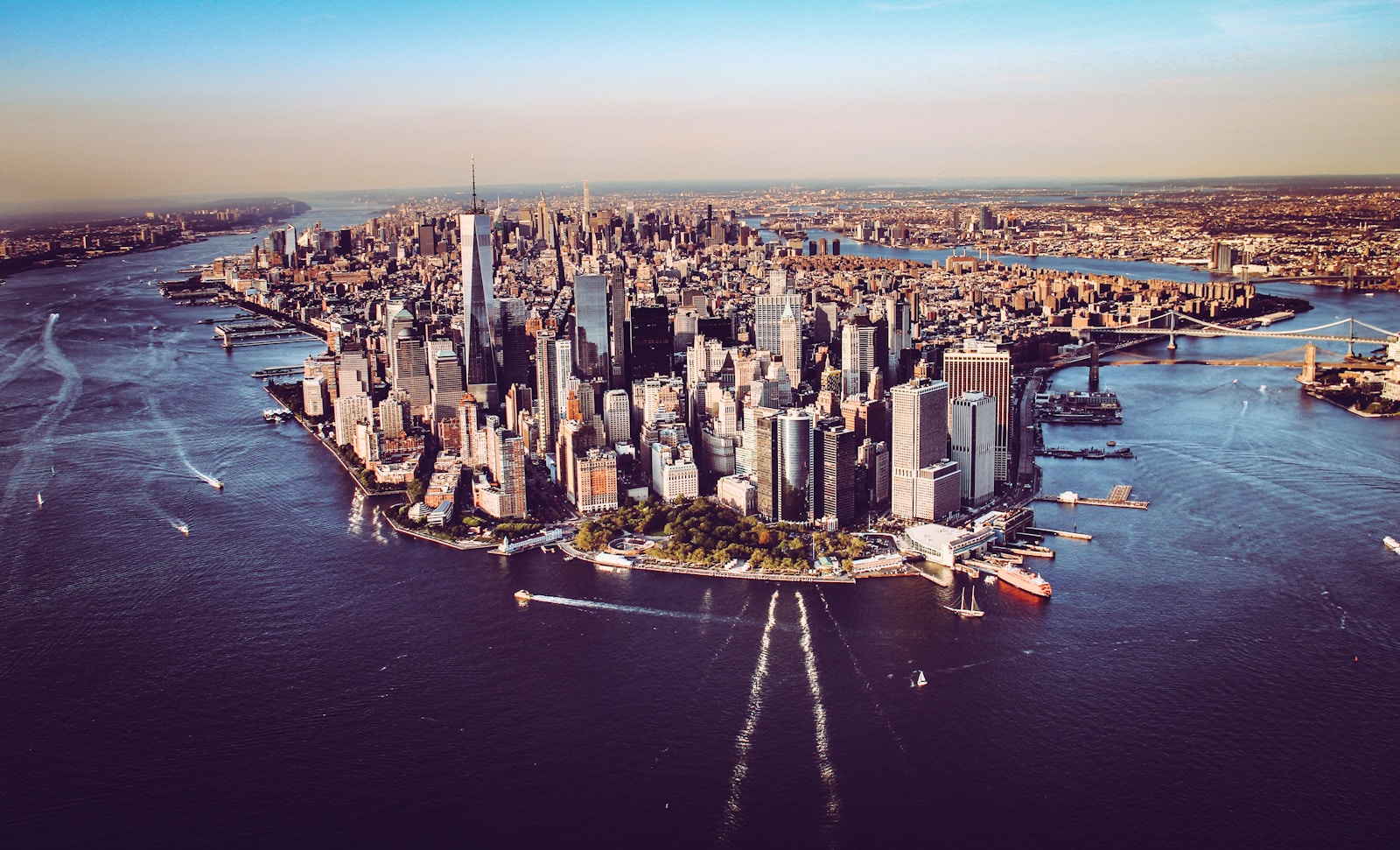
One byproduct of a warming world is that some shorelines—both oceanic and lakeside—are rising and eroding coastal cities. However, there’s another reason some areas of America are “sinking”: a phenomenon known as “land subsidence.” The USGS defines land subsidence as “a gradual settling or sudden sinking of the Earth’s surface due to subsurface movement of earth materials.” In some cases, global warming causes groundwater levels to drop below the land’s surface. Combined, land subsidence and rising water have begun to severely flood parts of some US cities—and in virtually all cases, this trend will continue.
Climate Crisis247 used the 2025 Nature Cities study and several other sources to identify which cities are sinking, many of them into the water. The most recent study, titled “Land subsidence risk to infrastructure in US metropolises,” states: “Here we use space geodetic measurements from 2015 to 2021 to create high-resolution maps of subsidence rates for the 28 most populous US cities. We estimate that at least 20% of the urban area is sinking in all cities, mainly due to groundwater extraction, affecting 34 million people.” Additional sources were consulted.
Columbia University’s State of the Planet noted that “A new study of the 28 most populous U.S. cities finds that all are sinking to one degree or another. The cities include not just those on the coasts, where relative sea level is a concern, but many in the interior.” Articles from The New York Times, EOS.org, Grist, and local media in the affected cities were also reviewed.
The primary study used satellite-based radar data to map subsidence rates across these cities. Researchers discovered that all 28 showed some degree of sinking, caused in part by groundwater extraction and urban loading. In some cities, this was coupled with rising ocean waters. Cities affected by both phenomena include San Francisco, Seattle, Jacksonville, Los Angeles, and Boston.
Additionally, the combination of rising seas and sinking land will cause severe flooding in some cities by 2100, including Miami, New Orleans, Tampa, Charleston, Atlantic City, and Norfolk. NOAA and Climate Central provided data for this analysis.
Climate Central points out that the problem of sinking land began long ago: “Global mean sea level has risen about 8–9 inches (21–24 centimeters) since 1880. The rising water level is mostly due to a combination of melt water from glaciers and ice sheets and thermal expansion of seawater as it warms. In 2023, global mean sea level was 101.4 millimeters (3.99 inches) above 1993 levels, making it the highest annual average in the satellite record (1993-present).”
Below are America’s largest cities by population, including the square mileage of land they cover:
New York, NY
- Population: 8,478,000
- Land area: 300.5 sq mi
Los Angeles, CA
- Population: 3,879,000
- Land area: 469.5 sq mi
Chicago, IL
- Population: 2,721,000
- Land area: 227.7 sq mi
Houston, TX
- Population: 2,390,000
- Land area: 640.4 sq mi
Phoenix, AZ
- Population: 1,673,000
- Land area: 518 sq mi
Philadelphia, PA
- Population: 1,574,000
- Land area: 134.4 sq mi
San Antonio, TX
- Population: 1,527,000
- Land area: 498.8 sq mi
San Diego, CA
- Population: 1,404,000
- Land area: 325.9 sq mi
Dallas, TX
- Population: ~1,350,000
- Land area: 340 sq mi
San Jose, CA
- Population: ~970,000
- Land area: 178 sq mi
Austin, TX
- Population: ~1,000,000
- Land area: 326 sq mi
Jacksonville, FL
- Population: ~950,000–970,000
- Land area: 747 sq mi
Fort Worth, TX
- Population: 950,000
- Land area: 347 sq mi
Columbus, OH
- Population: ~900,000–920,000
- Land area: 220 sq mi
Charlotte, NC
- Population: 900,000
- Land area: 308 sq mi
Indianapolis, IN
- Population: 880,000
- Land area: 361 sq mi
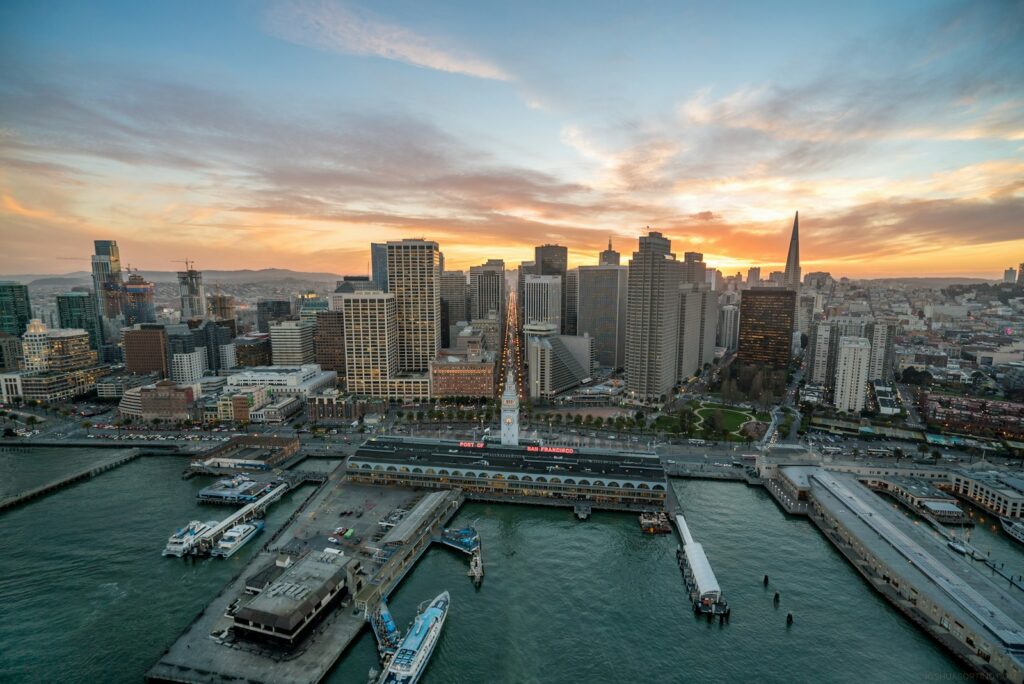
San Francisco, CA
- Population: 808,000
- Land area: 47 sq mi
Seattle, WA
- Population: 750,000
- Land area: 84 sq mi
Denver, CO
- Population: 710,000
- Land area: 153 sq mi
Oklahoma City, OK
- Population: 700,000
- Land area: 606 sq mi
Nashville, TN
- Population: ~680,000–700,000
- Land area: 476 sq mi
Washington, DC
- Population: 670,000
- Land area: 61 sq mi
Boston, MA
- Population: ~665,000–675,000
- Land area: 48 sq mi
El Paso, TX
- Population: 660,000
- Land area: 258 sq mi
Portland, OR
- Population: 630,000
- Land area: 133 sq mi
Las Vegas, NV
- Population: 625,000
- Land area: 136 sq mi
Detroit, MI
- Population: ~620,000
- Land area: ~139 sq mi
Memphis, TN
- Population: ~620,000
- Land area: 297 sq mi
Sponsor
Find a Vetted Financial Advisor
- Finding a fiduciary financial advisor doesn't have to be hard. SmartAsset's free tool matches you with up to 3 financial advisors that serve your area in 5 minutes.
- Each advisor has been vetted by SmartAsset and is held to a fiduciary standard to act in your best interests. Get on the path toward achieving your financial goals!