American Cities Most Damaged By Climate Change
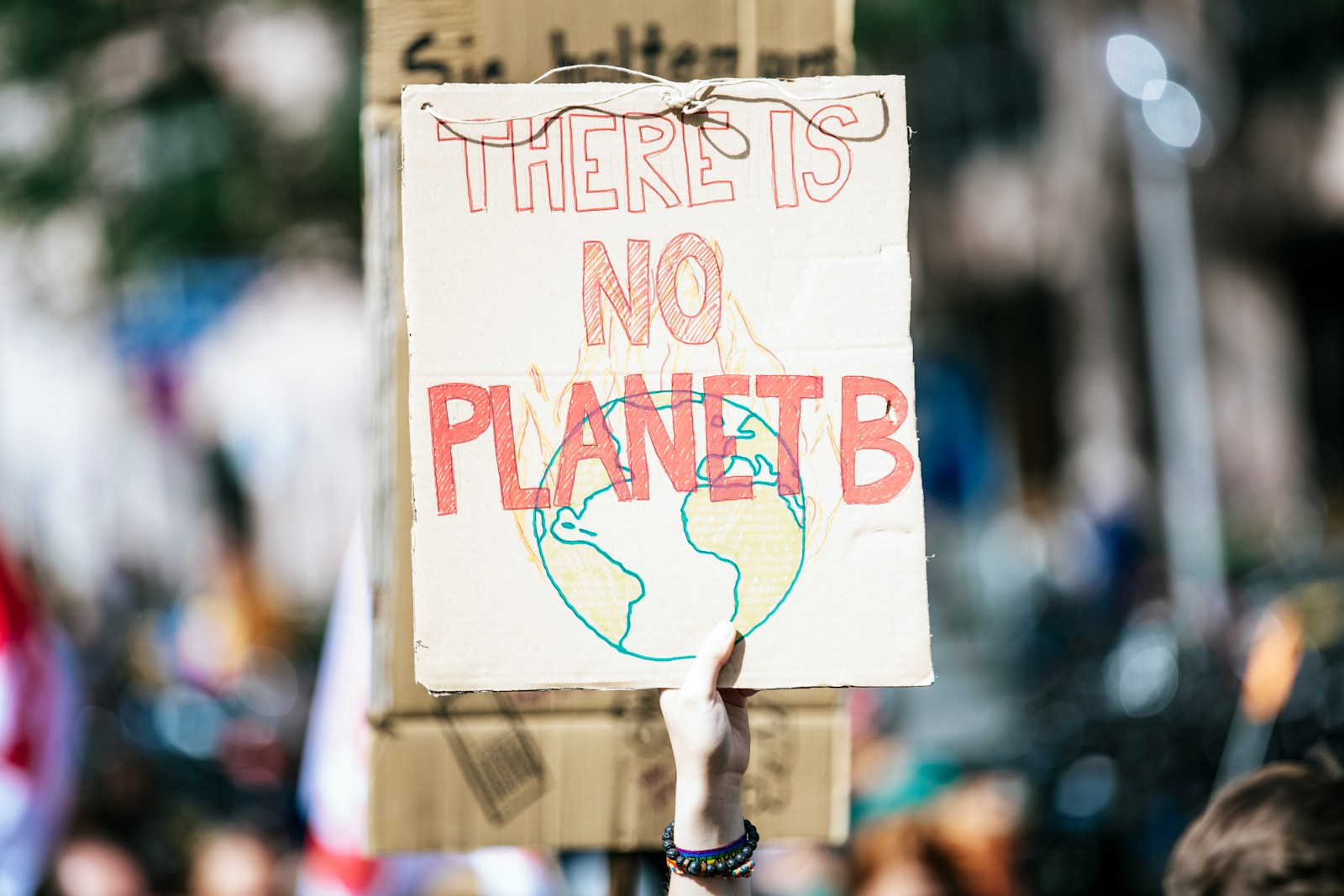
Many US cities have been significantly damaged by climate change, and the damage is projected to worsen in the future. In America, the primary threats include rising sea levels, increased flooding (particularly along the coast and in flood-prone areas), extreme heat, stronger hurricanes, more widespread wildfires, and related impacts such as poor air quality and infrastructure challenges. According to the authors of the Global Environment Outlook (GEO-7), “Climate change, left unchecked, will expose about 1.1 billion more people to heavy rains and an additional 900 million people to intense drought by 2050.” The report also examines how climate change reduces GDP, accelerates forest loss, drives climate migration, and threatens numerous species.
Metropolitan vulnerability rankings vary by source and the factors considered, including future time ranges (2030, 2050, 2100), the pace at which damage accelerates, and each location’s current vulnerability, which serves as a benchmark. These analyses are conducted for various purposes, including financial and insurance assessments, scientific studies, livability projections, and city and state government regulations. Often, these studies reach conflicting conclusions.
Unfortunately, politics frequently overshadows the climate crisis. Nearly two hundred nations signed the Paris Agreement a decade ago, which stated, “To limit global warming to 1.5°C, greenhouse gas emissions must peak before 2025 at the latest and decline 43% by 2030.” Many scientists believe the world missed the 2025 target. Meanwhile, the US has scaled back its commitments despite the Paris Agreement being “a legally binding international treaty on climate change” and the US being the world’s second-largest source of greenhouse gas emissions.
To identify the cities most damaged by climate change and those likely to suffer severe damage in the future, we reviewed sources including Nature, The U.S. Climate Vulnerability Index, Plantizen, The Washington Post, Realtordocom, CNBC, Policy Genius, and local media reports.
Projections emphasize that coastal subsidence makes sea-level rise more dangerous in states such as Florida, Louisiana, Texas, and California.
According to Adam Kamins, senior director at Moody’s, in a CNBC interview, “Absent policy changes, large coastal states like California, Florida and New York are especially vulnerable, while more inland northern economies will emerge only slightly worse off, with a handful of small metro areas possibly benefiting slightly.”
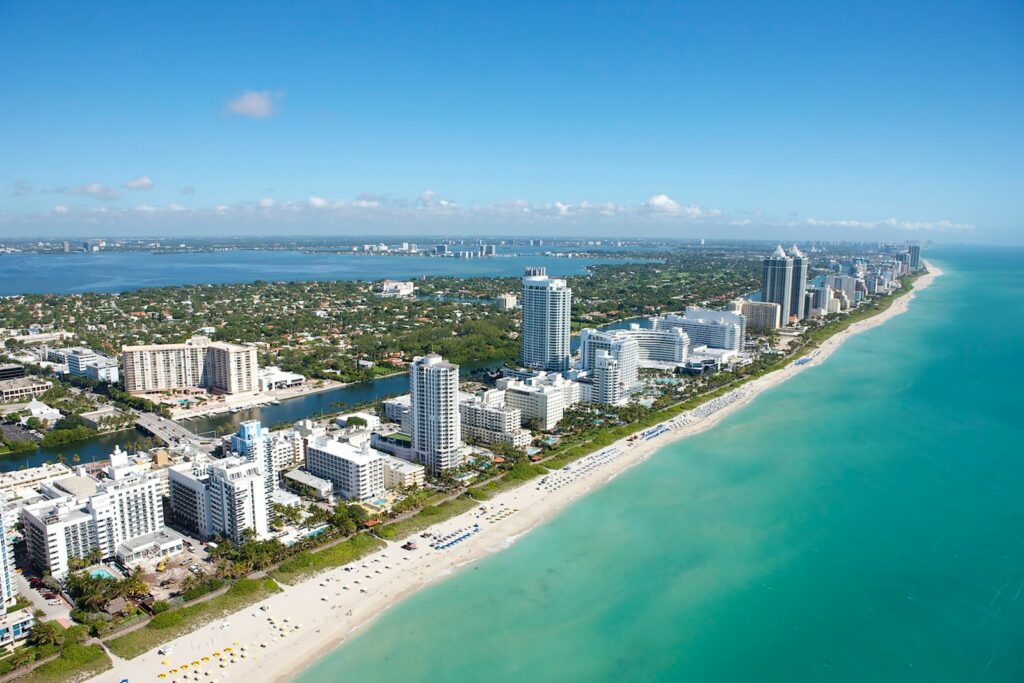
Most Vulnerable US Cities:
Miami, Florida: Tops many lists due to severe sea-level rise, frequent high-tide flooding, hurricane risks, and extreme heat and humidity. Projections show large portions of the city at risk of chronic flooding by mid-century.
Houston, Texas: Often ranked among the worst overall, facing extreme heat, hurricanes, flooding, subsidence (sinking land), and poor resilience infrastructure in some assessments.
New Orleans, Louisiana: Extremely vulnerable to sea-level rise, subsidence, and hurricanes. Much of the city is below sea level, with projections indicating nearly all properties could face 100-year flood risks by 2050. A multibillion-dollar investment in protective infrastructure is needed.
Tampa, Florida: High exposure to hurricanes, sea-level rise, flooding, and heat; frequently appears in top vulnerability rankings along Florida’s west coast.
Jacksonville, Florida: Similar risks to Tampa, Miami, Naples, and Fort Lauderdale, including hurricanes, flooding, and sea-level rise.
Florida cities rank particularly high due to disasters over the last three years, often called “billion-dollar” climate events, led by Hurricanes Helene and Milton, which caused severe damage from south of Tampa into the Panhandle.
Additional Notable Cities (Not at Immediate Substantial Risk):
Los Angeles, California: Primarily threatened by wildfires, extreme heat, drought, and air quality issues.
New York, New York: Vulnerable to sea-level rise (especially in Queens and Brooklyn), storm surges, and flooding in low-lying areas.
Coastal Texas Cities: Particularly Galveston and Port Arthur face significant risks.
More from ClimateCrisis 247
- Cities Where Americans Have the Highest Water Bills
- New Documents Add to Evidence in Climate Deception Case Against ExxonMobil
- The 10 Most Sustainable Countries In The World
- States Where Tax Payers Will Pay The Most for Rising Sea Levels