As the Southeast Recovers From Back-to-Back Hurricanes, Wildfires And Ozone Degrade Air Quality In The West
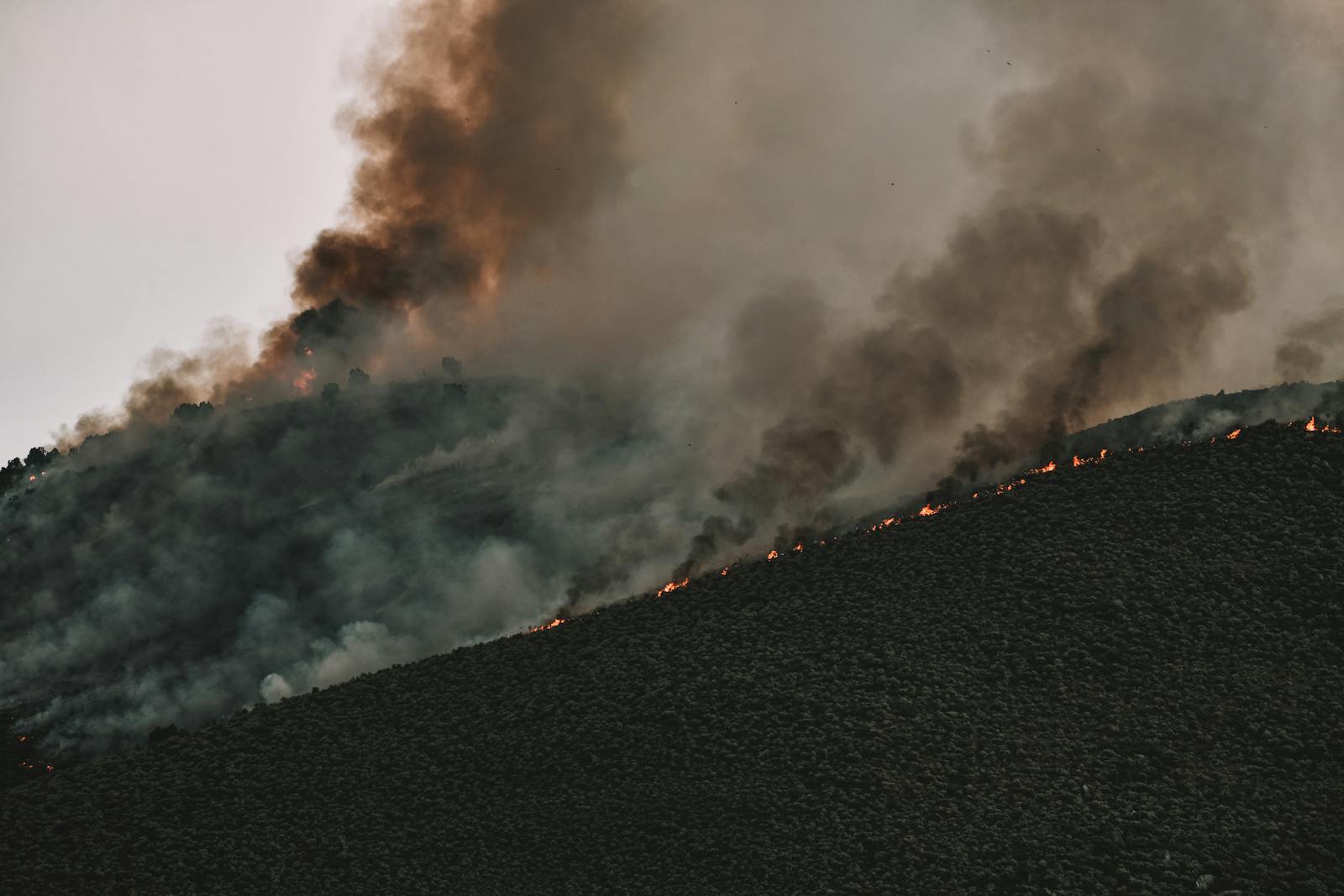
In the second week of October, wildfires in Wyoming and Oregon and high ozone days in Texas have led to spikes in particulate matter and ozone and prompted the National Weather Service to issue air quality alerts for dozens of counties. Currently, there are 106 counties under some kind of air quality alert, representing 9.0% of the U.S. population.
Range anxiety? The 25 Best Cities for Charging Electric Vehicles
Irony? Hurricane Helene Takes Down Nation’s Top Extreme Weather Tracker
The major pollution event right now is the Elk Fire in Sheridan County, Wyoming. As of Thursday, the Elk Fire had spread to more than 79,000 acres, and more than 900 personnel were working to contain the blaze. Other alerts were issued in Fremont County in Wyoming due to the Pack Trail Fire, as well as wildfire-related alerts in Klamath, Lake, and Deschutes counties in Oregon, and Lemhi County in Montana.
Meanwhile, environmental officials throughout the Southwest have issued alerts for potential high ozone activity in several major cities. Conditions that can contribute to high ozone days include intense sunlight and heat, vehicle and industrial emissions, and low wind speeds. Major cities impacted by poor air quality due to high ozone right now include Houston, Phoenix, San Antonio, Dallas, Austin, Fort Worth, and Mesa.
More from ClimateCrisis 247
- Worst Polluting Nations in the World Compared to Shipping & Aviation Industries
- Nations with the Most EV Sales Per Hour, Adjusted for Population
- The States Where People Have Already Left Because Of Climate Change
- Worst Fall Snowstorms to Hit America’s Largest Cities