Cities That See 100 Degrees At Least One Day Every Year
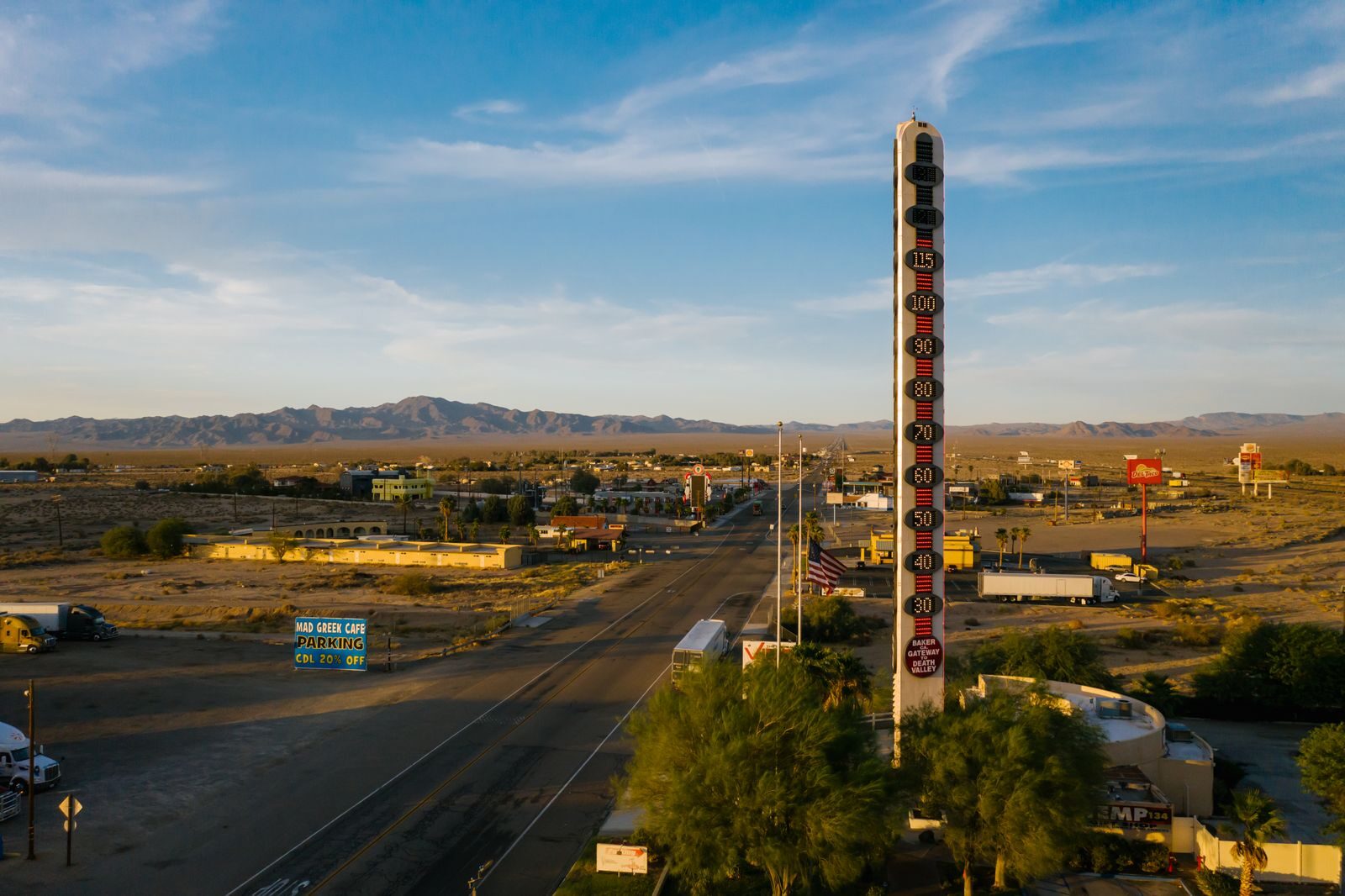
Climate data show that more than 10,000 American cities and towns have set record-high temperatures this year, over 7,000 of them under the massive heat domes in March. Several of these cities are in the northernmost part of the US: Billings, MT, set a record of 111°F, while Rapid City, SD, set a new record of 112°F. The primary sources for these figures are the National Centers for Environmental Information and NOAA’s Climate Data Online (CDO).
Using data from NOAA’s National Centers for Environmental Information (NCEI), NOAA National Weather Service local offices, and Current Results, ClimateCrisis247 identified cities that see at least one day a year over 100°F. Within that group, some cities have topped 100°F on more than 10 days a year, on average, over most of this century. Phoenix leads with a 21st-century average of 111 such days a year, followed by Las Vegas with 78. Most of these cities also have all-time highs above 110°F.
| City | 2000 Census | Latest Estimate | Change (2000–present) |
|---|---|---|---|
| Phoenix, AZ | 1,323,107 | 1,665,481 (2025) | +25.9% |
| Las Vegas, NV | 480,042 | 679,817 (2025) | +41.6% |
| Yuma, AZ | 79,578 | 100,858 (2023) | +26.7% |
| Tucson, AZ | 484,997 | 548,371 (2025) | +13.1% |
| Palm Springs, CA | 42,700 | 45,453 (2024) | +6.4% |
| El Paso, TX | 563,662 | 681,723 (2024) | +21.0% |
| Dallas, TX | 1,188,580 | 1,326,087 (2024) | +11.6% |
| Fort Worth, TX | 534,694 | 1,008,106 (2024) | +88.6% |
| San Antonio, TX | 1,144,646 | 1,526,656 (2024) | +33.4% |
| Austin, TX | 656,562 | 993,588 (2024) | +51.3% |
| Wichita Falls, TX | 104,174 | 102,372 (2024) | −1.7% |
| Lubbock, TX | 200,003 | 272,086 (2024) | +36.0% |
| Fresno, CA | 429,583 | 550,105 (2024) | +28.1% |
| Bakersfield, CA | 249,629 | 417,468 (2024) | +67.2% |
| Sacramento, CA | 406,606 | 535,798 (2024) | +31.8% |
| Riverside, CA | 256,730 | 323,757 (2024) | +26.1% |
Beyond the heat, another fact stands out: the US population grew by 21% from 2000 to 2024, according to the Census. Based on the same data, 12 of the 17 cities on this list grew faster than that national rate, as Southern California, the Southwest, and Texas expanded rapidly. There is no evidence, however, that the heat had anything to do with this migration.
Several cities on the list sit in desert areas, particularly those in Arizona, southwest Texas, and Las Vegas. Often ringed by mountains, these areas trap heat between the surrounding higher elevations. While these cities run hot, they are rarely humid.
The heat — and humidity — in Texas cities has a different cause. The Gulf of Mexico stays extremely warm for much of the year, and warm, moist air circulates inland from it. A phenomenon known as the “Texas heat dome” compounds the effect: a persistent high-pressure system parks over the state, limiting air movement and trapping heat in place.
Several of the California cities on the list are inland, cut off from the Pacific Ocean’s cooling influence. Most also sit at low elevations, which tend to run warmer than the cooler air found in nearby mountains — mountains that, in turn, trap hot air within the valleys below.
The US is getting hotter. Will more cities cross the 100-degree threshold at least once a year, year after year? Almost certainly.
More from ClimateCrisis 247
- The Least Reliable Electric Vehicles, According to Consumer Reports
- At the Wall of Wind, engineers blow homes apart to learn how to save them
- Is coal really making a comeback?
- States With the Deadliest Tornadoes Since 1950