Deadliest Climate Disasters In US History
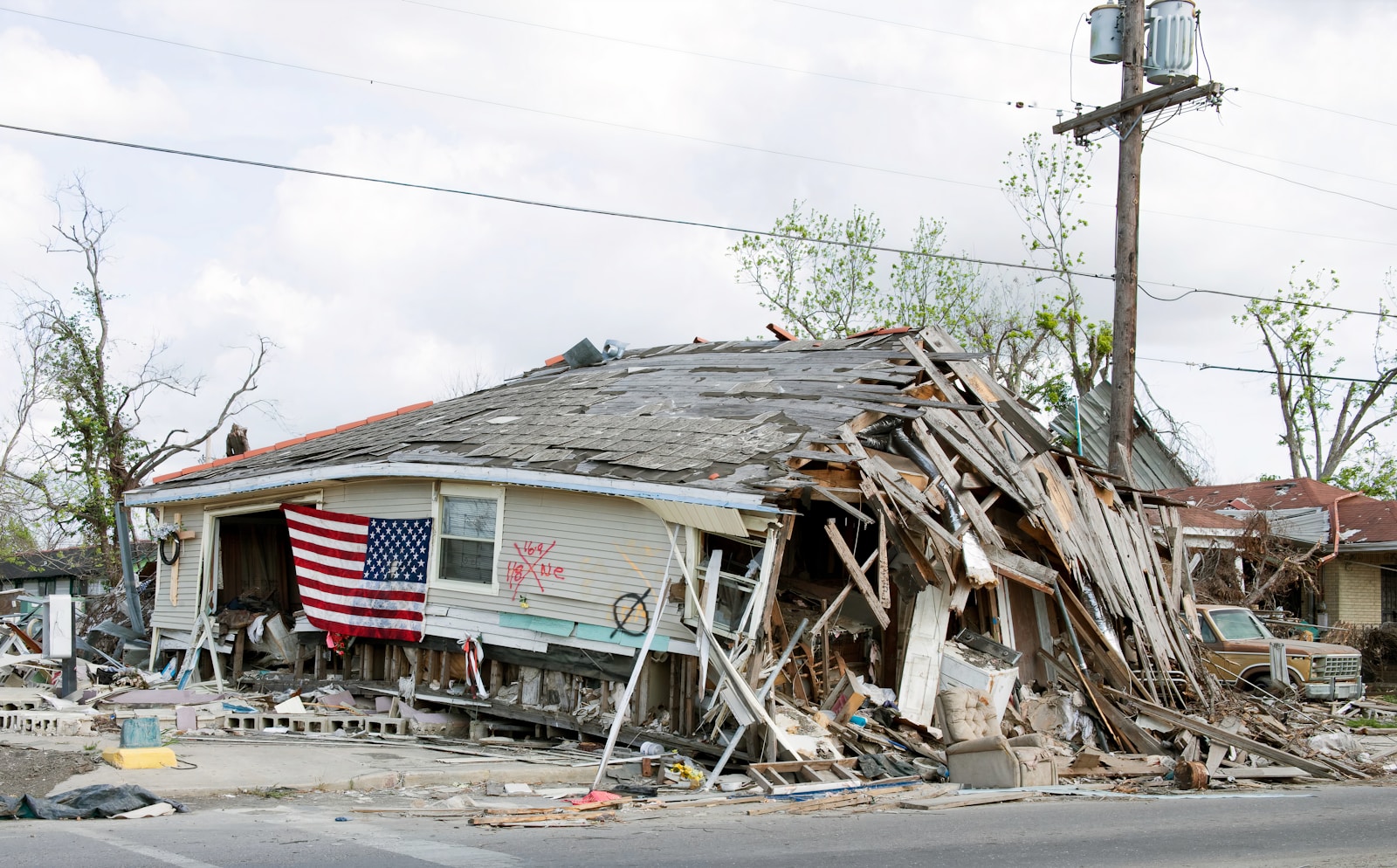
It is hard to believe that the greatest climate disaster in American history occurred only 125 years ago.
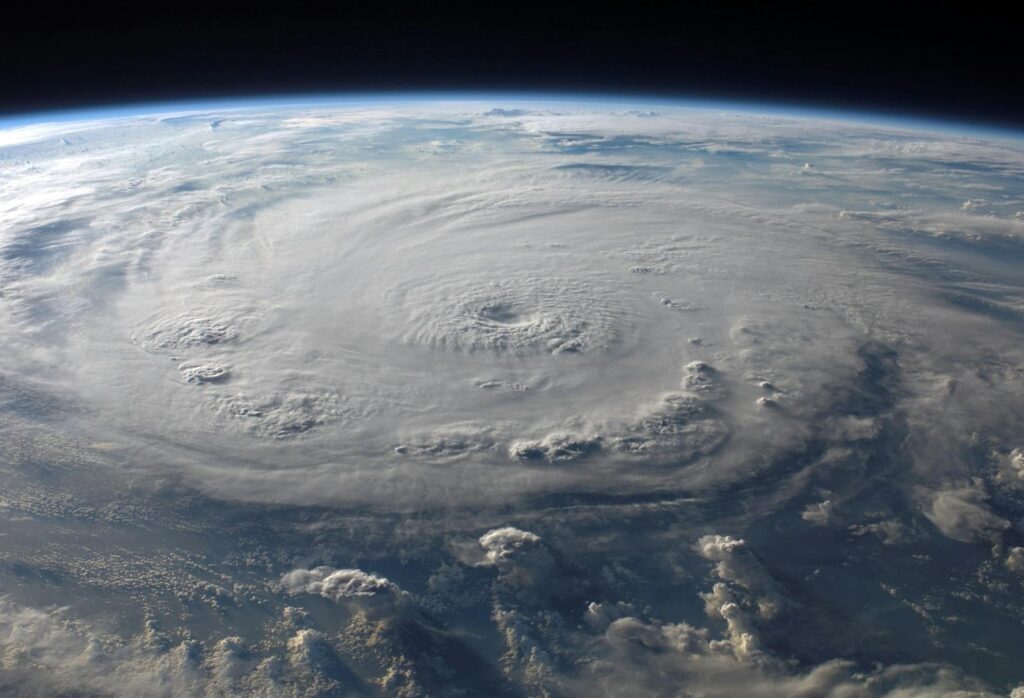
What would now be called a Category 4 hurricane made landfall at Galveston on Sept. 8, 1900. The storm hit an area where none of the land was more than a few feet above sea level. The surge was higher than that. The catastrophe was so great that it is not certain how many people were killed. The figure has been put between 8,000 and 12,000.
The storm is sometimes called the Galveston Flood. It began in the Atlantic and moved through the Gulf of Mexico, then moved north through Texas toward the middle part of the U.S. across the Great Lakes and then into Canada.
There are debates to this day about whether the storm could have been forecast. Certainly, the tools for forecasting such storms were primitive compared with those available today. The hurricanes with the most fatalities in American history mostly hit the country in the late 1800s and the early parts of the 20th century.
These are the deadliest weather and climate-related disasters in U.S. history. They are ranked based on estimated fatalities. The events include hurricanes, floods, heat waves, tornadoes, and wildfires. All numbers are estimates.
| Rank | Event | Year | Death Toll (est.) | Notes |
| 1 | 1900 Galveston Hurricane (TX) | 1900 | 8,000–12,000 | Deadliest natural disaster in U.S. history; Category 4 hurricane destroyed much of Galveston |
| 2 | 1928 Okeechobee Hurricane (FL) | 1928 | 2,500–3,000 | Mostly migrant farm workers drowned when Lake Okeechobee in the center of Florida overflowed |
| 3 | 1893 Sea Islands Hurricane (SC/GA) | 1893 | ~2,000–3,000 | Primarily affected African-American communities on Atlantic coast |
| 4 | 1893 Cheniere Caminada Hurricane (LA) | 1893 | ~2,000 | Devastated coastal Louisiana in an area that is almost directly south of New Orleans |
| 5 | 1889 Johnstown Flood (PA) | 1889 | 2,209 | The South Fork Dam failed after heavy rain; causing the catastrophe |
| 6 | 1936 North American Heat Wave | 1936 | ~5,000 | Worst heat wave on record; highest estimates place it around 5,000 deaths occurred during the Dust Bowl, primarily in the Midwest and Plains states. |
| 7 | 2005 Hurricane Katrina (LA/MS especially New Orleans) | 2005 | 1,392–1,833 | Levee failures caused most deaths |
| 8 | 1913 Great Flood (OH, IN especially Dayton) | 1913 | ~650–1,000 | Massive Midwest flooding. Also hit Cincinnati and Columbus |
| 9 | 1906 San Francisco Earthquake & Fire | 1906 | ~3,000 | Fire after earthquake caused most deaths; often excluded from “weather” lists |
| 10 | 1995 Chicago Heat Wave | 1995 | 739–1,000 | Urban heat island effect amplified deaths among elderly, Black residents hit hard |
Other events with over 500 deaths
- 1871 Peshtigo Fire (WI/MI) – 1,500–2,500 deaths (wildfire during extreme drought): This may also be the largest wildfire in U.S. history. Estimates are that it covered over 1.2 million square miles.
- 1930s Dust Bowl heat waves (multiple years): Thousands of “excess deaths,” as scientists call them. In 1936, some temperatures rose to over 100 degrees F as far north as the Dakotas. The loss of vegetation because of the drought made the heat wave worse.
- 1888 Blizzard (“Schoolhouse Blizzard”): Approximately 500 deaths across part of Minnesota and Wisconsin, some temperatures dropped below -40 degrees. The name comes from the fact that many children died in a one room schoolhouse.
- 1896 Eastern Heat Wave: About 1,300 (mostly in New York City) death. The 10-day heatwave covered an area from Boston to Chicago to New York City. The temperature in NYC was above 90 degrees F for almost a week. Many of those who died were laborers who worked outdoors and lived in tenements.
- 1980 Heat Wave with 1,250–10,000 excess deaths nationwide: Mostly Midwest and Southern Plains. Coincided with a major drought. In parts of Texas, temperatures topped 110 degrees F.
- 2021 Pacific Northwest Heat Dome with approximately 1,400 deaths in the U.S.: According to the Department of Agriculture, “In 2021, it was one of the most extreme events recorded globally.”
A Change in How Weather Catastrophes Are Viewed since 1980
While no single event since Katrina has exceeded 1,800 deaths, heat waves now routinely rank as the deadliest type of weather disaster annually in the U.S. (NOAA estimates 150–200 heat deaths per year on average, far exceeding hurricanes or tornadoes).
Sources: Primarily NOAA/NWS, National Hurricane Center, Blake & Gibney (2011), and historical compilations by Rappaport, Doswell, etc. Death tolls for pre-1950 events are often low because of poor record-keeping, especially in marginalized communities.
Definition of “excess deaths,” also known as “excess mortality” CDC: “Excess deaths are the difference between the total number of deaths that actually occurred during a specific time period and the number of deaths that were expected to occur during that same period.”