Global EV Sales Are Booming — Except in the US
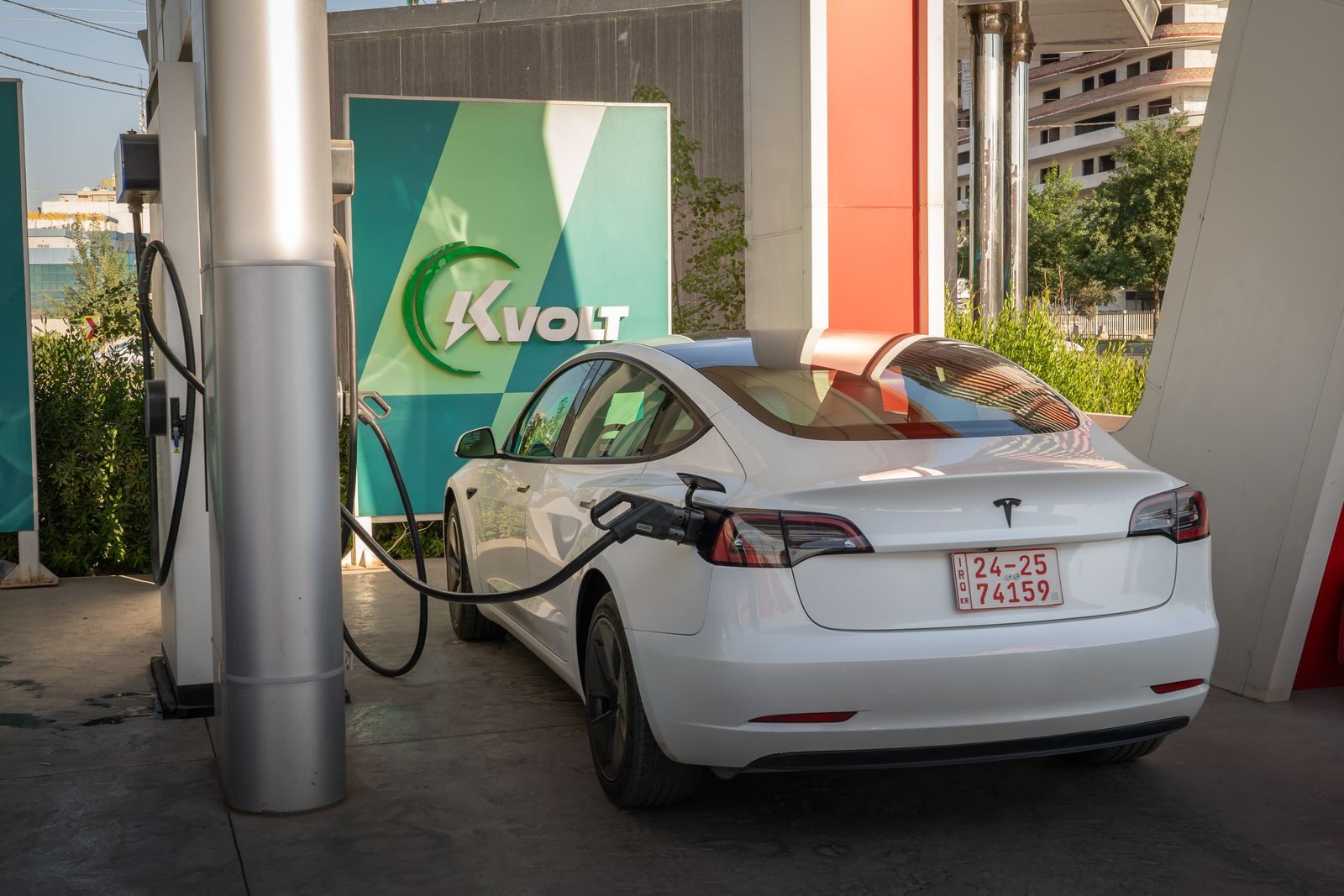
The global EV industry looks nothing like what was expected back in 2020. China, by far the world’s largest car market, had only 6% EV adoption among new car sales that year. It’s staggering that the figure has reached 52% today. In Australia, just 1% of new car buyers chose EVs in 2020; today that figure is 15%.
At the start of the century, EVs were virtually nonexistent. Now, according to the IEA, global electric car sales are expected to reach 23 million in 2026, representing 28% of total car sales.
What drives EV adoption? Several factors matter, but two consistently top the list: gas prices and government incentives. Norway is a case in point, with 97% of new cars sold there expected to be EVs. According to Electra, Norway has built a comprehensive incentive system for electric vehicles, exempting them from the 25% value-added tax that applies to combustion cars — making EVs significantly cheaper by comparison. The country has also built out an extensive public charging network.
China has its own specific reasons for promoting EV adoption. Air pollution had become the country’s most pressing public health problem, and according to the journal Nature, electric vehicles have cut pollution in China enough to prevent 260,000 premature deaths. Beyond offering drivers substantial financial incentives, the Chinese government also invested directly in EV companies — over $230 billion through 2024. One result was the rise of BYD, which passed Tesla last year to become the world’s largest EV company by unit sales.
These investments eventually created problems of their own. China had over 100 EV companies last year, and many are likely to disappear as the market shakes out. Cutthroat pricing has become common as companies fight to survive, leading some to describe China’s EV sector as “overbuilt.” The government has since begun scaling back buyer incentives, and sales have dropped as a result. CNBC reports that after passenger vehicle sales fell 20.2% in the first half of the year, the China Passenger Car Association lowered its 2026 full-year retail sales projection to a 14% decline, down from an earlier forecast of flat year-over-year sales.
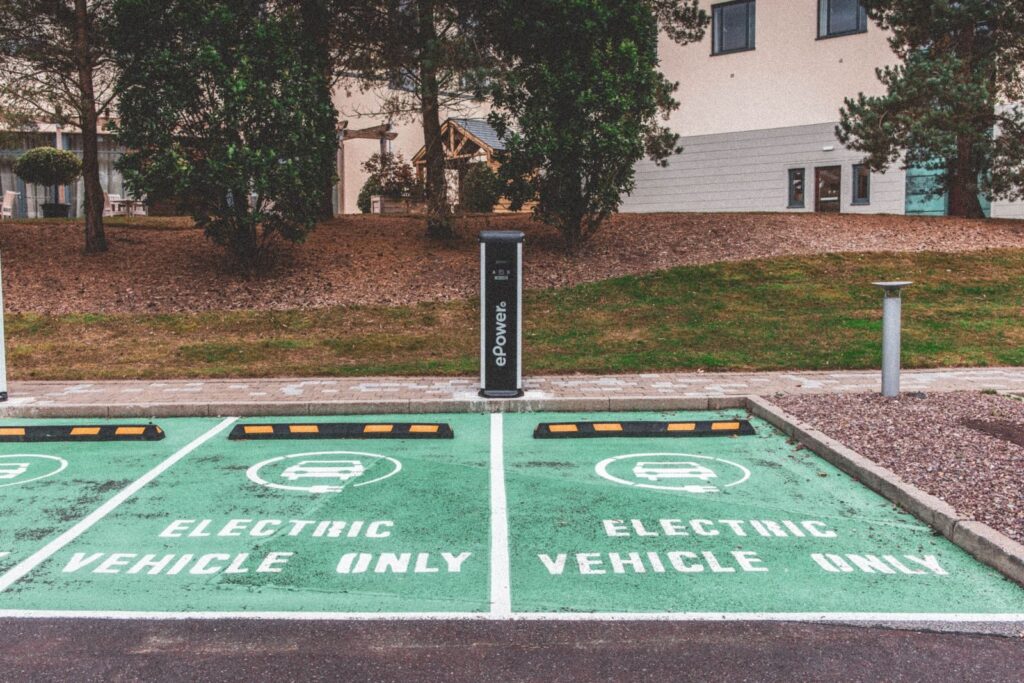
The swing in the US EV market has been extraordinary — and disastrous for the industry. In 2021, the Biden administration set an ambitious goal: according to the Federal Register, 50% of new passenger cars and light trucks sold in 2030 were to be zero-emission vehicles, including battery-electric, plug-in hybrid, and fuel-cell models. A companion plan targeted 500,000 public charging stations.
Major automakers built their strategies around these federal goals. Ford, for instance, committed $30 billion to its EV business in May 2021, aiming for battery-powered models to make up 40% of its worldwide sales by 2030.
Much of the US EV market’s growth rested on a $7,500 federal tax credit for new EVs. When that credit expired on September 30 of last year, sales went into a tailspin. The IEA reports that new electric car sales in the fourth quarter of 2025 were 45% lower than in the same quarter of 2024, and sales fell another 20% year-over-year in the first half of 2026 — a stark reminder of how essential public policy has been to EV adoption.
EV sales rose in every major market between 2020 and 2025. In the US, however, the industry’s trajectory looks nothing like what most people expected.
Our search is based on the IEA Global EV Outlook 2026, The World Population Review Electric Car Use by Country 2026, and Axis Intelligence.
| Country/Region | 2020 | 2025 |
|---|---|---|
| Norway | 75% | 97% |
| Nepal | 10% | 68% |
| Iceland | 52% | 62% |
| China | 6% | 53% |
| Viet Nam | 0% | 41% |
| Singapore | 2% | 40% |
| United Kingdom | 11% | 35% |
| Switzerland | 14% | 34% |
| Uruguay | 0% | 28% |
| European Union | 10% | 27% |
| Thailand | 1% | 23% |
| Türkiye | 0% | 22% |
| Israel | 3% | 21% |
| Costa Rica | 2% | 17% |
| Ukraine | 2% | 16% |
| Indonesia | 0% | 15% |
| Australia | 1% | 15% |
| New Zealand | 7% | 12% |
| UAE | 0% | 12% |
| Jordan | 2% | 11% |
| Korea | 3% | 11% |
| Canada | 4% | 11% |
| United States | 2% | 10% |
| Colombia | 1% | 10% |
More from ClimateCrisis 247
- Cities Where Americans Have the Highest Water Bills
- New Documents Add to Evidence in Climate Deception Case Against ExxonMobil
- The 10 Most Sustainable Countries In The World
- States Where Tax Payers Will Pay The Most for Rising Sea Levels