Meet The World’s Largest Garbage Dumps
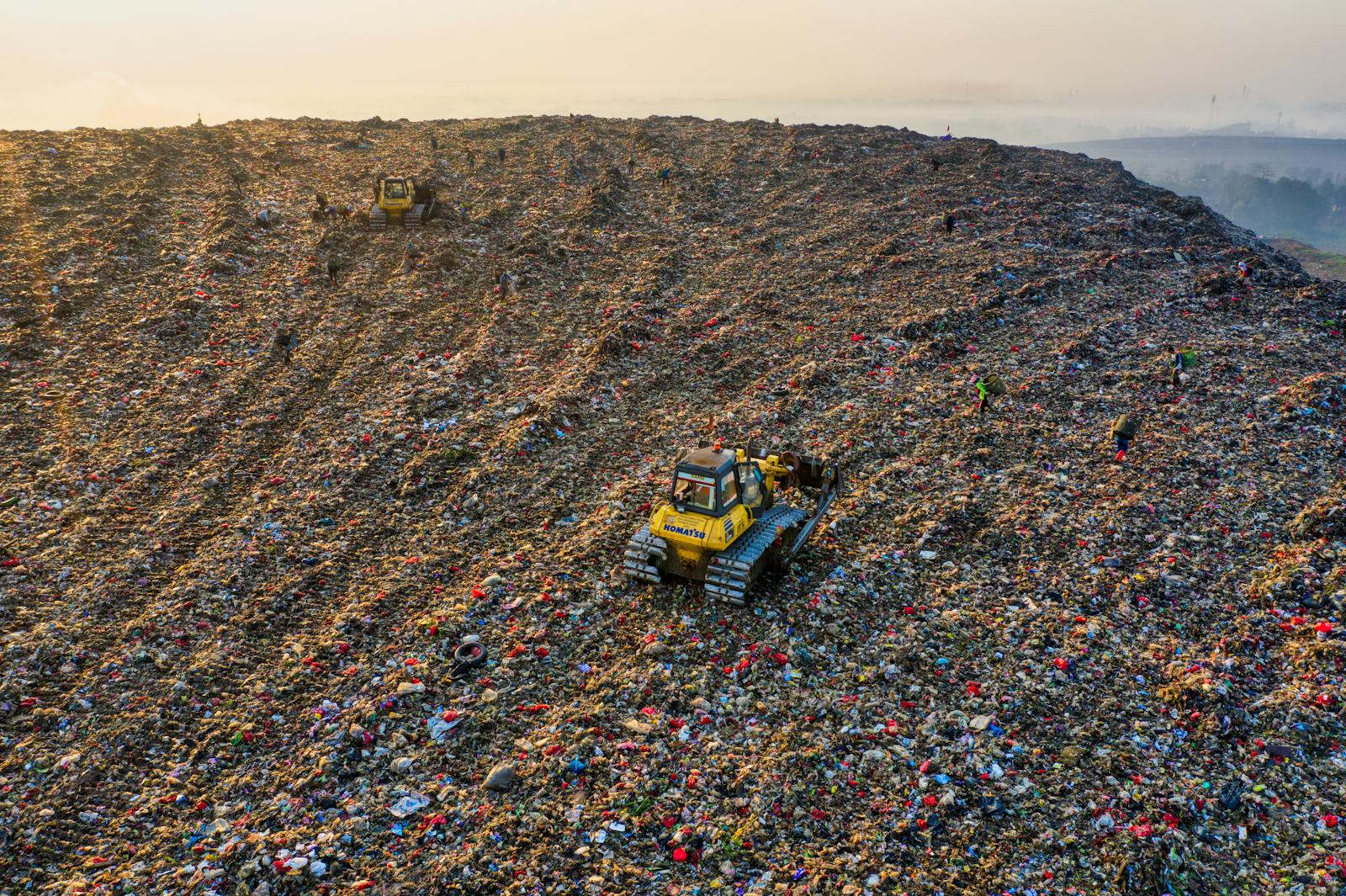
Whether it is good news or bad news for the environment, the world’s largest garbage dumps are not on land — they are in the ocean. Attempts have already been made to clean them up, but so far, none have succeeded.
According to Ocean Cleanup, an estimated 1.15 to 2.41 million tonnes of plastic enter the ocean each year from rivers, and more than half of this plastic is less dense than water, meaning it will not sink once it reaches the sea. The largest of these accumulations, the Great Pacific Garbage Patch, is twice the size of Texas. One primary reason these patches grow so large is that most of the material is plastic, which tends to float.
These areas, known as gyres, are not made up of plastic alone. According to the NOAA, “Garbage patches are large areas of the ocean where litter, fishing gear, and other debris — known as marine debris — collects.” The agency has identified five such gyres.
Efforts to clean up these dumps have proven largely futile. The U.S. Fish & Wildlife Service notes that humans cannot remove garbage faster than it accumulates.
These patches also pose serious dangers to sea life and, ultimately, to humans. As Clean Water Action explains, plastic debris in the ocean injures and kills fish, seabirds, and marine mammals, having impacted at least 267 species worldwide — including 86% of all sea turtle species, 44% of all seabird species, and 43% of all marine mammal species.
Many of these species are part of the human food chain, which helps explain why human bodies now carry micro- and nanoplastics, both of which present health risks. A research paper titled “Review of Mechanisms and Impacts of Nanoplastic Toxicity in Aquatic Organisms and Potential Impacts on Human Health” found that nanoplastics “pose significant risks to both aquatic ecosystems and human health due to their ability to bioaccumulate in marine organisms and biomagnify through the food web.” The effects can include inflammation and DNA damage.
The largest offshore accumulations — known as ocean garbage patches or plastic accumulation zones — are five massive formations found in the world’s subtropical ocean gyres. These concentrations consist largely of microplastics and larger debris such as fishing nets.
Below are the top five patches ranked by size and mass, based on recent estimates from sources including The Ocean Cleanup, NOAA, and peer-reviewed scientific studies.
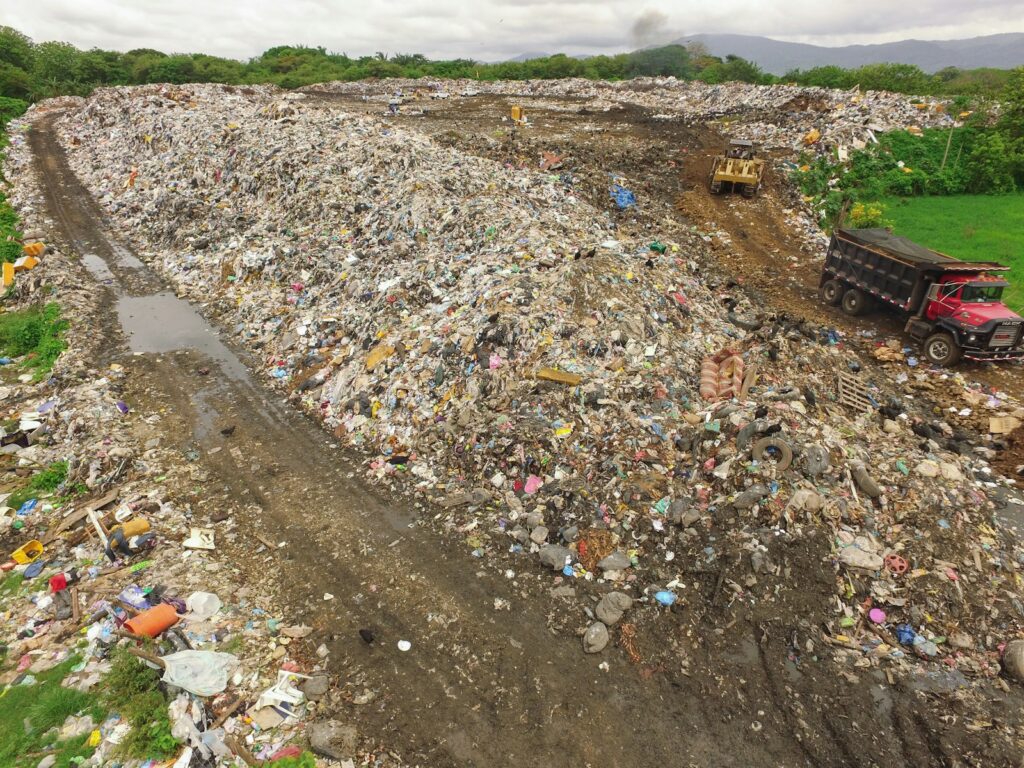
1. Great Pacific Garbage Patch (GPGP / North Pacific Gyre)
- Location: Between Hawaii and California (North Pacific Subtropical Gyre)
- Size: 1.6 million square kilometers
- Plastic mass: Estimated 80,000–100,000 metric tons (some estimates reach up to 129,000 tons; the midpoint is often cited around 100,000 tonnes)
- Piece count: Approximately 1.8 trillion pieces; microplastics dominate by number, while fishing nets and larger debris account for roughly 46% of total mass by weight
- Why it’s the largest: It far exceeds all others in both area and total plastic load. It is the most studied patch, confirmed as the largest through The Ocean Cleanup’s ongoing expeditions and modeling. By late 2024 and into 2025, cleanup efforts had removed over one million pounds — approximately 0.5% of the total.
2. South Pacific Garbage Patch
- Location: Midway between Australia and South America (South Pacific Gyre)
- Size: Estimates vary widely, ranging from roughly 1 to 2.6 million square kilometers, though it is less densely concentrated than the GPGP
- Plastic mass: Significantly lower than the GPGP; particle density is approximately 396,000 pieces per 0.75 square kilometers at its center
- Notes: Discovered around 2011, later than the others
3. Indian Ocean Garbage Patch
- Location: East of South Africa (Indian Ocean Gyre)
- Size: Estimates range from approximately 0.7 to 5 million square kilometers
- Plastic mass: Lower than the Pacific patches; particularly associated with impacts on sea turtles and seabirds
- Notes: Often linked to debris originating from Southeast Asia and surrounding regions
4. North Atlantic Garbage Patch
- Location: Between North America and Africa and Europe (North Atlantic Gyre)
- Size: Hundreds to thousands of kilometers across
- Plastic mass: Smaller overall than the Pacific patches
- Notes: Significant, though not as large as its Pacific counterparts
5. South Atlantic Garbage Patch
- Location: Between eastern South America and southern Africa (South Atlantic Gyre)
- Size: Approximately 276,000–715,000 square kilometers
- Plastic mass: Estimated around 2,860 tons, with a density of approximately 40,000 pieces per square kilometer
- Notes: The least documented and smallest by most measures
It is worth noting that all five gyres are dynamic — their sizes shift with ocean currents and winds, and their exact boundaries are difficult to precisely determine.