As US Sales fall, These Countries Lead the EV Transition
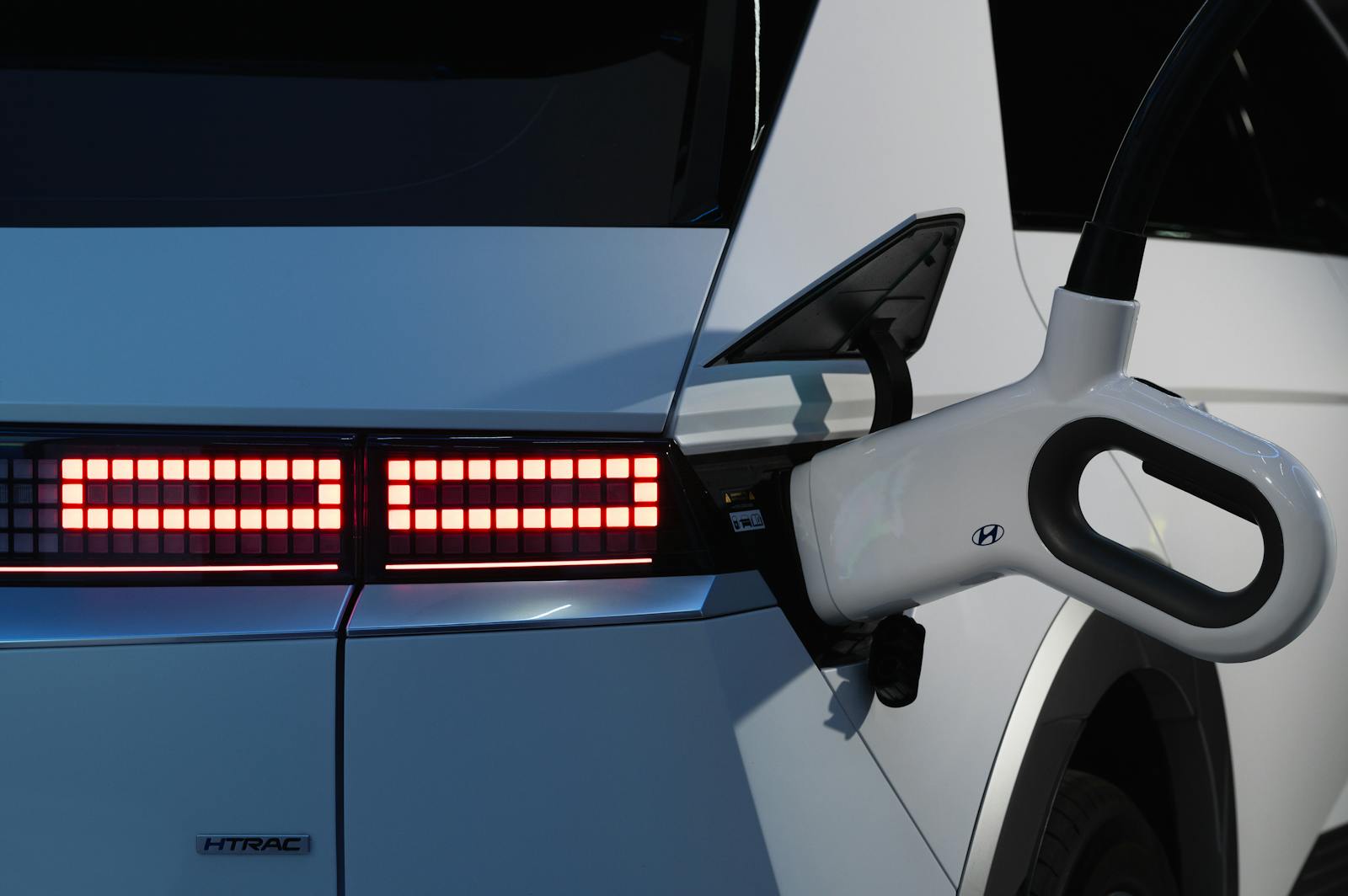
In 2025, electric vehicle sales fell year-over-year in the U.S. for the first time in over half a decade. Due largely to the Trump administration’s termination of tax incentives for EV buyers, Americans bought fewer than 1.3 million EVs in 2025, 2% fewer than in 2024. If, and to what extent, domestic EV sales rebound in 2026 remains to be seen – but despite the decline, sales data shows that the EV adoption in the U.S. has been faster than in much of the rest of the world.
According to the International Energy Agency, there were 11.2 EVs sold for every 1,000 people in the U.S. between 2020 and 2024 – well above the global average of 4.2 per 1,000. Still, when it comes to consumer demand for EVs, the U.S. lags far behind many other countries.
Using data from the IEA, Climate Crisis 247 identified the countries leading the EV transition. We ranked all 53 countries with available data on cumulative EV unit sales from 2020 through 2024, adjusted for population. Supplemental data on population and carbon emissions from transportation are from the World Bank. Additional data on the number of public EV charging points in 2024 are from the EIA.
Each of the 10 countries on this list are in Europe. Among them, five-year EV sales range from 19.2 to 96.4 for every 1,000 people. World-leading EV sales volume in these places may be due in part to strong EV charging infrastructure. In each country on this list, there are more public charging points per EV than there are in the United States.
10. Austria
- Adjusted EV sales volume, 2020-2024: 19.2 per 1,000
- Total EV sales volume, 2020-2024: 176,000 (0.5% of global sales)
- Public EV infrastructure: N/A
- Carbon emissions from transportation: 20.0 million tons (0.2% of global transit emissions)
- Population: 9,177,982 (0.1% of global population)
9. Switzerland
- Adjusted EV sales volume, 2020-2024: 21.2 per 1,000
- Total EV sales volume, 2020-2024: 191,000 (0.6% of global sales)
- Public EV infrastructure: 18.6 EVs for every public charging point
- Carbon emissions from transportation: 14.5 million tons (0.2% of global transit emissions)
- Population: 9,005,582 (0.1% of global population)
8. Germany
- Adjusted EV sales volume, 2020-2024: 23.0 per 1,000
- Total EV sales volume, 2020-2024: 1,920,000 (5.6% of global sales)
- Public EV infrastructure: 20.5 EVs for every public charging point
- Carbon emissions from transportation: 138.0 million tons (1.7% of global transit emissions)
- Population: 83,516,593 (1.0% of global population)

7. Netherlands
- Adjusted EV sales volume, 2020-2024: 24.9 per 1,000
- Total EV sales volume, 2020-2024: 448,000 (1.3% of global sales)
- Public EV infrastructure: 5.5 EVs for every public charging point
- Carbon emissions from transportation: 24.4 million tons (0.3% of global transit emissions)
- Population: 17,993,485 (0.2% of global population)
6. Belgium
- Adjusted EV sales volume, 2020-2024: 25.2 per 1,000
- Total EV sales volume, 2020-2024: 299,000 (0.9% of global sales)
- Public EV infrastructure: 9.1 EVs for every public charging point
- Carbon emissions from transportation: 23.9 million tons (0.3% of global transit emissions)
- Population: 11,858,610 (0.1% of global population)
5. Sweden
- Adjusted EV sales volume, 2020-2024: 36.4 per 1,000
- Total EV sales volume, 2020-2024: 385,000 (1.1% of global sales)
- Public EV infrastructure: 15.6 EVs for every public charging point
- Carbon emissions from transportation: 14.4 million tons (0.2% of global transit emissions)
- Population: 10,569,709 (0.1% of global population)
4. Denmark
- Adjusted EV sales volume, 2020-2024: 37.1 per 1,000
- Total EV sales volume, 2020-2024: 222,000 (0.6% of global sales)
- Public EV infrastructure: 14.4 EVs for every public charging point
- Carbon emissions from transportation: 11.3 million tons (0.1% of global transit emissions)
- Population: 5,976,992 (0.1% of global population)
3. Luxembourg
- Adjusted EV sales volume, 2020-2024: 55.4 per 1,000
- Total EV sales volume, 2020-2024: 37,500 (0.1% of global sales)
- Public EV infrastructure: N/A
- Carbon emissions from transportation: 4.3 million tons (0.1% of global transit emissions)
- Population: 677,012 (0.01% of global population)
2. Iceland
- Adjusted EV sales volume, 2020-2024: 68.0 per 1,000
- Total EV sales volume, 2020-2024: 26,300 (0.1% of global sales)
- Public EV infrastructure: 18 EVs for every public charging point
- Carbon emissions from transportation: 1.0 million tons (0.01% of global transit emissions)
- Population: 386,506 (0.005% of global population)
1. Norway
- Adjusted EV sales volume, 2020-2024: 96.4 per 1,000
- Total EV sales volume, 2020-2024: 537,000 (1.6% of global sales)
- Public EV infrastructure: 32.1 EVs for every public charging point
- Carbon emissions from transportation: 12.8 million tons (0.2% of global transit emissions)
- Population: 5,572,279 (0.1% of global population)
More from ClimateCrisis 247
- 10 US Cities Where August Heat Smashed Historical Records
- Trump Doubles Down on Climate Denial With Plan to Repeal Power Plant Rules
- Regions in the U.S. Where Heat-Related ER Visits Are Most Common
- Since 2000, Which Years Had Zero Hurricanes Hit the U.S.?