The Scams and Red Flags Homeowners Need to Know About Solar Power
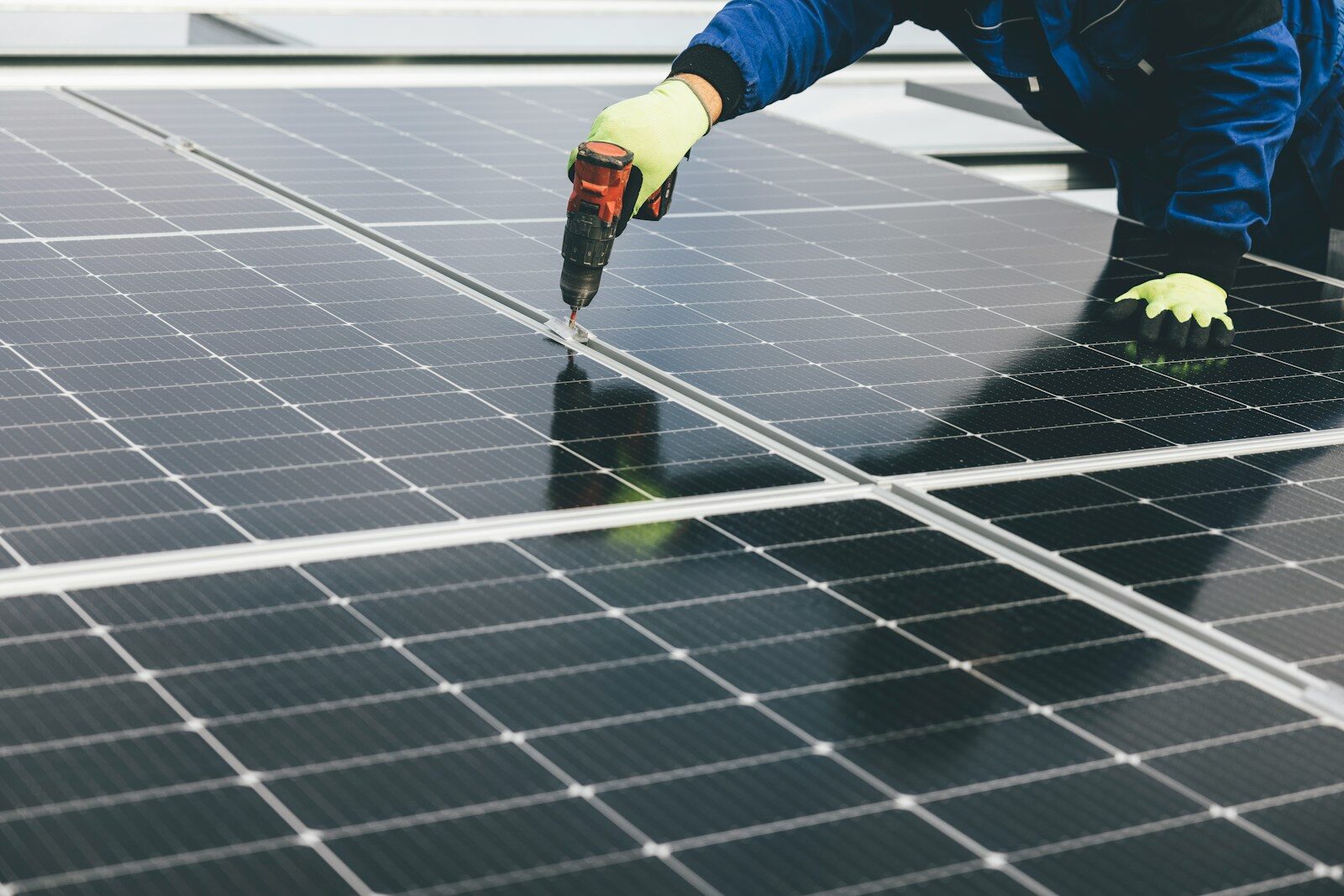
According to Harvard Business School, roughly 100 solar energy companies have gone bankrupt in recent years. While the reasons vary, the industry’s problems tend to fall into a few recurring categories. As the school explains, the U.S. residential solar boom is slowing because higher interest rates and reduced subsidies have exposed a deeper reality: rooftop solar depends less on energy demand than on housing, credit, and financing.
The Solar Energy Industries Association reports that the United States surpassed 6 million solar installations in 2026—just two years after reaching 5 million. But the association’s data also show that growth collapsed in late 2022 and early 2023. Over the past three years, several states have scaled back incentives, and the Trump administration ended the 30% federal tax credit for residential solar installations. Solar remains a relatively inexpensive source of residential electricity, though costs vary widely by state.
Homeowners who install solar panels are often vulnerable to deception at specific points in the process. Knowing where these pitfalls occur can help buyers protect themselves.
Deceptive Sales Tactics
Door-to-door sales pitches are a common source of misleading claims. The Better Business Bureau warns homeowners to scrutinize unexpected solar offers—especially ones that tout federal tax breaks, advertise “free solar panels,” or promise that monthly electric bills will drop to nothing.
Another common trick involves salespeople falsely claiming to represent a utility company or government agency. The FTC notes that these scams typically involve someone posing as a government or utility representative who promises major savings from solar panels or other energy-efficiency upgrades.
Unrealistic savings projections are another red flag. According to Solar.com, this tactic works in part because many homeowners haven’t researched their actual energy costs closely enough to spot inflated claims. Some pitches go further, forecasting future savings based on assumed future rate increases—a claim that can sound convincing given how quickly utility rates have been rising, partly due to demand from AI data centers.
It’s also worth noting that not every home is well suited to solar. Effectiveness depends on roof shape, sun exposure, and the square footage available for panels.
Financing and Ownership Confusion
The Consumer Financial Protection Bureau has flagged another risk: the rapid growth of nonbank lenders partnering with solar salespeople, which the CFPB says raises the potential for illegal practices and consumer harm. These loans often carry hidden fees unrelated to the purchase itself, and some include interest rates or payments that increase annually over the loan’s term.
Many homeowners also don’t fully understand who owns or maintains their solar equipment—or whether they own it at all. Power Purchase Agreements (PPAs) are often the source of this confusion. As the U.S. Department of Energy’s Better Buildings program explains, a PPA is an arrangement in which a third-party developer installs, owns, and operates the energy system, while the homeowner simply purchases the electricity it produces for a set period. Salespeople can obscure who that third party actually is and what rights they hold relative to the homeowner. This confusion often resurfaces when a home is bought or sold, particularly depending on how much time remains on the PPA contract.
Tax credit misinformation is another issue. Although the federal tax credit for residential solar has expired, not all consumers know this. Some salespeople still claim the credit is active, or falsely suggest that state or local credits are available—sometimes misrepresenting how long those credits last.
Warranty Gaps
Warranty coverage is another area where confusion is common. Workmanship guarantees can differ dramatically from panel and hardware warranties. Installation warranties may last only two years or less, while panel warranties often extend to 25 years. Some homeowners may be comfortable with this gap, but many don’t realize the added costs it can create—particularly since installation warranties typically don’t cover cases where the installer goes out of business.
The pace of home solar adoption has slowed in recent years. However, if oil and gas prices remain elevated due to constrained supply, that trend could shift again this year.
More from ClimateCrisis 247
- The 10 Most Sustainable Countries In The World
- States Where Tax Payers Will Pay The Most for Rising Sea Levels
- The 10 Least Sustainable Countries In The World
- The Worst Back-to-Back Hurricanes in US History