Most Catastrophic Blizzards In New York’s History
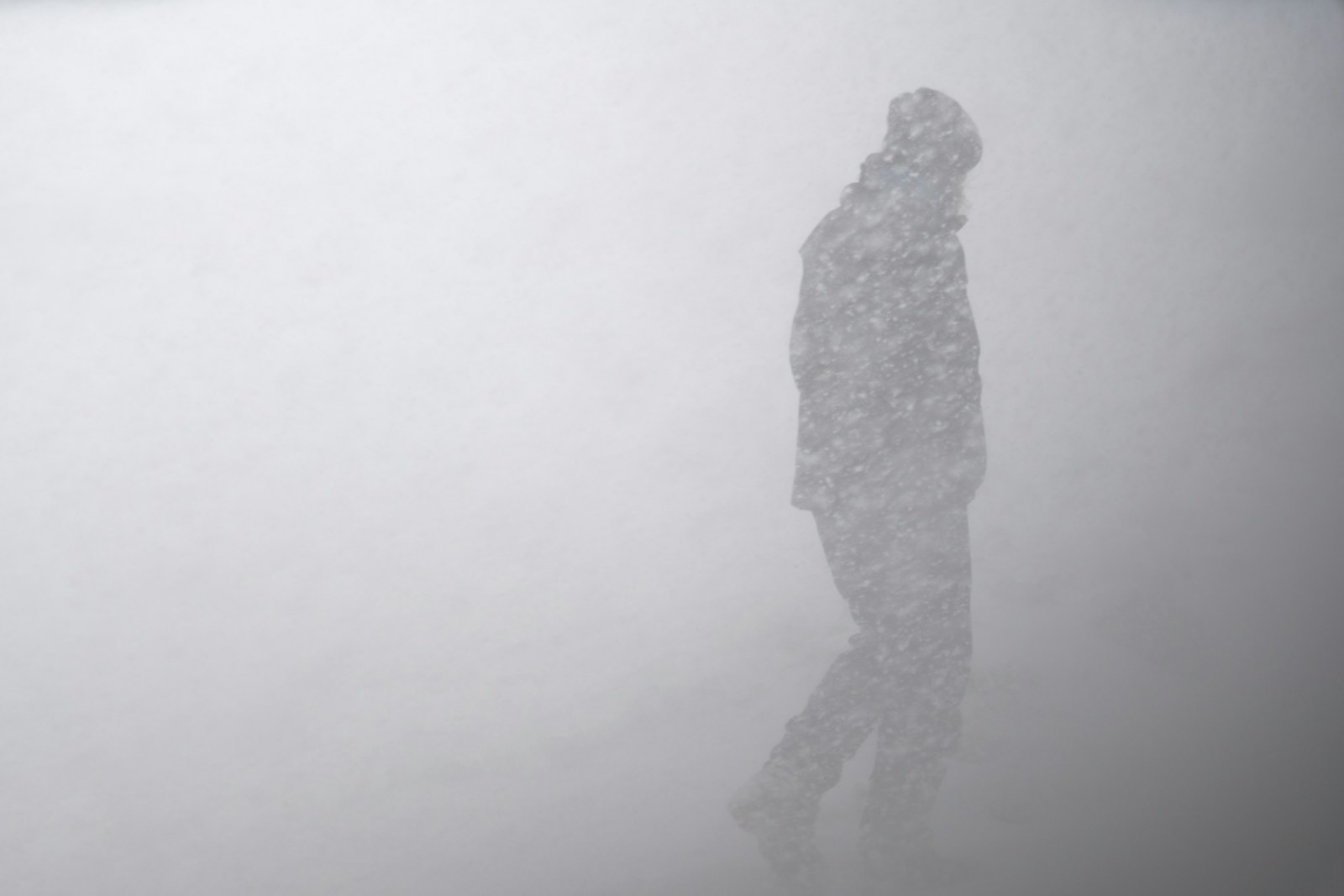
A massive storm system traversed most of the US over the past four days, affecting 150 million people across a 2,000-mile span. New York City received about a foot of snow, while some nearby suburbs were hit with 18 inches. The New York Post reports, “All told, the storm will stretch across a 2,300-mile path covering more than 40 states from the Southwest into New England, delivering a blend of harsh winter weather impacts.”
Two factors worsened this year’s storm. Snow transitioned to sleet and freezing rain around nightfall on Sunday, while temperatures plummeted below 20 degrees. They’re expected to remain low throughout the week, with wind chills dropping below 10 degrees during the day and reaching zero at night. According to the National Weather Center, “Both freezing rain and sleet occur by the same general process: liquid raindrops in a layer of warm air well above the surface fall into a layer of freezing air hugging the ground. The difference between these two wintry precipitation types depends on the thickness of the layer of freezing air.”
By historical standards, the current storm won’t rank among New York City’s worst blizzards. Climatecrisis247 compiled data on NYC snowstorms, using snowfall measurements from Manhattan’s Central Park as the primary metric. This weather station is among the nation’s most famous. According to Fox Weather, “On May 5, 1869, legislation was passed in New York state that authorized the construction and maintenance of a full weather observatory in Central Park, in addition to the Museum of Natural History and an astronomical observatory.” Consequently, the historical record of New York storms begins that year.
Many of these blizzards were part of larger, named US winter storms, and those names and overall storm sizes are included where applicable.
January 22–24, 2016 (Blizzard Jonas): 27.5 inches
This storm holds the all-time record for Central Park, causing massive disruptions across the Northeast. The Weather Channel reports that Winter Storm Jonas produced snowfall totaling nearly 42 inches in parts of West Virginia, with at least 14 states receiving more than a foot of snow.
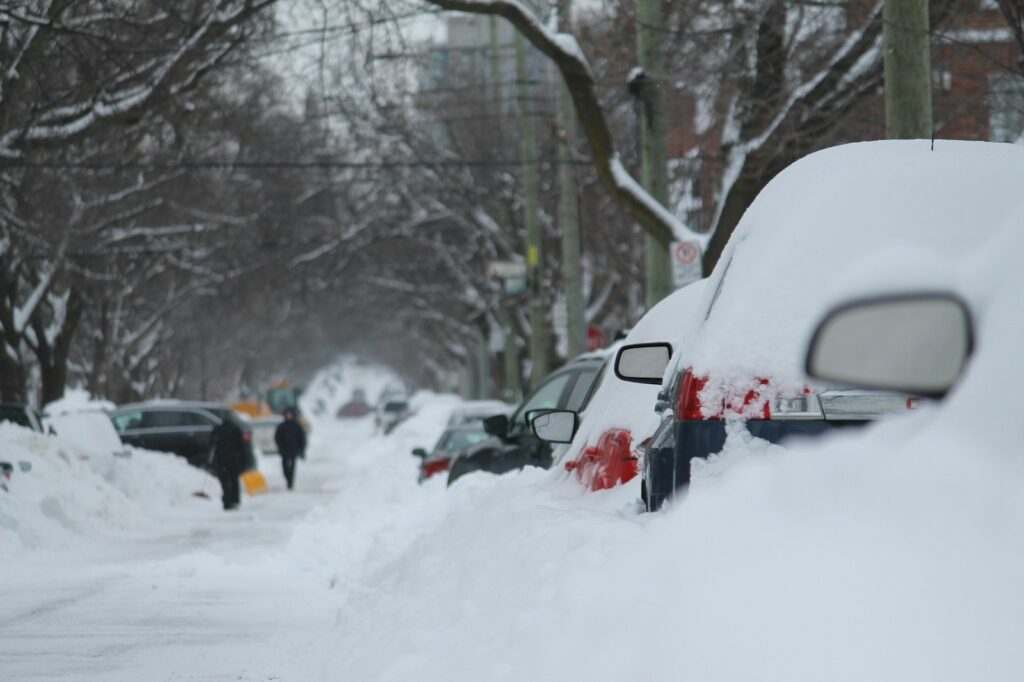
February 11–12, 2006 (Northeast Blizzard): 26.9 inches
One of the most intense modern storms, this nor’easter brought rapid accumulation and high winds that paralyzed the city.
December 26–27, 1947 (Great Blizzard of 1947): 26.4 inches
This post-Christmas blizzard dumped deep snow with massive drifts. According to Baruch, “NYC’s transportation systems were devastated, cars and buses were stranded in the streets and train stations faced delays of up to 12 hours.”
March 11–14, 1888 (Great Blizzard of 1888 / Great White Hurricane): 21.0 inches
The deadliest winter weather event in U.S. history killed approximately 400 people nationwide and more than 100 in NYC. City wind speeds exceeded 50 mph, and drifts rose as high as 50 feet. Weather Underground notes it was “the deadliest, snowiest, and most unusual winter storm in American annals. No storm of similar magnitude has occurred anywhere in the contiguous United States since.”
January 7–8, 1996 (Blizzard of ’96): 20.0 inches
A severe early-year storm with widespread effects across the Northeast.
February 5–7, 2021 (Winter Storm Orlena): 18–20 inches
Part of a multi-day event with heavy snow and cold in some NYC sections. The Weather Channel reports that Winter Storm Orlena “hammered parts of the mountain West, Midwest and Northeast with heavy snow and strong winds from late January into early February.”
December 25–28, 1969: 15–20 inches
A Christmas-week storm that brought heavy, wet snow to NYC.
January 26–27, 1905: Approximately 20 inches in Central Park
Some NYC-area reports recorded 20–30 inches during this event.
February 1899 (Great Arctic Outbreak Blizzard): Around 20 inches
Part of a historic cold wave with notable snowfall. Accuweather describes it as “one of the worst blizzards in U.S. history,” infamous not only for dumping nearly a yard of snow in the mid-Atlantic but also for extreme cold that included sub-zero temperatures in Florida—conditions that have yet to be repeated.
March 12–14, 1956: 18–20 inches
A classic mid-March storm that blanketed NYC.