Phoenix May Be Uninhabitable In 20 Years

Over the last decade, it has been over 110 degrees F for 385 days. That is more days than there are in a single year (365).
The trajectory of 110-degree days is mostly upward. The average per year was 25 from 2015 through 2018. More recently, the figure has surged. In 2023, there were 55. In 2024, the city set a single-year record of 70. Last year, the figure was 37. This year there have been several over 100. However, the first day of Spring was two days ago. Phoenix just hit 105 on the earliest day in any year of its history.
Climate change is a primary cause of the upward swing that has been costly in terms of money, human health, and human lives. According to Climate Check, ‘The latest Intergovernmental Panel on Climate Change report states: “If global emissions continue at current rates, the remaining carbon budget for keeping warming to 1.5ºC will likely be exhausted before 2030.”’ The study adds, to make matters worse, “Risks from extreme heat, drought, flood, and fire are all increasing for Phoenix. Maricopa County, home to Phoenix, is one of six counties in Arizona at risk of becoming uninhabitable to humans in the next 20 to 40 years.”
These heat days trigger consequences that are harder and harder to solve. One aspect of this is that AC use will soar. AC is powered by electricity. And, in most cases, that means fossil fuels. How much does air consciousness cost in Phoenix? “A 3-ton AC unit (common for 1,500–2,000 sq. ft. homes) can cost $100–$300/month to operate during peak summer,” according to Einstein Phoenix. That is a large dollar amount compared to the rent many people in the area pay.
One cost is treating those with heat-related illnesses. By one estimate, emergency room visits double during extreme heat periods. According to the Maricopa County Human Services Department, “The total operating cost of the Heat Relief IGAs for 2023 (including both Fiscal Years 2022-23 and Fiscal Years 2023-24) was $1,755,088.” The county is where Phoenix is located.
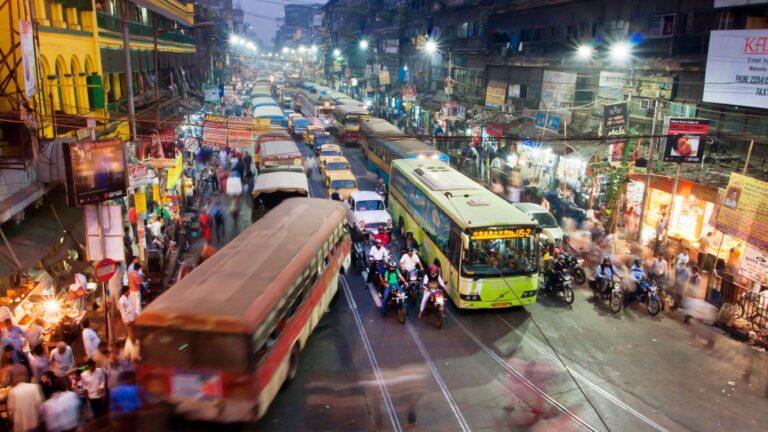
Finally, the largest challenge, both logistically and in dollars, is what is known as climate mitigation. As climate makes parts of the world uninhabitable, where do the people from those regions go? This is not just a Phoenix problem. For example, Delhi, in India, has almost 20 million residents. There, temperatures above 100 degrees are coupled with some of the worst air pollution in the world. People with certain illnesses need to leave the city now