Places In The World Running Out Of Water, According To The UN
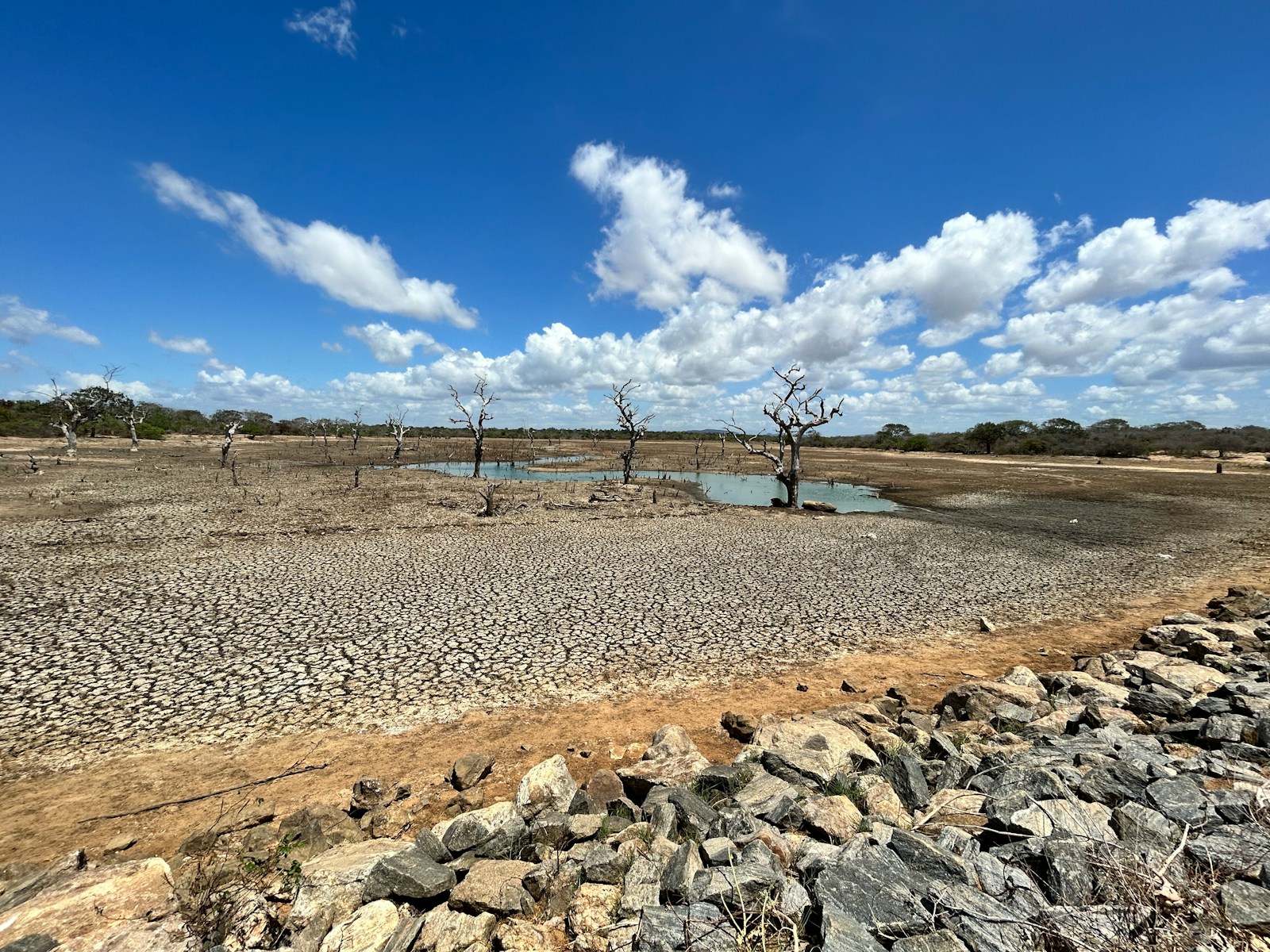
According to the Global Water Bankruptcy Report 2026 (UNU-INWEH), the world has entered an era in which many water systems exist in a state of “water bankruptcy”—used well beyond what nature can sustainably replenish, with many changes now irreversible on human timescales.
While the report’s authors say there is some hope that this global problem will not worsen, time is critically short, and management must be both multifaceted and immediate. “That means confronting overshoot with transparent water accounting, enforceable limits, and protection of the water-related natural capital that produces and stores water—aquifers, wetlands, soils, rivers, and glaciers—while ensuring transitions are explicitly equity-oriented and protect vulnerable communities and livelihoods.”
Climatecrisis247 examined the report to identify locations where intervention is too late. These locations are not confined to one region of the world but span from the US to Iran to South Africa—evidence that the disaster is, indeed, global.
The report highlights numerous specific places, regions, river basins, aquifers, lakes, and cities that are running out of water, including those experiencing severe depletion, disappearing water surfaces, or systemic water failure.
The report reveals that over two-thirds of major aquifers worldwide are in long-term decline, and more than 50% of major lakes have lost water since the early 1990s.
A surprisingly large number of American rivers and lakes appear on the list. Among the most notable is the Great Salt Lake. According to The Salt Lake Tribune in 2024, a 34-page paper by dozens of researchers and activists warned that “excessive water use is destroying Great Salt Lake.” If nothing changed, they predicted the lake would be “on track to disappear in the next five years,” resulting in the spread of “toxic dust” across the region.
Lake Mead’s situation is equally dire. Brookings researchers wrote, “As drought continues to afflict the American West, the dire situation at Lake Mead will continue to have consequences for states like Arizona, California, and Nevada that draw their water supply from Lake Mead.” The lake has reached its lowest level in eight decades.
The problem is even worse in Texas. According to the San Antonio News last week, “On Tuesday, January 13, the city of Corpus Christi announced that water levels at its western water supply—which consists of Lake Corpus Christi and Choke Canyon Reservoir—had plummeted to a combined capacity of just 10%. At the same time, water officials announced that levels in the region’s eastern water supply—Lake Texana and the Lower Colorado River—are also falling fast.”
The most far-reaching problem in the US in terms of scope is the Colorado River, the fifth-longest river in America at over 1,400 miles. According to the US Geological Survey, “Since 2000, the Colorado River Basin has been experiencing a historic, extended drought that has impacted regional water supply and other resources, such as hydropower, recreation, and ecologic services.” Over a 16-year period, it reached its lowest level since measurements began over a century ago.
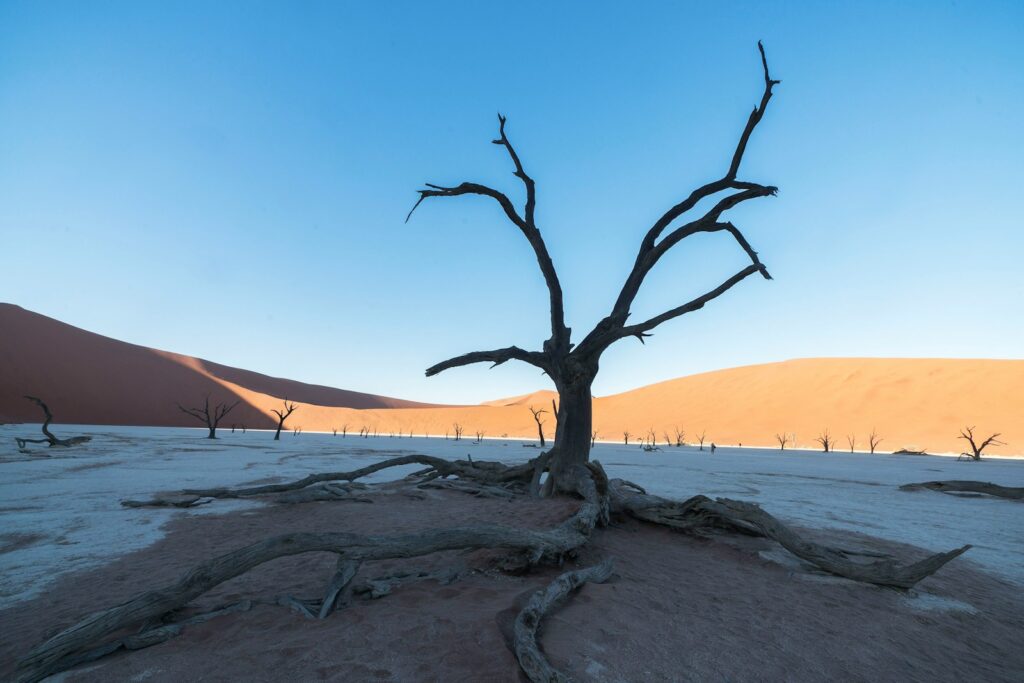
Lakes That Have Dramatically Shrunk
- Lake Urmia (Iran) — almost completely dried up
- Aral Sea (Kazakhstan / Uzbekistan) — one of the most famous examples of massive shrinkage
- Dead Sea (Jordan / Israel / West Bank of Palestine) — significant long-term shrinkage
- Great Salt Lake (United States — Utah)
- Lake Mead (United States — Colorado River reservoir, near lowest levels in history)
- Lonar Lake (west-central India)
- Puzhal / Red Hills Lake (India)
- Lake Corpus Christi (Texas, United States)
- Theewaterskloof Reservoir (Cape Town, South Africa region)
River Basins & Rivers Severely Over-Allocated or Failing to Reach the Ocean
- Colorado River basin (United States — Southwest)
- Indus River basin (South and Central Asia)
- Yellow River basin (China)
- Tigris–Euphrates basin (Iraq / Turkey / Syria / Iran)
- Murray–Darling basin (Australia)
- São Francisco basin (Brazil)
- Jordan River (Jordan, Syria, Israel, and Palestine)
- Zayandeh-Rud River basin (Isfahan, Iran)
Cities / Urban Areas Facing Repeated Crises or Severe Depletion
- Cape Town (South Africa) — famous “Day Zero” risk
- Chennai (India) — repeated severe shortages
- São Paulo (Brazil)
- Tehran (Iran)
- Monterrey (Mexico) — reservoirs almost empty
- Las Vegas area (United States — heavily dependent on shrinking Lake Mead)
- Isfahan (Iran — Zayandeh-Rud basin)
- Kabul (Afghanistan) — widely feared to be the first major modern capital to completely run out of water