Places Where Humans May Not Be Able to Live by the End of This Century
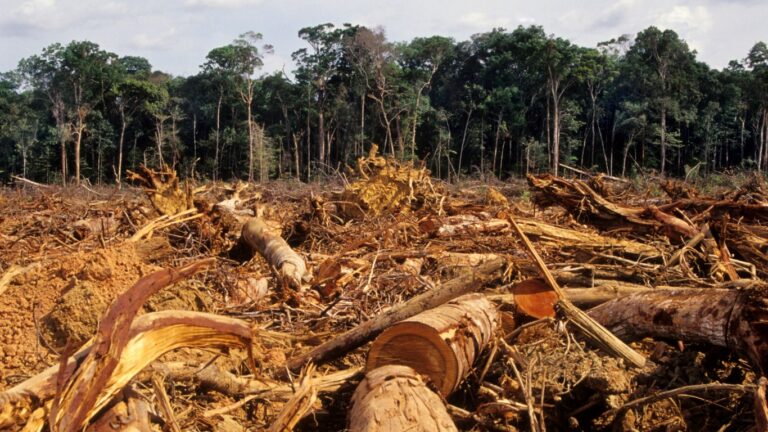
There are places on Earth where humans can barely live now. Many of the conditions causing these problems have existed for decades, and as global warming heats the planet, the list keeps growing. It isn’t just the heat that makes these places hostile. Some face permanent drought. In others, the sea is rising fast enough to push populations inland, and storm surges are severe enough that parts of these regions will be underwater much of the year.
In central Australia, there are small mining towns where people live underground for much of the summer. Coober Pedy is set up so residents can spend most of the day below the surface, with air pumped in through special conduits. Surface temperatures can reach 120°F and stay there for several days. People still live there only because some local mines remain profitable.
In Somalia, drought has driven six million people from their homes—as much as 30% of the population in some parts of the country. After four years of extreme drought and sweltering heat, those who have left have no hope their farms can be restored. They are now permanent refugees.
Karachi, the financial capital of Pakistan, has sections of the city that are almost permanently underwater, a condition that monsoons have made nearly constant. People in the metro area have largely abandoned these neighborhoods, since they can no longer support daily life, and moved further inland.
These climate catastrophes are just a few examples of places where people can barely live now and, within a few decades, won’t be able to live at all. Some of these places may eventually be in the United States. Forecasts suggest that by 2060, large portions of Miami will be flooded most of the year.
Below are places where the climate will become so hostile that they won’t be able to support human life within the next 50 years. One caveat: in theory, people may be able to stay in some of these places for a month or two a year. But the chances that populations will remain long-term are close to zero.
It’s also worth noting that in some of these places, the affluent may be able to remain, since they can afford protections like air conditioning. But widespread poverty means only a small fraction of the population will have that option.
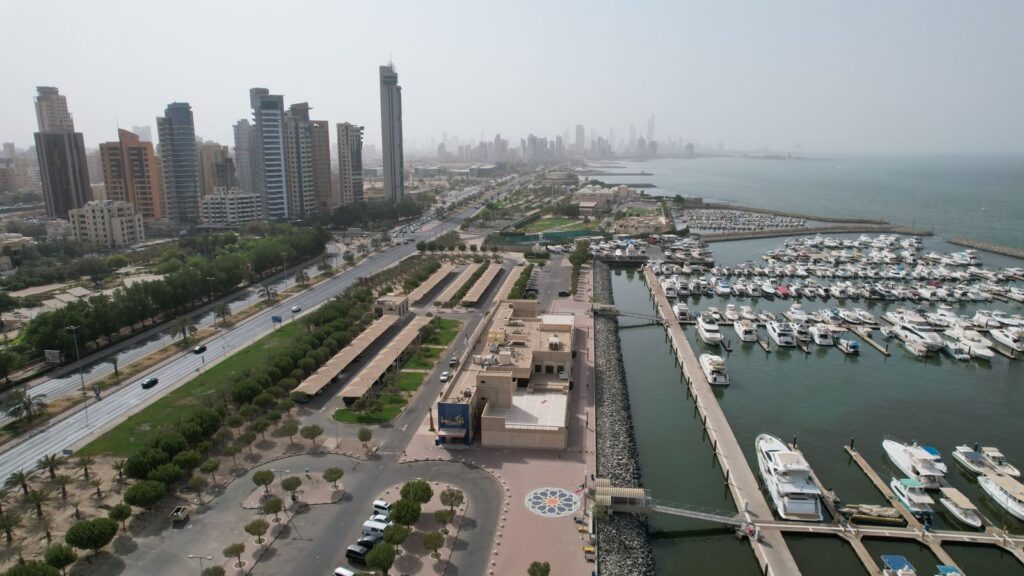
Persian Gulf Coast (Kuwait, Qatar, UAE, southern Iran, Bahrain)
Temperatures here regularly climb well above 100°F, and combined with high humidity, they produce dangerous “wet-bulb” conditions. (Wet-bulb temperature is the lowest temperature air can reach through evaporative cooling, once it becomes fully saturated with moisture.) These conditions can make outdoor exposure lethal within hours. Air conditioning is essential for survival, but much of the population is too poor to afford it, so only a small percentage of people have access.
South Asia’s Indus and Ganges Plains (Pakistan, northern India, Bangladesh)
The wet-bulb heat danger here is similar to that of the Persian Gulf, but it affects hundreds of millions of people, and poverty is widespread. Melting Himalayan glaciers are disrupting river flow in parts of the region, while unpredictable monsoons trigger severe, unexpected flooding. At the same time, some areas face serious groundwater shortages. In Bangladesh, sea-level rise and increasingly powerful cyclones leave parts of the country flooded for most of the year.
Sub-Saharan Sahel Belt
Desertification and rainfall measured in mere fractions of an inch per year have created an impossible situation. Lake Chad has shrunk by more than 90% since the 1960s. Combined with rapid population growth—from the tens of millions in that era—the resulting drought has collapsed local agriculture, leaving it unable to support current populations.
Low-Lying Island Nations and Delta Cities
This includes Tuvalu, a country in the west-central Pacific Ocean, as well as Vietnam’s Mekong Delta and Egypt’s Nile Delta.
Coastal Megacities at Risk of Sudden, Severe Flooding
This includes Jakarta, Lagos, parts of Miami and Houston, and Ho Chi Minh City. Jakarta is sinking due to groundwater extraction—pumping water from underground aquifers through drilled wells—even as sea levels rise around it. Indonesia is already building a new capital partly because of this problem. Engineers may be able to solve it in wealthier nations, but poorer countries often lack the capital to do so.
US Southwest and Northern Mexico
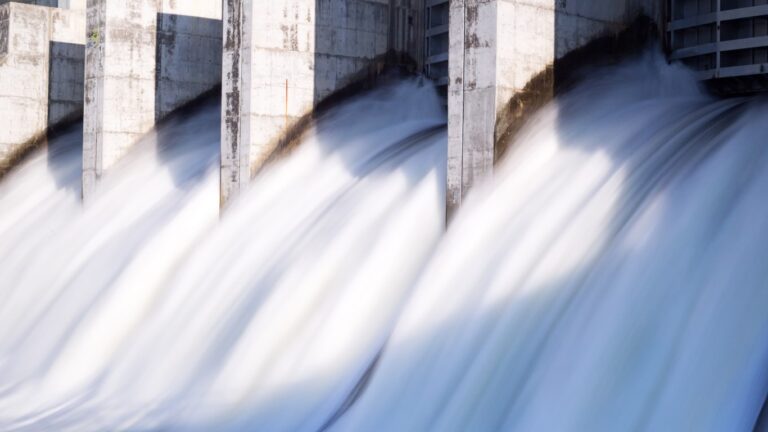
Phoenix and Las Vegas face a combined water-supply and heat-stress crisis, driven by falling water levels in Lake Mead and Lake Powell within the Colorado River system. As hydroelectric output from the dams that rely on these reservoirs declines, it may become impossible to keep all homes adequately cooled.
More from ClimateCrisis 247
- Is coal really making a comeback?
- States With the Deadliest Tornadoes Since 1950
- The Driest Places in America This Year
- Due to Low Sales, These Are The EVs That Disappeared This Year