States Where Nobody Owns An EV
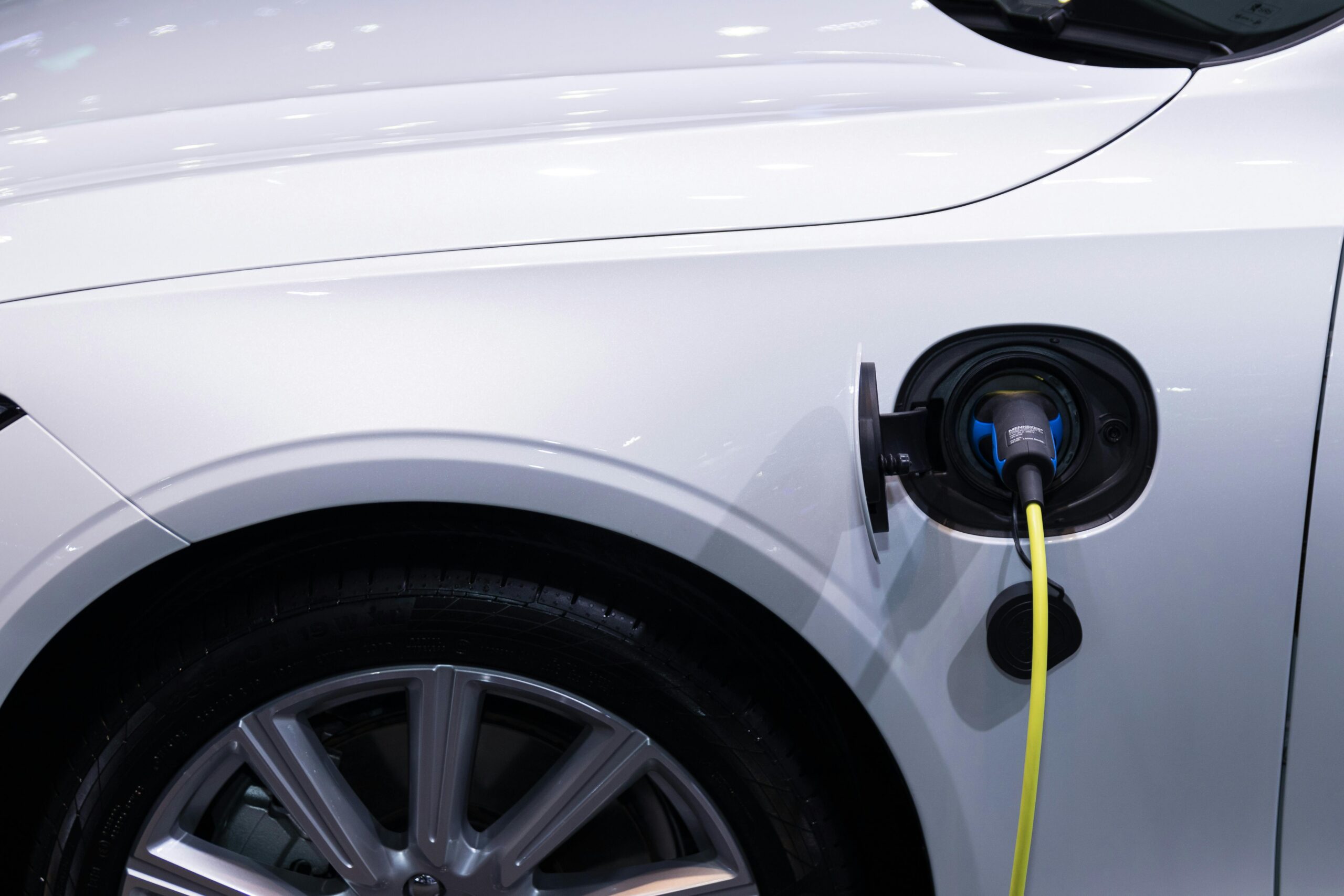
The move to increase the sales of EVs has faltered badly. There was once a point when the car companies believed they would be able to sell 50% of their new vehicles as EVs by 2030. President Biden kicked off the initiative and set an ambitious goal. He said, “Despite pioneering the technology, the U.S. is behind in the race to manufacture these vehicles and the batteries that go in them. Today, the U.S. market share of electric vehicle sales is only one-third that of the Chinese electric vehicle market.” The President offered a correct view into the future. The Chinese car market is the largest EV market in the world by far. In some European nations, EVs outsell gas powered (internal combustion engines). In Norway, for example, the figure is almost 100%. Reuters wrote, “Driven by tax incentives, 95.9% of all new cars registered in Norway in 2025 were EVs, with that number at almost 98% in December. “
Tesla rewrote the book on US car sales when it released its Model S sedan in 2012. (Tesla recently discontinued the Model S because a high MSRP kept unit sales low). Detroit and legacy car companies from outside the US believed they could match Tesla’s success. Manufacturer after manufacturer, each made investments into the billions of dollars. Not a single of these companies made money in EVs. Writeoff rose into the tens of billions of dollars last year.
Incentives were considered by many to be critical to the growth of EV sales in the US. The federal tax credit for the purchase of many EVs was $7,500. The Trump Administration killed the inventive as of September 30. Cox Automotive estimated that EV sales as a percentage of new car sales dropped from 10.3% last September to 5.2% in the fourth quarter. PwC said that EV sales as a percent of total new US car sales would only be 19% by 2030
Other than the end of the tax credit, EVs were up against several hurdles. EVs, on average, cost more than new gas powered cars. Kelley Blue Book put the price of a new EV in the middle of last year at $57,245. The average among all cars at the same time was $49,077.
Consumers were also worried about the range of an EV. In 2024, the average range of an EV with a full change was 283 miles according to the Department of Energy Other consumers were not confident that there were enough public chargers.
Nevertheless, EVs did well in some markets, and none was better than California. EVs as a percentage of new car sales were nearly 30% in the second quarter of last year. This has been attributed to a strong charging station network tax incentives, and an effort by the state government to force car companies to offer low mileage cars.
There are some states where almost no one buys an EV. Based on data from A1 Auto Transport, a U.S.-based vehicle shipping and logistics provider, in some states gas powered car sales are about 90% of all cars on the road. Another analysis by the Alliance of Automotive Innovation puts the numbers in some states even lower. The Alliance puts the market share of EV new car sales to total car sales as low as 2%
ICE Share (%)
- Rhode Island 90.27%
- Connecticut 90.02%
- Hawaii 89.04%
- Pennsylvania 88.75%
- New York 88.64%
- Tennessee 88.58%
- West Virginia 88.57%
- New Jersey 88.52%
- South Carolina 88.44%
- Florida 88.35%
The states with high percentages of car powered cars compared to the total are not concentrated.geographically. Some do, however, have several factors in play. In New York, Rhode Island and Connecticut, there are no state incentives for new car buyers. There has not been any significant effort to fund or underwrite a growth in charging stations. Their rules about emissions follow federal standards. Put simply, the states have done nothing.
Tennessee, South Carolina, and West Virginia have one thing in common: vehicle prices likely affect EV sales. West Virginia is ranked 49th in median household income among all states. Tennessee ranks 41st and South Carolina ranks 40% according to the Census Bureau’s Household Income in States and Metropolitan Areas: 2024 As already stated, EVs are priced about $8,000 more than the average total price of new cars
Additionally, these rural states do not tend to have good changing station networks. Lectron data supports that theory.
Finally, one state is just a mystery. EV sales in Hawaii should tend to be high because of gas prices. However, the population is spread across eight islands, which makes charging station locations a challenge, but that is only a theory.
Among the things that are certain is that when the federal government dropped the $7,500 EV tax credit, sales collapsed. There is no way to guess when they will come back.
Additional research from S&P, Car and Driver, CarEdge, and the EIA
More from ClimateCrisis 247
- States Where Tax Payers Will Pay The Most for Rising Sea Levels
- The 10 Least Sustainable Countries In The World
- The Worst Back-to-Back Hurricanes in US History
- The Deadliest Hurricanes To Hit the US in the last half century