States With the Highest Home Insurance Rates

Many people would not connect climate change to home insurance rates — but they should. Insurance premiums of any kind are based on risk, and some states carry significantly higher risk than others. Those located in regions prone to natural disasters, many of them climate-related, tend to have the highest rates.
Homeowners in areas burned by the LA wildfires can expect to pay considerably more than they did before the fires. Beginning on January 7, 2025, a total of 14 fires burned for over two weeks, driven in their early stages by winds of up to 90 MPH. As PBS reported, the destruction covered 59 square miles — roughly the size of San Francisco — and consumed more than 16,000 structures. In Altadena alone, 9,413 homes, businesses, and other buildings were destroyed; in Pacific Palisades and neighboring areas including Malibu, another 6,833 buildings, mostly homes, were lost. The UN Office for Disaster Risk Reduction put the total cost of the LA wildfires at $53 billion. Residential insurance rates in California have surged in the aftermath.
Florida homeowners have faced similar pressures. Hurricanes Milton and Helene both struck the state’s west coast in the fall of 2024, causing damage in the tens of billions of dollars combined. NBC News highlighted the staggering rise in insurance rates that followed. Climate risk expert Jeremy Porter of the First Street Foundation told NBC News, “By 2055, home insurance premiums could rise by 213% in the Tampa metro area because of hurricane risk. Climate risks are also disrupting insurance markets in other parts of the country. In Sacramento, California, residents may face a 137% increase due to increased wildfire danger, for example.” The consequences extend beyond individual homeowners. As NPR noted, higher insurance rates can affect entire communities — in southwest Florida, rising costs have already begun to depress home values, which in turn reduces property-tax revenue for local governments.
To identify the states with the highest home insurance rates, Climate Crisis 247 analyzed data from Insurify. The methodology: “Insurify data scientists analyzed rates from more than 180 home insurance companies sourced directly from Insurify’s partner companies and Quadrant Information Services.”
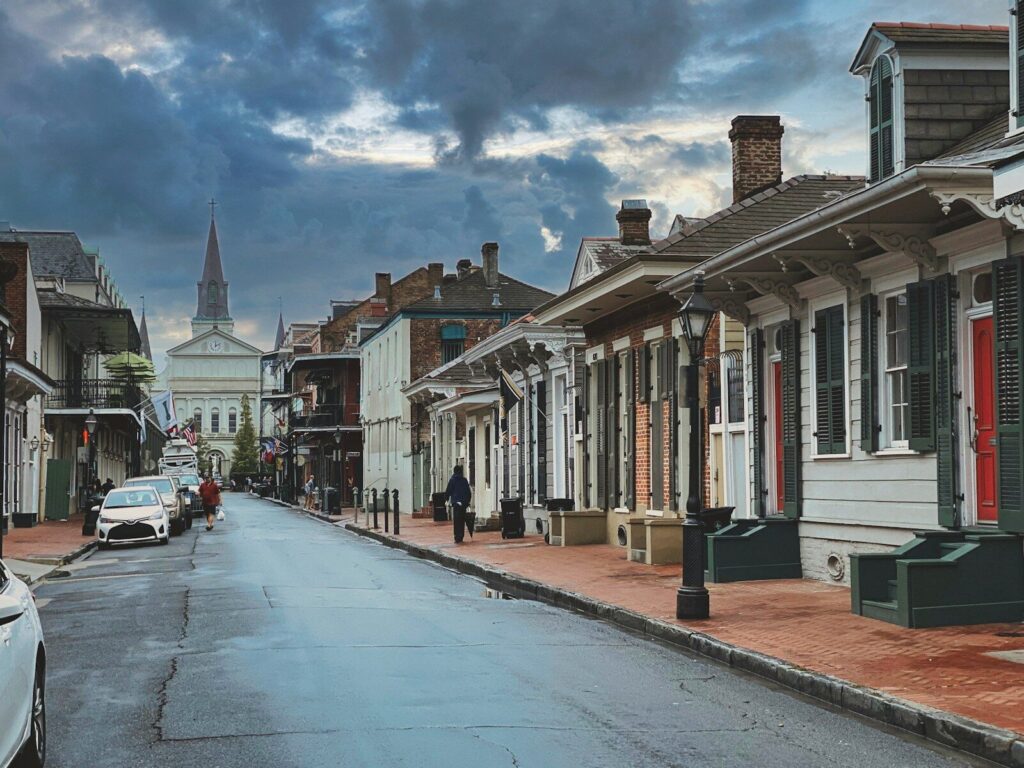
Louisiana also ranks among the most expensive states for home insurance, owing to its vulnerability to hurricanes — New Orleans has the highest residential insurance rates of any major U.S. city. Less discussed, but equally significant, are rising rates across parts of the Plains states and Midwest, where thunderstorms, tornadoes, and hail cause substantial damage each year. Annual hail damage costs reached $46 billion in 2023 alone.
For homeowners, the challenge is twofold: the rates themselves, and the speed at which they are climbing. According to Bloomberg, premiums jumped by more than 20% in six states in 2025, including Minnesota (+34%), Colorado (+33%), Nebraska (+25%), and Oklahoma (+24%).
The 10 states with the highest average annual residential insurance premiums are listed below. Not coincidentally, most sit squarely in regions most exposed to hurricanes, tornadoes, storms, and hail.
| State | Average Annual Cost |
|---|---|
| Florida | $5,688 |
| Louisiana | $5,244 |
| Oklahoma | $4,728 |
| Texas | $4,176 |
| North Carolina | $3,408 |
| Arkansas | $3,252 |
| Nebraska | $3,252 |
| Kansas | $3,228 |
| Kentucky | $3,084 |
| Alabama | $3,048 |
More from ClimateCrisis 247
- Climate Denial in America’s Fastest Warming Congressional Districts
- Congressional Candidates With the Strongest Environmental Records
- Fastest Warming Congressional Districts Where Politician is Funded by Fossil Fuel Industry
- America’s Best And Worst Cities To Own An EV