The 10 Deadliest Snowstorms in US History
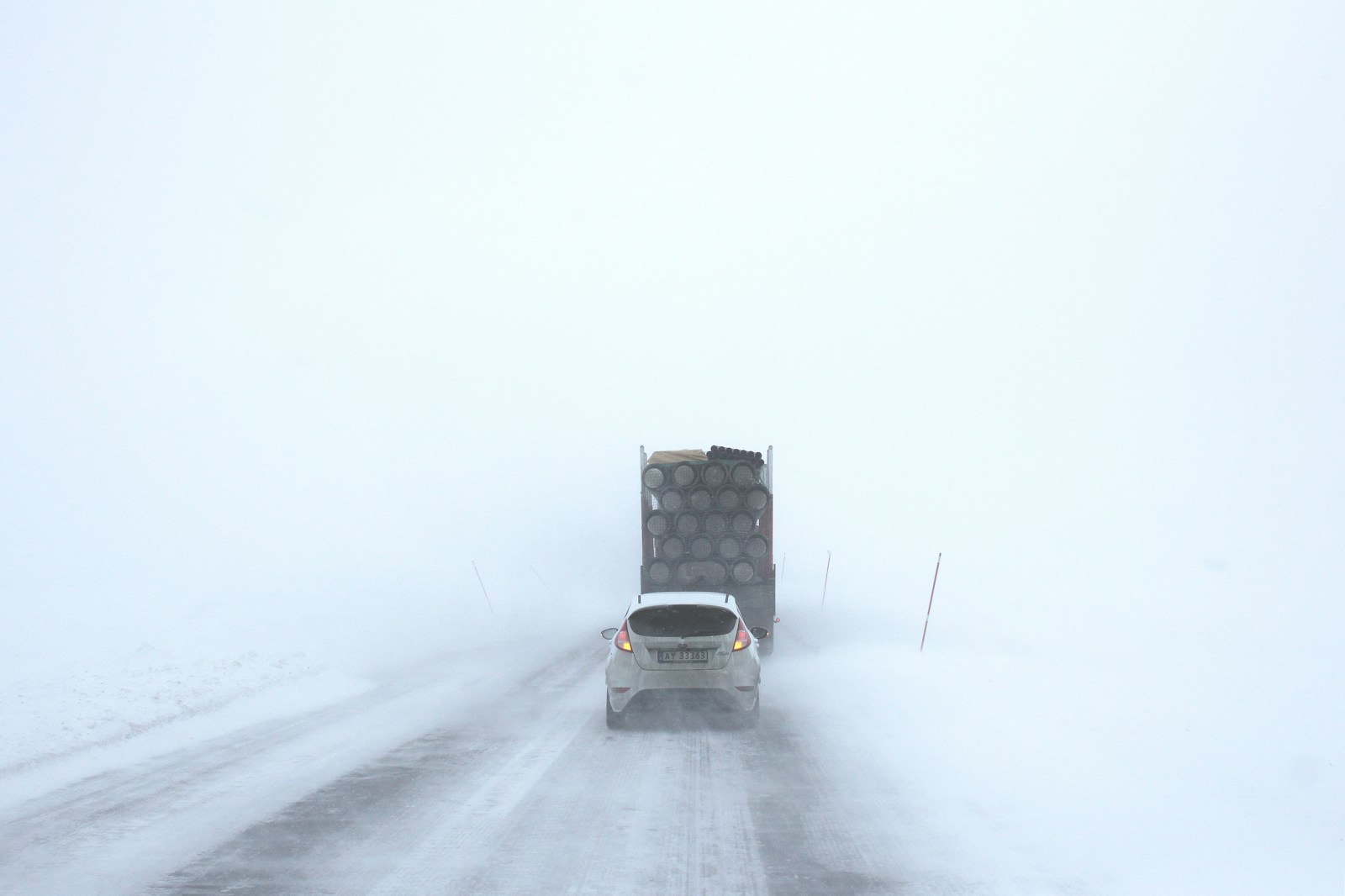
The 21st century has seen remarkable progress in snowstorm safety. There have been no major snowstorm deaths in the US during this period, with only one such incident since 1995. This improvement likely stems from better forecasting technology and enhanced snow removal and victim retrieval methods.
While snowstorms can be deadly, they generally don’t match the death tolls of floods or heatwaves. Floods tend to strike suddenly, and heatwaves often blanket vast areas. However, there’s no single, satisfactory explanation for these differences in mortality rates.
All 10 of the deadliest snowstorms occurred in the Northeast or upper Midwest. Several were coastal storms along the Atlantic Ocean, particularly north of Washington, DC. In some cases, the effects of these storms extended into southern states.
The death toll figures come from the National Weather Service, the CDC, state health departments, and forensic meteorologists and researchers. These numbers sometimes differ from media reports or local estimates. Additionally, some figures include only deaths directly caused by cold, while others encompass cold-related deaths from hypothermia, fires, carbon monoxide poisoning, and automobile accidents.
Each event qualifies as a blizzard—a severe winter storm featuring winds of 35 mph or higher, heavy falling or blowing snow, and visibility under a quarter mile for at least three hours. Notably, the depth of snowfall isn’t necessarily the primary factor in these deaths; cold temperatures and wind are equally, if not more, important.
Many of these historical tragedies would likely be prevented today. The Schoolhouse Blizzard was deadly because temperatures plummeted from moderate to frigid in just hours. Eastern Seaboard storms that were unpredictable a century and a half ago can now be readily forecast.
1. Great Blizzard of 1888 (Great White Hurricane)
- Date: March 11–14, 1888
- Death Toll: ~400–500
- Areas Affected: Eastern Seaboard (New York City to New England)
- Details: One of the most famous snow events in US history, it blanketed the entire Northeast. Most of the 400+ deaths resulted from exposure in cities.
2. Children’s Blizzard (Schoolhouse Blizzard)
- Date: January 12, 1888
- Death Toll: ~235
- Areas Affected: Dakotas, Nebraska, Minnesota, Iowa
- Details: Temperatures plunged rapidly from mild to −40°F. Many children were trapped in one-room schoolhouses.
3. Knickerbocker Storm
- Date: January 27–28, 1922
- Death Toll: 98–200+
- Areas Affected: Mid-Atlantic, especially Washington, DC
- Details: The roof of the Knickerbocker Theatre collapsed under heavy snow in Washington, DC, killing approximately 100 people.
4. Great Appalachian Storm (White Hurricane)
- Date: November 24–30, 1950
- Death Toll: 353–383
- Areas Affected: Ohio Valley to New England
- Details: Dangerous weather on both sides of the Appalachian Mountains brought record snows and hurricane-force winds to the Great Lakes. Over one million people lost power in New England. Also called the “Storm of the Century.”
5. Blizzard of 1996 (North American Blizzard)
- Date: January 6–10, 1996
- Death Toll: 154
- Areas Affected: East Coast from Southeast to New England
- Details: This severe nor’easter dumped 2 to 4 feet of snow, causing massive paralysis of major cities. Parts of New York City received almost 2 feet of snow.
6. Blizzard of 1978 (Cleveland Superbomb)
- Date: January 25–27, 1978
- Death Toll: 70–100
- Areas Affected: Ohio, Michigan, and the Midwest
- Details: Hit the Ohio Valley and much of the Great Lakes region with an extreme pressure drop (973 mb on January 26) and winds exceeding 100 mph. Ohio alone recorded 50+ deaths. Effects reached as far as Arizona.
7. Armistice Day Blizzard
- Date: November 11–12, 1940
- Death Toll: 144–149
- Areas Affected: Upper Midwest (Minnesota, Wisconsin, Michigan)
- Details: Hunters and duck hunters were caught in sudden blizzards; many froze in fields or drowned when lakes froze. About half the deaths in Wisconsin were hunters.
8. Storm of the Century (1993 Superstorm)
- Date: March 12–15, 1993
- Death Toll: 318
- Areas Affected: Eastern US from Florida to Maine
- Details: Technically a cyclone with blizzard conditions in many areas. The highest death tolls occurred in the Northeast, but effects spread across multiple states and included various weather types. According to the NWS, impacts ranged from Canada to the US southern border.
9. Great Lakes Storm of 1913 (White Hurricane)
- Date: November 7–10, 1913
- Death Toll: 250+
- Areas Affected: Great Lakes region
- Details: Primarily maritime deaths, with 12 ships sunk and 250+ sailors lost. Ships went down on four of the five Great Lakes.
10. Snowmageddon (Snowpocalypse)
- Date: February 5–10, 2010
- Death Toll: 50+
- Areas Affected: Mid-Atlantic (Washington, DC to New York City)
- Details: Two back-to-back storms dumped 20–40 inches of snow. The federal government shut down for a week, and many roofs collapsed.