The 10 Largest Snowstorms in US History
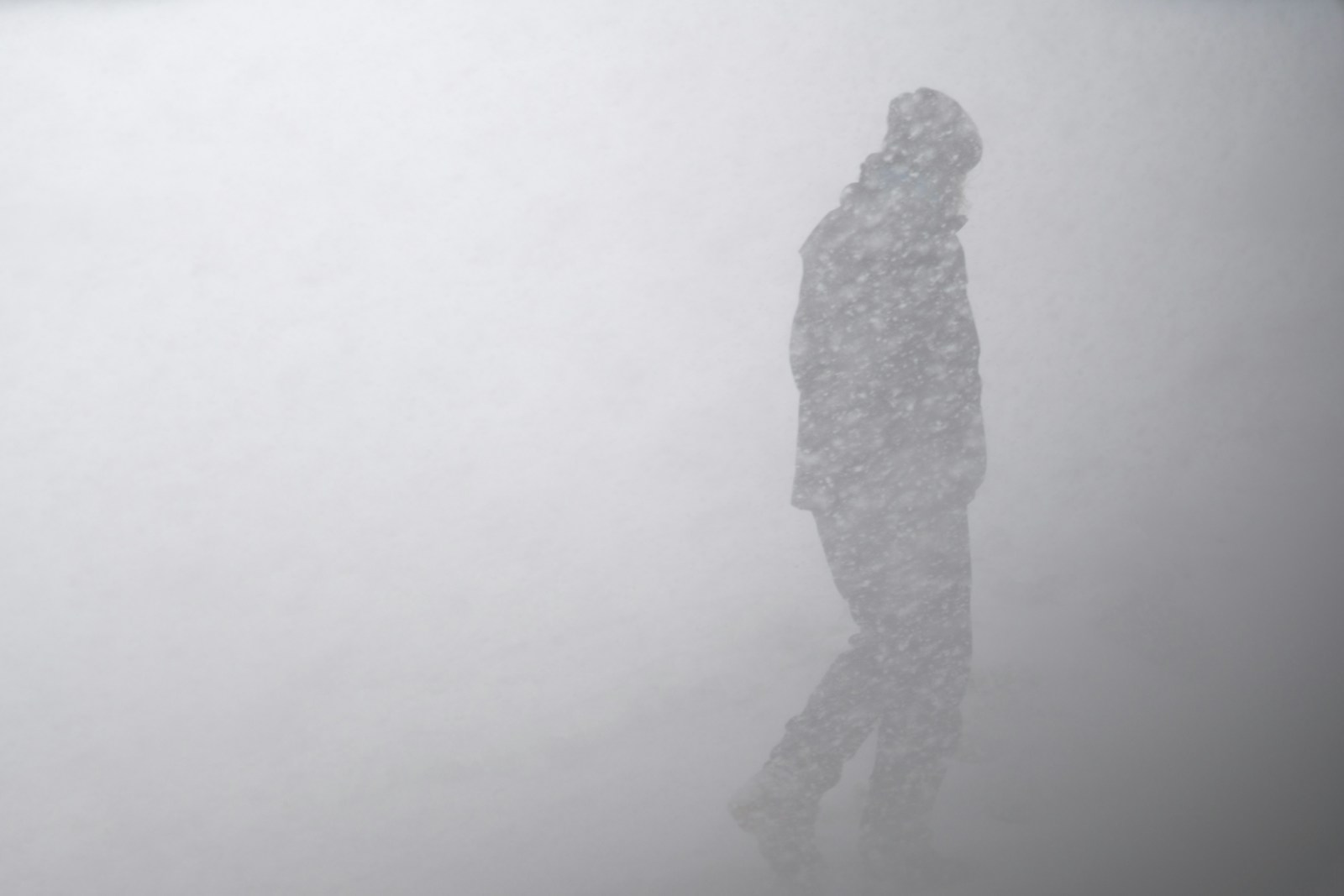
These are the highest “point-specific” snowfall totals—meaning the maximum snow accumulation at a single location—from continuous storm systems in US history. Most occurred at high-elevation sites in western states, with data sourced from NOAA/NCEI, Weather Underground historian Christopher Burt, and the National Operational Hydrologic Remote Sensing Center. Many of these were multi-day events in mountainous regions.
Why Western Mountains Dominate the List
The vast majority of record snowstorms occur in western mountain ranges because moisture-laden air from the Pacific Ocean travels eastward and rises over these high elevations, producing enormous snowfall. According to The New York Times, “A succession of atmospheric river storms pummeled Western states from late December to January, and again in March. These storms were largely responsible for dumping record amounts of snow across much of the West.”
Global warming has significantly reduced snowfall across the United States. The EPA reports that “one reason for the decline in total snowfall is because more winter precipitation is falling in the form of rain instead of snow.” This trend is widespread—approximately 80% of EPA monitoring locations across the lower 48 states have reported decreased snowfall.
Climate Central researchers have documented similar findings: “Since the mid-20th century, the western U.S. has experienced declining snowpack, earlier snowmelt and streamflow, and a shift toward less precipitation falling as snow.” From 1970 to 2023, nearly two-thirds (64%) of monitoring locations experienced less snowfall than in the early 1970s, while only 36% saw increases.
Snow patterns have changed dramatically across the nation. Some southern cities have recently received more snow than their northern counterparts. According to The Weather Channel, during the 2024/2025 season, “Official storm totals in Lafayette and New Orleans, Louisiana, Mobile, Alabama, and Pensacola, Florida, are greater than what New York City, Philadelphia, Salt Lake City, Omaha, Nebraska, and Sioux Falls, South Dakota have seen since fall.”
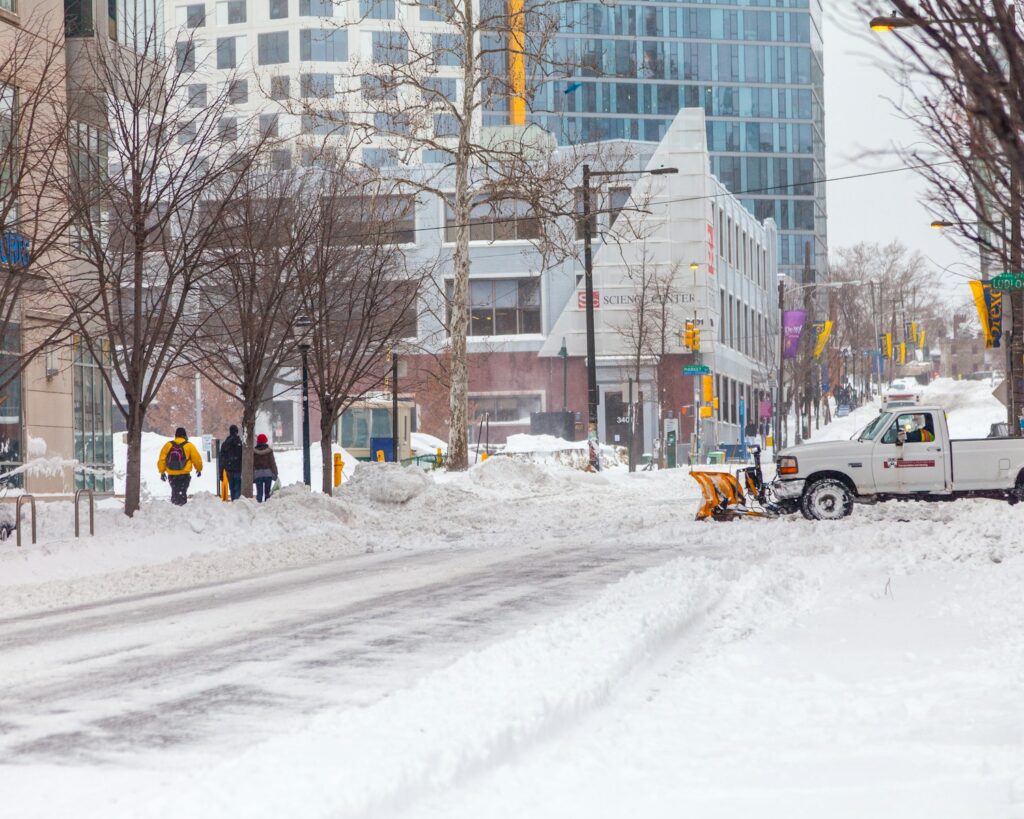
- 189 inches (15.75 feet): Mount Shasta Ski Bowl, California, February 13–19, 1959. This stands as the US and North American record for a single storm—a relentless 7-day event at high elevation. Remarkably, no deaths were attributed to this storm.
- ~194 inches (unofficial but credible): Norden (Donner Summit area), California, April 20–23, 1880. This historic Sierra storm produced measurements consistent with nearby records, though older measurement methods make exact totals uncertain. The storm killed 20 people, most in an avalanche.
- 179 inches: Crystal Mountain, Washington, February–March 1999 (multi-day). Part of the record-breaking 1998–99 season, this storm showcased the Cascade Range’s orographic enhancement effects.
- ~172–186 inches: Various Sierra sites (including Alta and Donner), 1982. Multiple locations in the Wasatch and Sierra ranges recorded massive totals during this year’s events.
- 163 inches: Paradise, Mount Rainier, Washington, 1971–72 winter storm. This iconic high-elevation Cascade site experienced one of its most memorable storms.
- 149–147 inches: Thompson Pass, Alaska, December 1955. An extreme coastal Alaska event that dropped 120–147 inches over just 2–3 days.
- ~140–149 inches: Donner Pass area, California, January 1952. Famous for stranding trains, this storm created “bathtub-ring” visibility conditions.
- 106 inches: Wolf Creek Pass, Colorado, May 1978. A late-season dump in the San Juan Mountains demonstrated that massive snowstorms can occur well into spring.
- 100–120 inches: Mammoth Mountain/Stevens Pass, late 2010. Modern big storms continue to produce impressive totals but haven’t broken the top historical records.
- 93–100 inches: Various Cascade and Sierra sites, 1980s–1990. Multiple multi-day barrages hit locations across Washington and California during this period.
More from ClimateCrisis 247
- Cities Where Americans Have the Highest Water Bills
- New Documents Add to Evidence in Climate Deception Case Against ExxonMobil
- The 10 Most Sustainable Countries In The World
- States Where Tax Payers Will Pay The Most for Rising Sea Levels