The 10 US Cities Hardest Hit by Wildfire Smoke
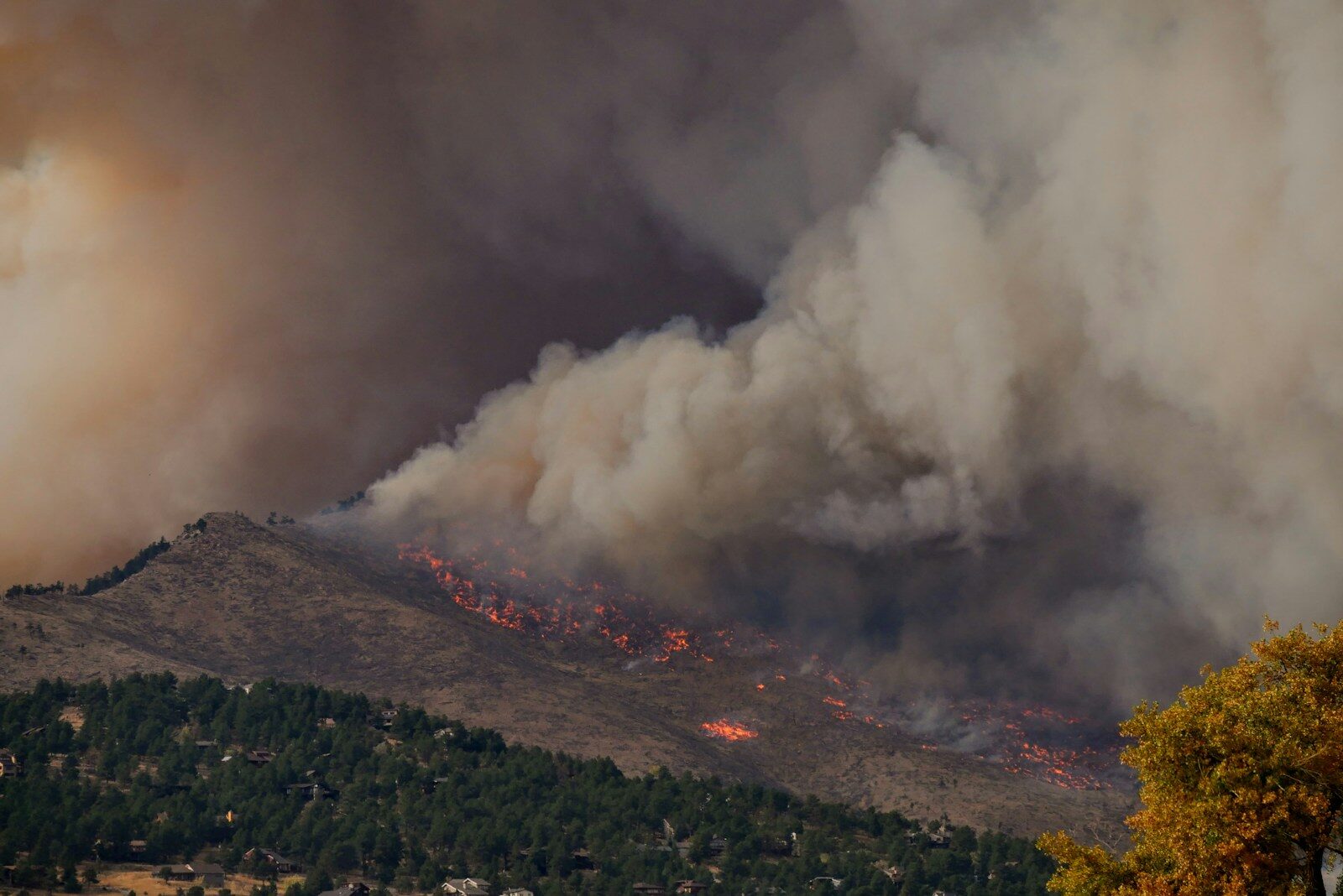
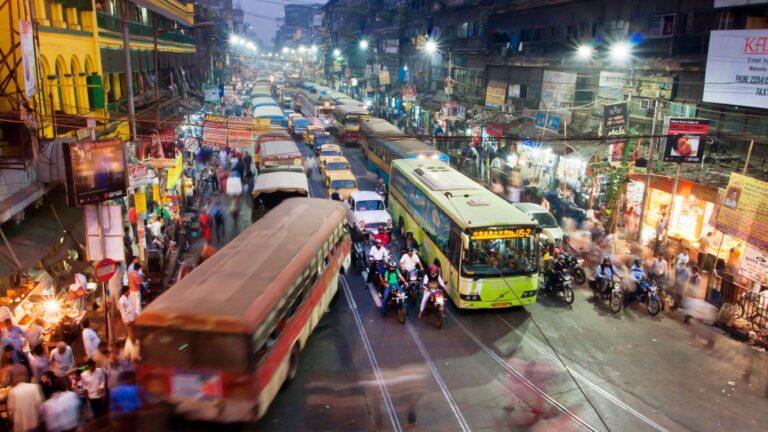
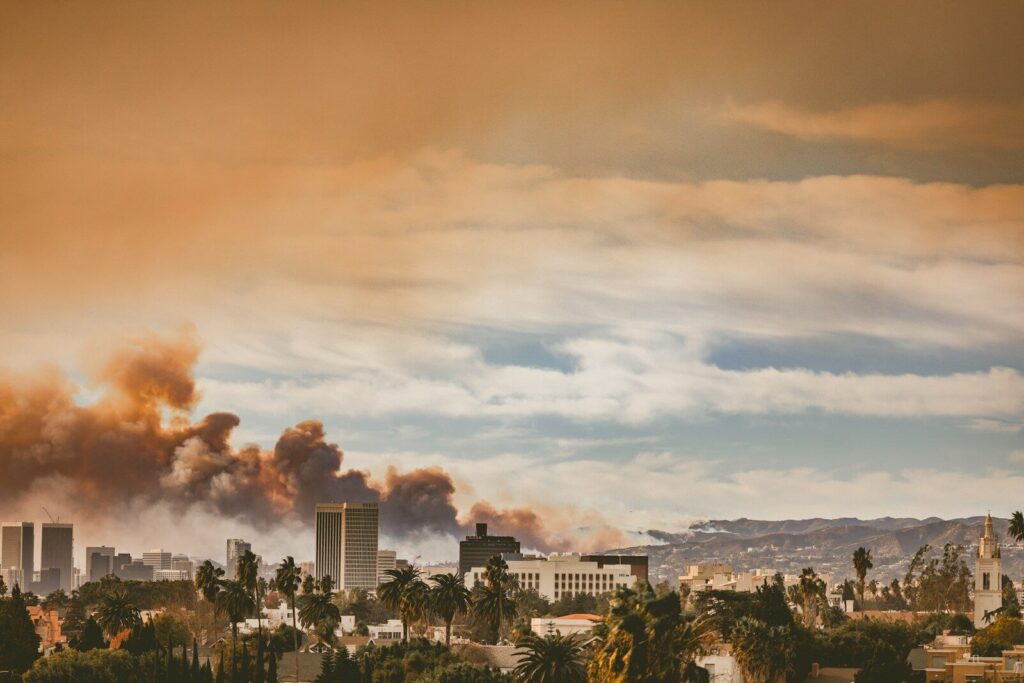
Wildfires, particularly in the Western US and Canada, blanketed some of America’s largest cities east of the Mississippi in smoke. Detroit had the worst air quality of any major city in the world on July 17 and 18. Local station WXYZ reported that according to IQAir, Detroit had the worst air quality in the world for the second straight day, with an AQI of 447 — within the hazardous range.
This situation will almost certainly worsen over time. According to the National Interagency Fire Center, there have already been 51,961 wildfire incidents this year, burning 8,221,246 acres — both figures far higher than at any point in the past decade. Hundreds of fires in Canada remain unextinguished and likely will stay that way: they’re too remote for the Canadian government to reach, and they don’t threaten populated areas. Michael Flannigan, a fire management expert at Thompson Rivers University in British Columbia, told The New York Times that even with far greater spending, he doesn’t believe these fires could be stopped. That reality is another reason US cities can expect to face wildfire smoke well into the future.
Wildfire smoke is dangerous and can cause or worsen a range of health conditions. The CDC maintains a long list of potential health effects spanning the pulmonary system, the cardiovascular system, and the brain. Some people face higher risk than others — particularly, the CDC notes, those with chronic conditions such as asthma, COPD, diabetes, chronic kidney disease, or heart disease.
The science behind wildfire smoke is complex, especially for the general public. Each year, the American Lung Association issues its “State of the Air” report, which grades cities using three measurements. The first is ozone, or smog — the EPA describes ozone (O3) as a highly reactive gas made of three oxygen atoms, occurring both naturally and as a byproduct of human activity in the Earth’s upper atmosphere. The second is Short-Term Particle Pollution, which the EPA defines as a general term for a mixture of solid and liquid droplets suspended in the air. The third is Year-Round Particle Pollution Trends.
To rank the cities hit hardest by wildfire smoke, we drew on EPA AirNow monitoring data (via Visual Capitalist’s analysis), comparing each city’s baseline air quality from January through June against its PM2.5 levels during the peak of the recent smoke wave, over the last 100 days.
We first established each city’s normal air quality, measured in micrograms per cubic meter (µg/m³) — a unit indicating how many micrograms of pollutants, such as PM2.5 or SO2, exist in one cubic meter of air. Notably, all the cities in our ranking average below 10 µg/m³ under normal conditions, well under the WHO’s 24-hour PM2.5 safety threshold of 35 µg/m³. We then looked at each city’s average pollutant level during its worst smoke days over the last 100 days, along with the reading on its single peak day. Our rankings are based on these figures; for reference, the AirIQ rating system classifies a reading of 201–300 as “very unhealthy” and anything above 300 as “hazardous.”
| Rank | City | Smoke-wave avg | Peak day |
|---|---|---|---|
| 1 | Duluth, MN | 188.7 | 507.8 (Jul 16) |
| 2 | Toledo, OH | 109.5 | 367.8 |
| 3 | Detroit, MI | 106.5 | 295.6 |
| 4 | Grand Rapids, MI | 96.2 | 264.8 |
| 5 | Milwaukee, WI | 94.0 | 252.6 |
| 6 | Chicago, IL | 76.5 | 234.8 |
| 7 | Weirton-Steubenville, WV | 73.1 | 201.4 |
| 8 | Madison, WI | 69.9 | 180.4 |
| 9 | Youngstown, OH | 66.2 | 148.7 |
| 10 | Pittsburgh, PA | 63.4 | 160.4 |
In addition to the sources above, we drew on data from Yale Climate Connections, The NOAA National Environmental Satellite, Data, and Information Service, and the Visual Capitalist.
More from ClimateCrisis 247
- Fastest Warming Congressional Districts Where Politician is Funded by Fossil Fuel Industry
- America’s Best And Worst Cities To Own An EV
- Climate Change Is Increasing Simultaneous Exposure to Heat Waves and Wildfire Smoke
- Wildlife Populations Have Plunged Globally, But Some Buck the Trend