The 20 Largest Oil-Producing Nations in the World
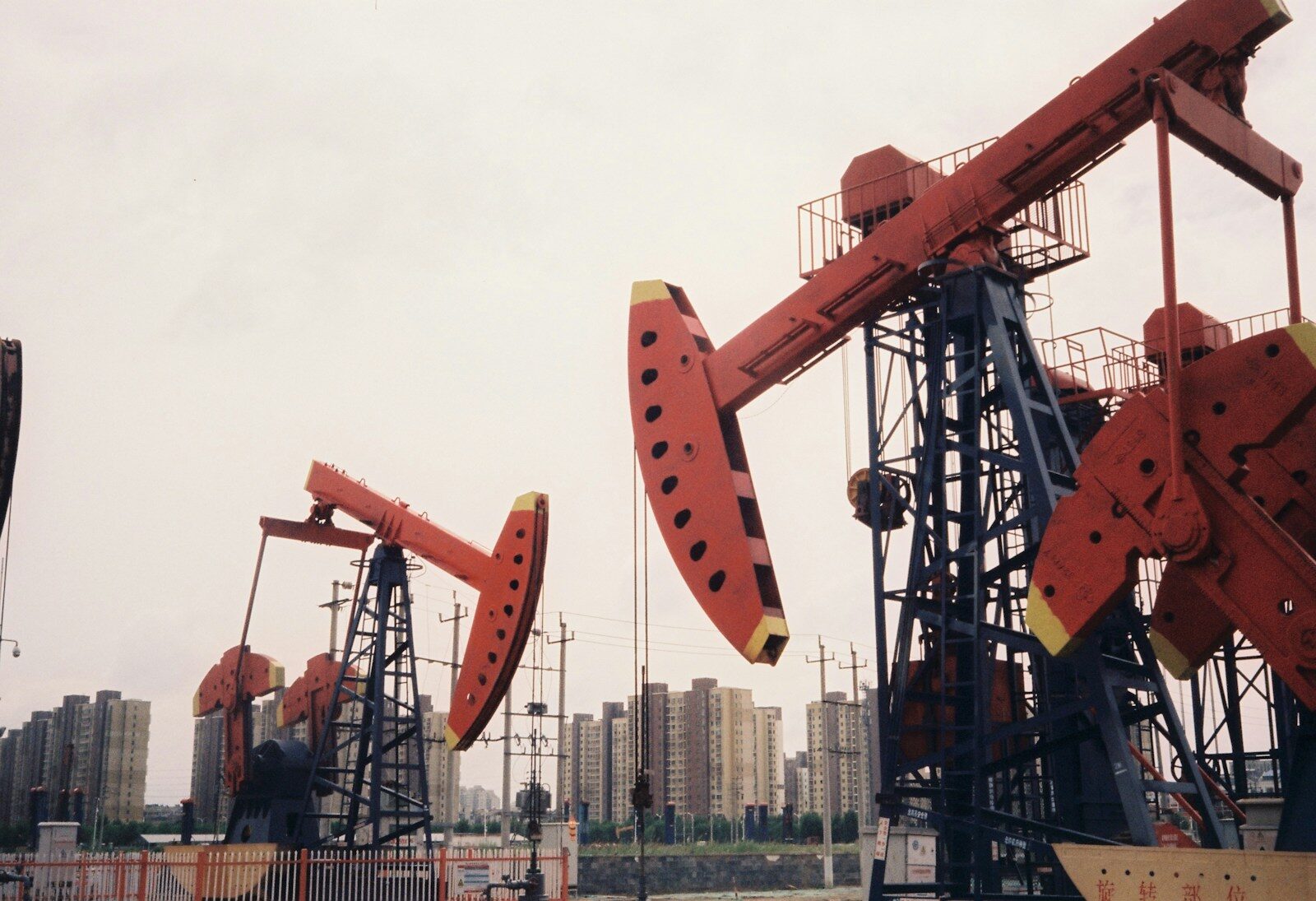
The story of the world’s oil supply centers on the US and Canada in North America, the OPEC nations, Russia, and Venezuela. Among them, these countries hold by far the world’s largest proven oil reserves and production capacity. Today, as the global oil supply has been choked off by the blockade of the Strait of Hormuz, the balance of power among the largest producers has become even more important. Iran, an OPEC member, has had most of its exports cut due to its conflict with the US. Sanctions against Russia have created problems for it as well.
The most significant shift in the balance of power among these nations in recent decades has come from the US shale revolution. Today, the US dominates world production thanks to shale oil. Shale became a major part of US production after 2008, driven by two new technologies: horizontal drilling and hydraulic fracturing (“fracking”). Unlike traditional crude oil, shale oil isn’t liquid at first — it’s locked in a mineral called kerogen, which releases liquid hydrocarbons when heated. This technology has helped make the US energy independent and the largest oil exporter in the world.
The US situation today is very different from the 1970s, when America was hit hard by the 1973 Arab Oil Embargo. Several OPEC member nations cut off crude supply to countries that had supported Israel in the Yom Kippur War. Oil and gas prices in the US soared, which in turn fueled runaway inflation. The price of a barrel of oil rose from approximately $3 to $12.
OPEC, the Organization of the Petroleum Exporting Countries, was founded in 1960. Its founding members included Iran, Iraq, Kuwait, Saudi Arabia, and Venezuela. According to OPEC, “These countries were later joined by Qatar (1961), Indonesia (1962), Libya (1962), the United Arab Emirates (1967), Algeria (1969), Nigeria (1971), Ecuador (1973), Gabon (1975), Angola (2007), Equatorial Guinea (2017) and Congo (2018).” OPEC’s members usually raise or lower production in concert with one another, which gives the group substantial influence over global supply. Among them, Venezuela holds the world’s largest proven reserves but exports very little — years of political turmoil and US sanctions have almost completely cut off its exports, and the nation’s oil production infrastructure has suffered as a result. The US has only recently begun to ease those announced.
Russia was a major oil exporter until the start of the Ukraine invasion, when US and allied sanctions sharply curtailed its exports. As the conflict has continued, the Trump Administration has issued even tighter restrictions. Last October, the Treasury Department annouced: “Today, the U.S. Department of the Treasury’s Office of Foreign Assets Control (OFAC) is imposing further sanctions as a result of Russia’s lack of serious commitment to a peace process to end the war in Ukraine. Today’s actions increase pressure on Russia’s energy sector and degrade the Kremlin’s ability to raise revenue for its war machine and support its weakened economy.”
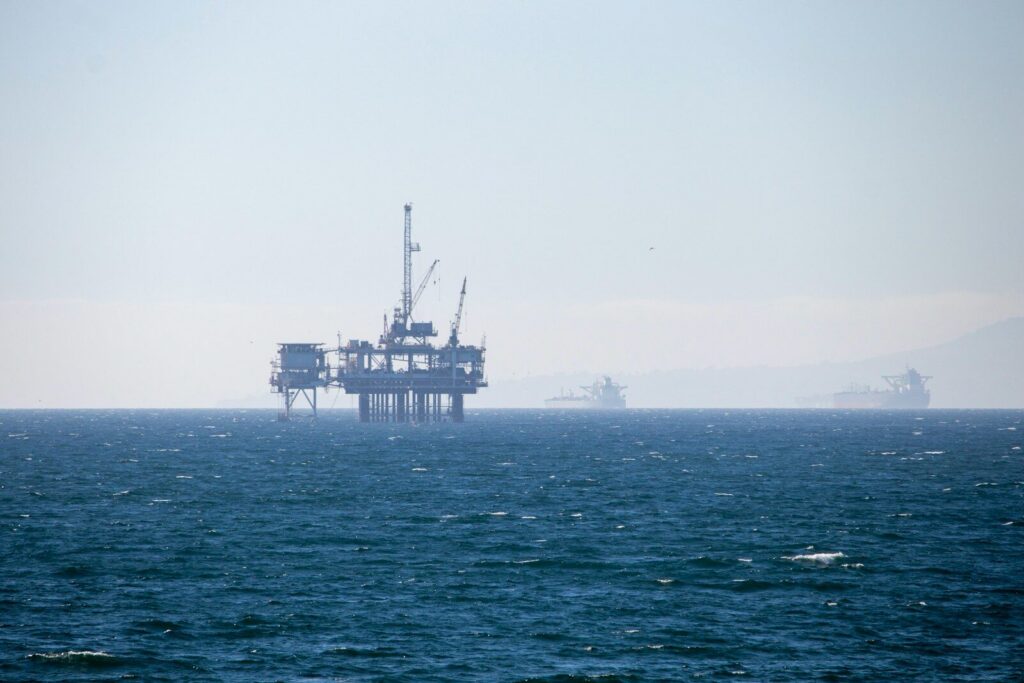
Below are the top 20 largest oil-producing nations in the world, based on 2025 data from EnergyNow, published in April of this year.
- Current annual production is shown as average daily production in million barrels per day (mb/d), multiplied by 365 for a rough annual total.
- Proven reserves are in billion barrels, drawn from several sources including the US Energy Information Administration (EIA) and the OPEC Annual Statistical Bulletin.
| Rank | Country | Production (mb/d, 2025) | Proven Reserves (billion barrels) |
|---|---|---|---|
| 1 | United States | 13.58 | ~44 |
| 2 | Russia | 9.87 | ~80 |
| 3 | Saudi Arabia | 9.51 | 267 |
| 4 | Canada | 4.94 | 163 |
| 5 | Iraq | 4.39 | 145 |
| 6 | China | 4.34 | ~26 |
| 7 | Iran | 4.19 | 209 |
| 8 | United Arab Emirates | 3.82 | 113 |
| 9 | Brazil | 3.75 | ~15 |
| 10 | Kuwait | 2.58 | 102 |
| 11 | Mexico | ~1.9–2.0 | ~6 |
| 12 | Nigeria | ~1.7–1.8 | 37 |
| 13 | Kazakhstan | ~1.7 | 30 |
| 14 | Norway | ~1.6–1.8 | ~7 |
| 15 | Libya | ~1.2–1.5 | 48 |
| 16 | Angola | ~1.1 | 8 |
| 17 | Oman | ~1.0 | 5 |
| 18 | Venezuela | ~0.8–1.0 | 303 |
| 19 | Algeria | ~1.0 | 12 |
| 20 | Qatar | ~0.9–1.0 | 25 / ~2 |
More from ClimateCrisis 247
- Ocean Temperatures Hit a Historic High in 2026
- Hottest Falls In US History
- The Fish, Birds, and Mussels America Just Lost for Good
- Tornado Season Looks Different Now: Is Your State on the List?