The Worst Nor’easters in US History
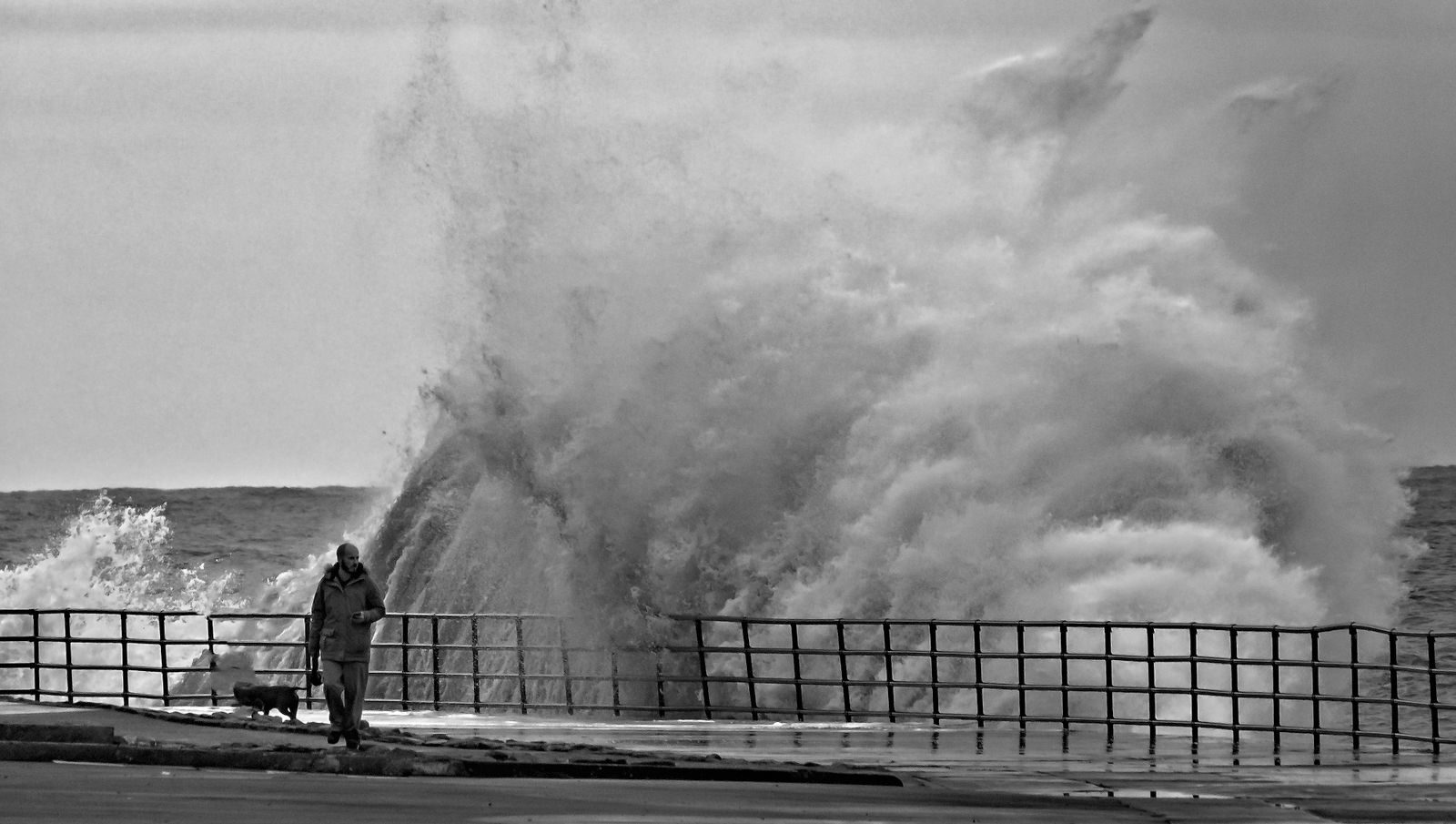
A nor’easter is moving up the East Coast today, and before the weekend is over, rain totals will reach 2 to 4 inches from New Jersey to Maine, with Boston and Long Island expecting 4 to 6 inches. The National Weather Service has extended high wind warnings along the coast from Rhode Island through Massachusetts. The storm coincides with the highest tides of the month, which could worsen coastal flooding.
Waves have already swamped protective dunes along North Carolina’s Outer Banks, and Norfolk has closed streets and public schools. New York City will likely be spared the worst of the storm, though it could still see 1 to 2 inches of rain.
Nor’easters strike the Northeast as often as 10 times a year, but it’s unusual for one to be as powerful as this. The storms get their name from the northeasterly winds that blow over coastal regions as they pass. Most occur between September and April, typically developing along the coast between Georgia and New Jersey before reaching peak strength near New England. In winter, they can trigger blizzards, and the most severe have dropped as much as three feet of snow.
Some nor’easters have killed hundreds of people, shut down major American cities, and caused billions of dollars in damage.
To rank the worst nor’easters in history, we considered wind speed, rain and snow totals, dollar damages, and death tolls. Figures for older storms are given as ranges, since measurement technology at the time was less precise.
1. Great Blizzard of 1888
Deaths: 400+
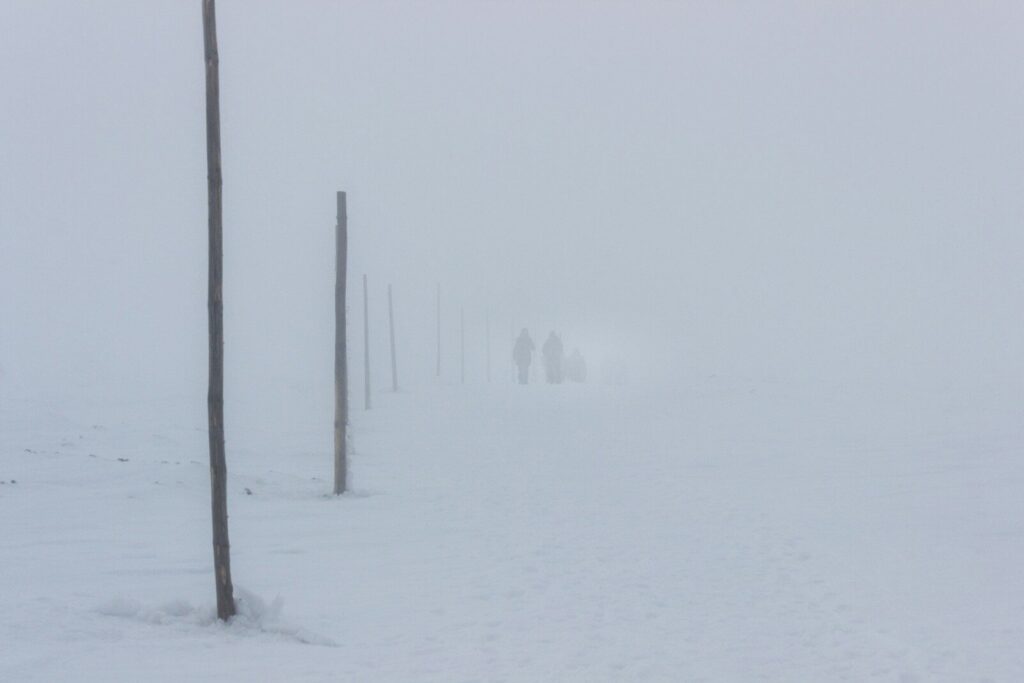
Weather Underground has called this storm “America’s greatest snow disaster.” Snow began falling on March 11, and by the next day New York City had 10 inches; totals eventually topped 22 inches. Wind gusts reached 80 mph, and drifts piled up to 50 feet high. Wall Street, the courts, and the Brooklyn Bridge all shut down. More than 400 people died across the Eastern Seaboard, about a quarter of them sailors. Senator Roscoe Conkling was buried in snow during the storm and died several weeks later from complications. The blizzard was one of the events that spurred New York City to build its subway system — though even today, parts of the system still shut down in snowstorms because some tracks run above ground.
2. Blizzard of 1978
Deaths: ~100
This storm began on February 5, 1978, lasted two days, and caused more than $529 million in damage — about $1.85 billion in today’s dollars. One hundred people were killed. As WGME reported, heavy snow buried parts of Massachusetts and Rhode Island under more than two feet of snow. Many of the victims died after becoming stranded on roads, and snowfall totals in some areas set records.
3. Ash Wednesday Storm, 1962
Deaths: 40
The National Park Service has described this storm as “one of the most destructive storms ever to strike the middle-Atlantic states.” It lingered off the coast through five high tides, killing 40 people and causing major damage across six states. Beach homes, hotels, and boardwalks were swept into the ocean. Damages reached $200 million — about $1.5 billion adjusted for inflation. In its wake, local authorities began building protective beach dunes and adopted new building standards, including elevated pilings.
4. Snowtober, 2011
Deaths: 39
According to WMUR, this storm brought two to three feet of snow, with parts of Massachusetts seeing nearly three feet. Three million homes and businesses across 12 states lost power, and some outages in Connecticut lasted 11 days. The Washington Post called it one of the largest grid failures in U.S. history. Damage totaled $1 billion to $3 billion, and 39 people died.
5. Blizzard of 2016
Deaths: 48+
Moody’s reported that the Blizzard of 2016 dropped as much as 40 inches of snow across parts of the Mid-Atlantic, disrupting life for roughly 85 million people. The storm caused more than 300,000 power outages, nearly 12,000 flight cancellations, and at least 48 deaths. Four states declared states of emergency, and New York and New Jersey banned travel for two days. Central Park recorded 27.5 inches of snow — the highest total in New York City since record-keeping began in 1869. The National Weather Service noted that numerous roads, homes, and businesses along the New Jersey and Delaware coasts flooded, prompting emergency crews to carry out water rescues.
6. December 1992 Nor’easter
Deaths: 19
The National Weather Service called this one “one of the epic storms of all time,” according to the University of Virginia. Because it moved slowly, tides stayed elevated across the Northeast for several days. In New York City, water rose 8 feet at Battery Park and flooded the FDR Drive; NASA reported that some drivers trapped in their vehicles had to be rescued by scuba divers. On Long Island, the storm cut power to 454,000 people, while flooding in Boston reached 5 feet. The death toll varies depending on the source: the National Climatic Data Center reported 19 deaths, while the CDC counted only three, excluding deaths from traffic accidents and heart attacks. Damages were estimated at $5 billion.
More from ClimateCrisis 247
- Climate Denial in America’s Fastest Warming Congressional Districts
- Congressional Candidates With the Strongest Environmental Records
- Fastest Warming Congressional Districts Where Politician is Funded by Fossil Fuel Industry
- America’s Best And Worst Cities To Own An EV