These Are The States With The Most Tornadoes in 2025
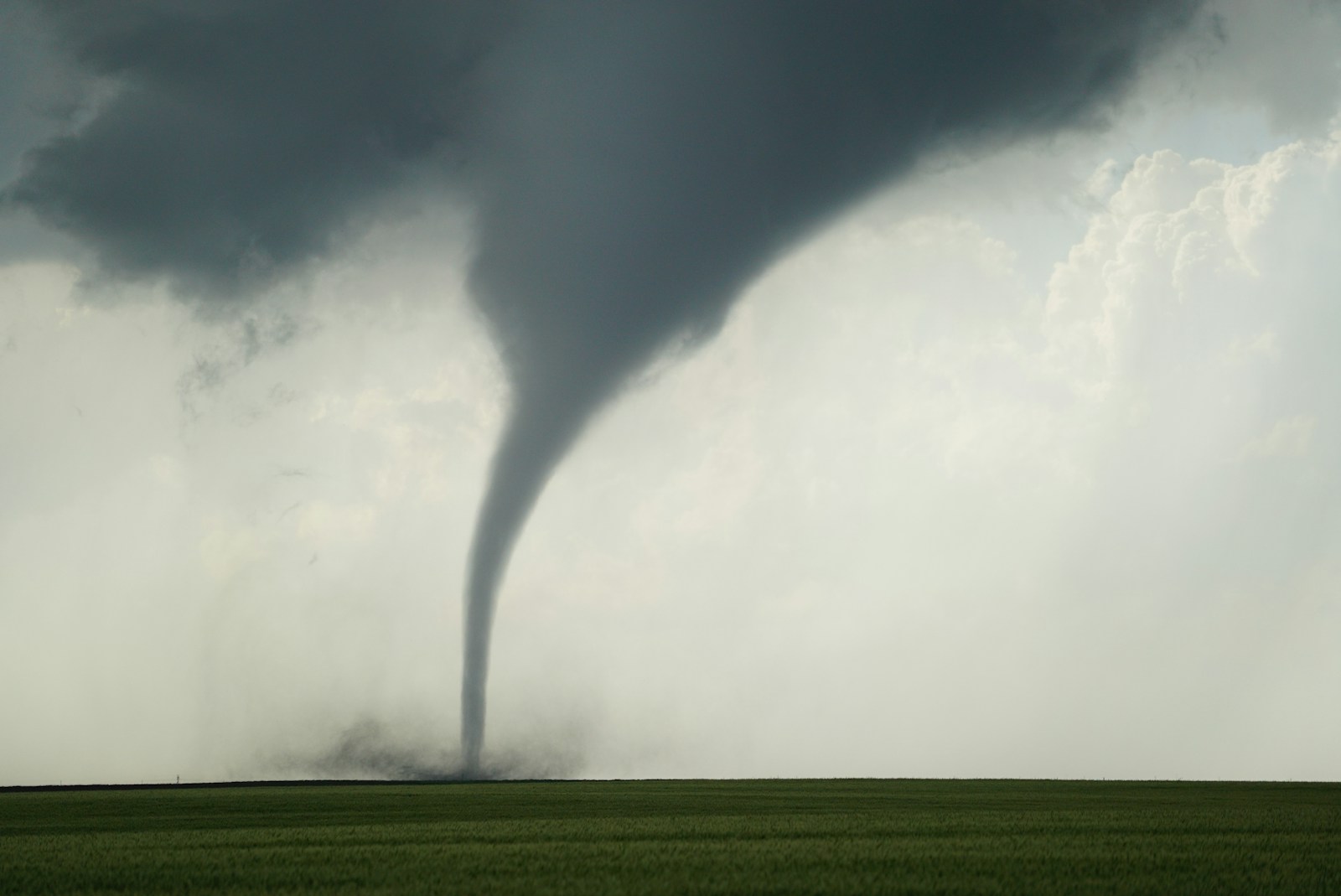
Tornado season began March 1, and in just two weeks, it has already produced several large and deadly storms. The most recent struck Indiana, killing two people.
Last year, tornadoes killed 68 people. The deadliest single storm hit Somerset–London, Kentucky on May 16, killing 19. A separate outbreak across Alabama, Arkansas, Missouri, Oklahoma, Kansas, Mississippi, North Carolina, and Texas on March 15–16 killed 42 people.
In 2025, there were 1,559 tornadoes, well above the annual average of 1,225. According to NOAA, this was “the fifth-largest annual tornado count on record, following historical highs in 2004 (1,813), 2024 (1,791), 2008 (1,692), and 2011 (1,691).” We have used the 2025 total for this analysis. Government estimates put the number of tornadoes in January and February of this year at 75.
Tornadoes are rated by strength using the Enhanced Fujita Scale (EF Scale). The most powerful tornadoes are rated EF-5, with wind speeds exceeding 200 mph. Last year saw one EF-5 tornado — the first since 2013. Storm research also uses a “damage indicator” system, which covers 28 categories of structures and objects, ranging from motels and car dealerships to trees.
The National Environmental Satellite, Data, and Information Service explains how tornadoes form: “A tornado forms from a large thunderstorm. Inside thunderclouds, warm, humid air rises while cool air falls — along with rain or hail. These conditions can cause spinning air currents inside the cloud.” When those spinning currents turn vertical, a tornado is officially formed.
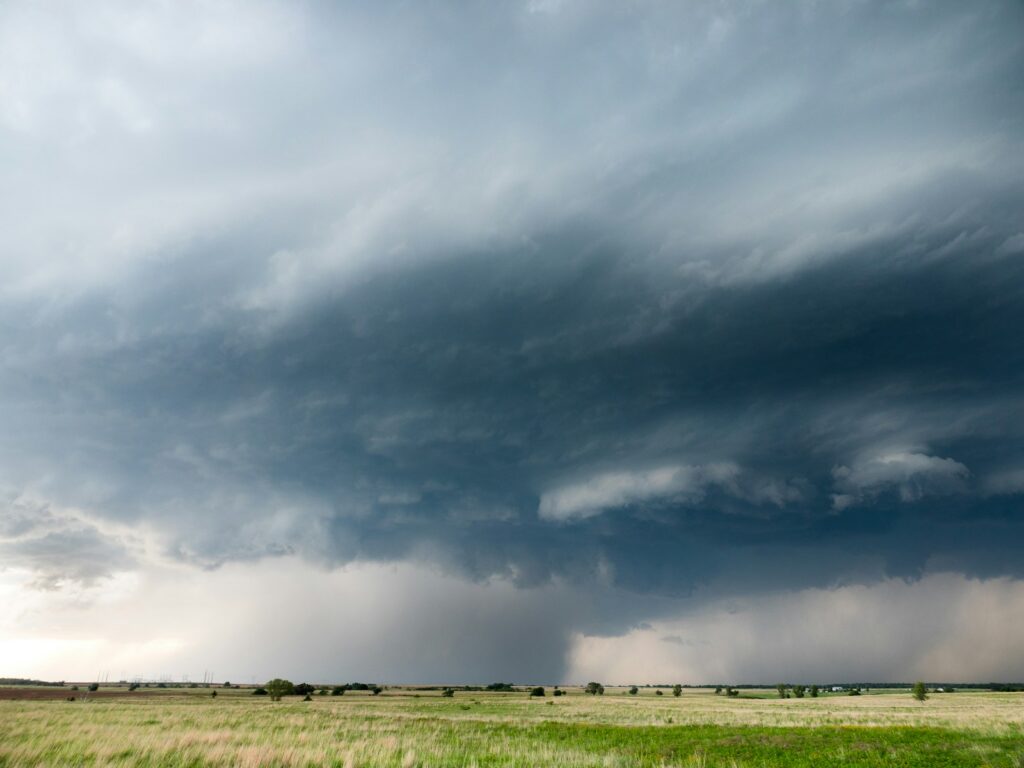
Tornadoes are most common in a specific region of the country with a long history of severe storms. “Tornado Alley is a nickname given to an area in the southern plains of the central United States that consistently experiences a high frequency of tornadoes each year,” according to a U.S. Tornadoes report.
There is ongoing debate about whether climate change has made tornadoes worse. The broader consensus is that the storms that produce tornadoes have intensified. Researchers at WWF write that “climate change is increasing the frequency and strength of severe thunderstorms, which in turn produces atmospheric conditions that can develop even more intense tornadoes.” Experts at National Geographic are more cautious, noting that “unlike heat waves and floods, research on climate change and tornadoes is still in its infancy.”
Sources for this report include Accuweather,CNM, the National Centers for Environmental Information, UPI, World Population Review, and NOAA.
States with the most tornadoes in 2025:
| Rank | State | Tornadoes | Fatalities |
|---|---|---|---|
| 1 | Texas | 162 | 0 |
| 2 | Illinois | 146 | 0 |
| 3 | Missouri | 120 | 17 |
| 4 | Mississippi | 111 | 8 |
| 5 (tied) | Alabama | 72 | 3 |
| 5 (tied) | North Dakota | 72 | 3 |
| 7 | Oklahoma | 67 | 1 |
| 8 | Indiana | 65 | 1 |
| 9 | Arkansas | 60 | 3 |
| 10 | Minnesota | 56 | 0 |
| 11 | Nebraska | 55 | 0 |
Connecticut, Maine, New Hampshire, Oregon, Rhode Island, Vermont, West Virginia, Alaska, and Hawaii recorded no tornadoes in 2025.