This Oil Tanker Could Fill 5,000 Swimming Pools
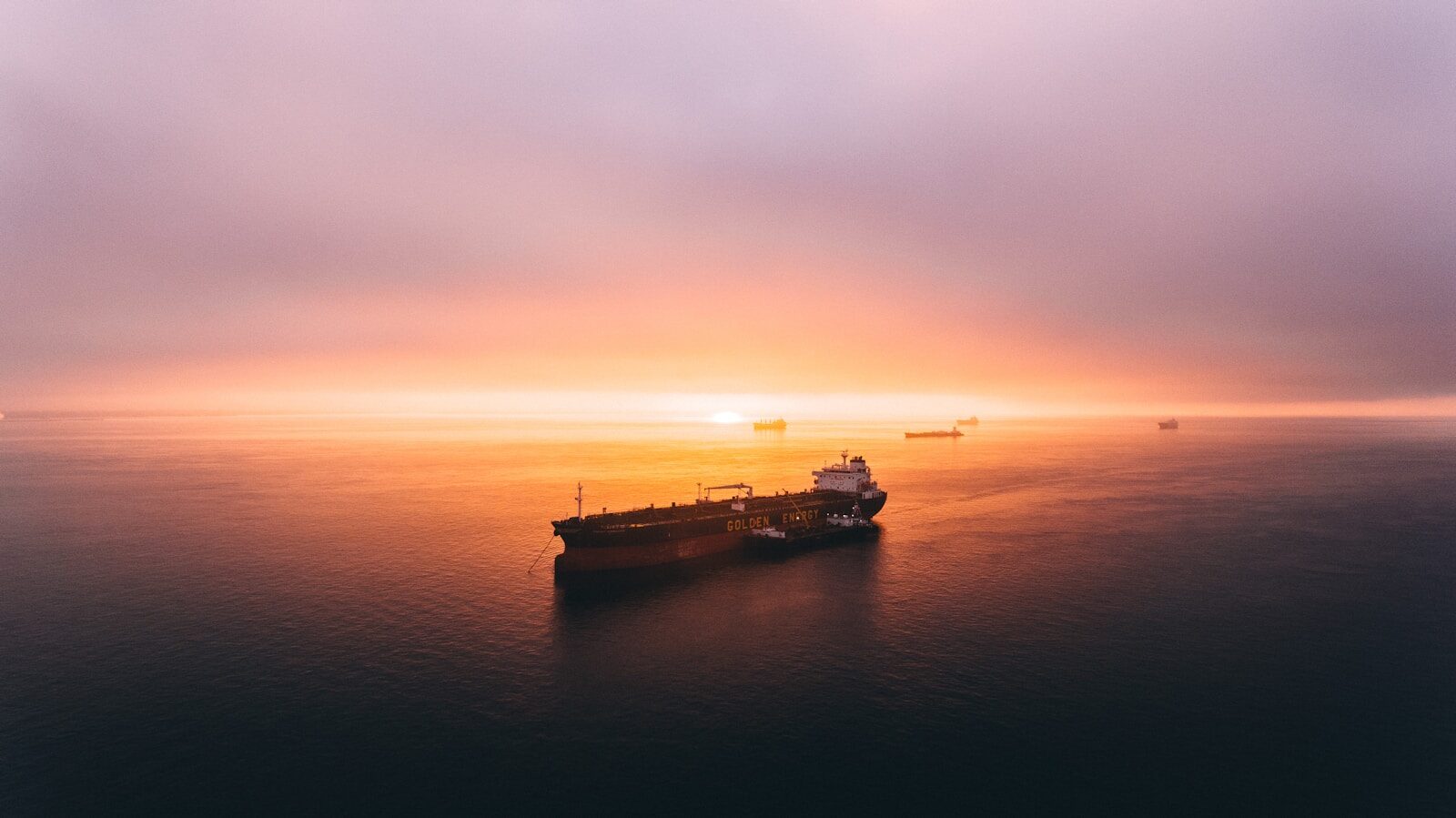
China has launched a new supertanker called the Empire Hope (Junwang), classified as a VLCC (Very Large Crude Carrier). It has a deadweight capacity of 307,000 tonnes and carries two million barrels of crude oil — equivalent to 84 million gallons, enough to fill 4,600 to 5,600 typical home swimming pools. The comparison is intentional: most Americans have little sense of how much crude oil is transported by tankers, or how critical that trade is to the global economy.
There are currently 880 to 900 VLCCs in operation worldwide. Some function as shadow ships, transporting crude illegally; those used for legitimate purposes are primarily owned by a handful of companies. According to Argus Media, South Korean shipping firm Sinokor is now the largest single commercial operator in the VLCC fleet, with 78 vessels, and is expected to keep growing. Other major operators include China Merchants Energy Shipping and COSCO Shipping Energy Transportation (both Chinese), Bahri (Saudi Arabia), and Frontline Ltd. (Norway/Bermuda).
Not all nations enjoy equal access to critical shipping lanes. Iran has granted passage through the Strait of Hormuz to several “friendly nations,” reportedly including Russia, China, and India. China has particular reason to secure that access: according to Reuters, it purchased an average of 1.38 million barrels per day of Iranian oil last year, representing about 13.4% of its total seaborne oil imports of 10.27 million barrels per day. China buys roughly 80% of all crude exported by Iran.
China’s dependence on imported oil is acute. The Center on Global Energy Policy notes that China imports over 70% of the oil it consumes, with more than 90% of those imports arriving by sea, making oil stockpiling a cornerstone of its energy security strategy.
Asia and India are especially vulnerable to disruptions in oil supply. Among the world’s 15 largest oil importers are Thailand, South Korea, Japan, Taiwan, and Singapore. According to Reuters, Asia purchases about 80% of the oil shipped through the Strait of Hormuz. J.P. Morgan commodity analysts warn that the region faces worsening shortages through April and May, requiring swift action from authorities. Some countries may be forced to implement conservation measures for businesses and households — including encouraging remote work and reduced vehicle use.
The United States is not immune, despite producing more oil than it consumes. Because oil is priced on global markets, an international supply disruption affects American prices regardless of domestic production levels.
A prolonged closure of the Strait could trigger a severe global recession. Some experts project oil prices could reach $200 per barrel under such conditions, which could push the national average price of regular gasoline to $10 to $12 per gallon. Diesel prices at that level would cripple the trucking industry, dramatically raising supply chain costs and fueling significant inflation.
The economic risk extends beyond crude oil. The Strait is also a vital corridor for liquefied natural gas (LNG), refined petroleum products, fertilizer, methanol, sulfur, aluminum, and materials used in advanced AI chip manufacturing. A sustained blockage of VLCC traffic could trigger one of the worst global economic downturns in a century — one that even an energy-independent United States could not escape.
Meanwhile, the Empire Hope and its sister ships will continue making transits as frequently as possible. For China, they may prove essential to avoiding a deep recession.