Tips on How Americans Can Save 25% On Gas
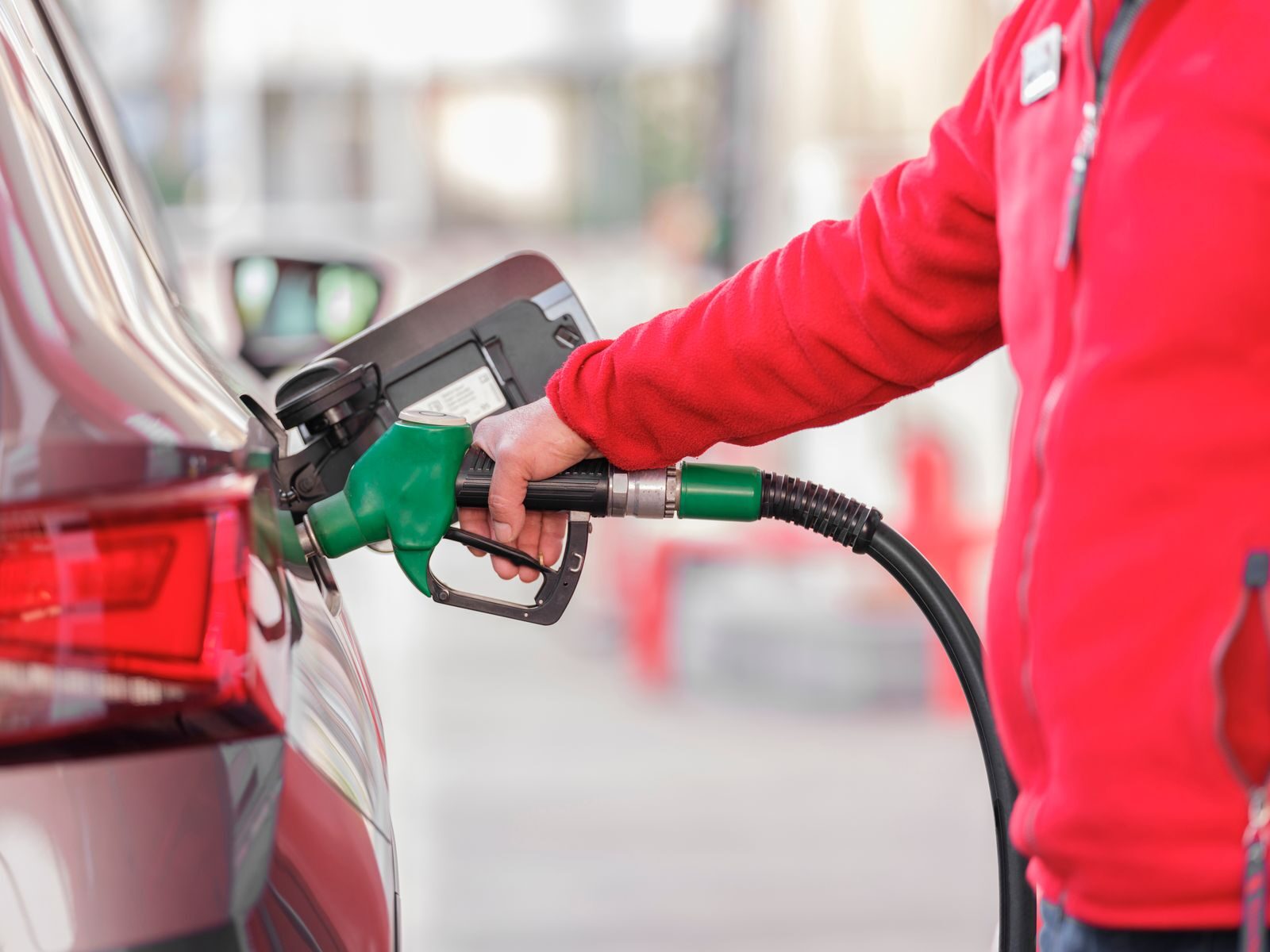
Gas prices are up 40% over the past year, to a nationwide average of $4.43 per gallon of regular. Some areas are hit harder: in California, the average is $6.35, partly because of the state’s high gas taxes.
There is little reason to expect prices to drop in the next several months. The Strait of Hormuz is still mostly blocked, and Houthi rebels have cut off much of the crude from Saudi Arabia, the world’s second-largest exporter after the US. Meanwhile, American refineries can’t quickly increase gasoline output, and US crude supplies are at a 45-year low.
For Americans, higher prices could mean spending as much as $800 more on gas per year. That is a meaningful sum for a middle-income household bringing in $60,000 a year after taxes.
Drivers have few ways to lower what they pay. One option is to buy a new car, either a high-mileage model or an EV, but that is expensive: according to Kelley Blue Book, the average new car in the US costs $50,000.
A cheaper option is to drive like a “hypermiler.” The New York Times describes a hypermiler as “a driver who squeezes as many miles as possible out of each gallon of gas.” Most of their techniques are simple and require no special equipment or major changes in how you use your car. They rest on three principles: driving fast uses more gas than driving slowly, hard acceleration uses more gas than gentle acceleration, and coasting downhill saves fuel. A few smaller measures involve engine maintenance and better planning of longer trips.
There is considerable evidence that good hypermiling can cut fuel costs by 20% to 30% by making cars more fuel efficient. It also helps the environment, since less fossil fuel is burned. Transportation accounts for about 28% of US greenhouse gas emissions.

The hypermilers’ rules
- Coast. Many drivers burn gas right up until they need to stop. If you anticipate a stop, take your foot off the gas and roll.
- Use gravity downhill. Ease off the gas and let gravity do the work, but don’t shift into neutral. With the car in gear, the engine still turns more slowly than it would if you kept your foot on the pedal.
- Brake gently. Slowing gradually lets the car roll, so you may never have to stop completely as you approach something like a red light. That also spares you from accelerating from a standstill.
- Drive slower. According to Freeway, “For many gasoline‑powered vehicles, fuel economy is often best at moderate highway speeds, roughly 45 to 60 miles per hour.” Faster cars also face more air resistance.
- Accelerate gently. Press the gas pedal softly. It takes more energy to get a car up to speed quickly than gradually.
- Hold a steady speed. Avoid small bursts of acceleration. It’s not a big factor, but it adds up.
- Draft. This technique comes from NASCAR: driving closely behind another vehicle means the lead vehicle takes most of the wind. USA Network describes how it works in a race car: “In stock car racing, this produces what’s known as the slipstream effect because as a car zooms around a track, it punctures the air, redirecting it out and around the car’s sides. The resulting low-pressure air directly behind the car creates a vacuum that pulls the trailing car forward.”
Other tips that take a little more effort
- Keep tires properly inflated. Follow the vehicle manufacturer’s recommended pressure. According to the US Department of Energy, underinflated tires can reduce fuel economy by roughly 0.2% for every one-psi drop in the average pressure of all four tires.
- Follow the manufacturer’s maintenance schedule. Worn spark plugs can misfire, and dirty air filters make the engine work harder. Both make the engine less efficient and increase gas use.
- Use the recommended grade of oil. Machinery Lubrication reports, “Lower-viscosity oils (like 0W-20 or 5W-20) flow more easily than thicker oils (like 10W-40), requiring less energy for the engine to pump and move parts.”
- Go easy on the air conditioning. The Department of Energy reports that AC can cut fuel economy by as much as 25% in very hot weather.
- Use eco mode. Many modern cars offer this setting, which moderates acceleration and can also dim exterior lights and run the AC more efficiently.
- Remove roof racks. Any added drag hurts fuel economy.
More from ClimateCrisis 247
- Fastest Warming Congressional Districts Where Politician is Funded by Fossil Fuel Industry
- America’s Best And Worst Cities To Own An EV
- Climate Change Is Increasing Simultaneous Exposure to Heat Waves and Wildfire Smoke
- Wildlife Populations Have Plunged Globally, But Some Buck the Trend