Top Polluters: America’s Least Green Cars
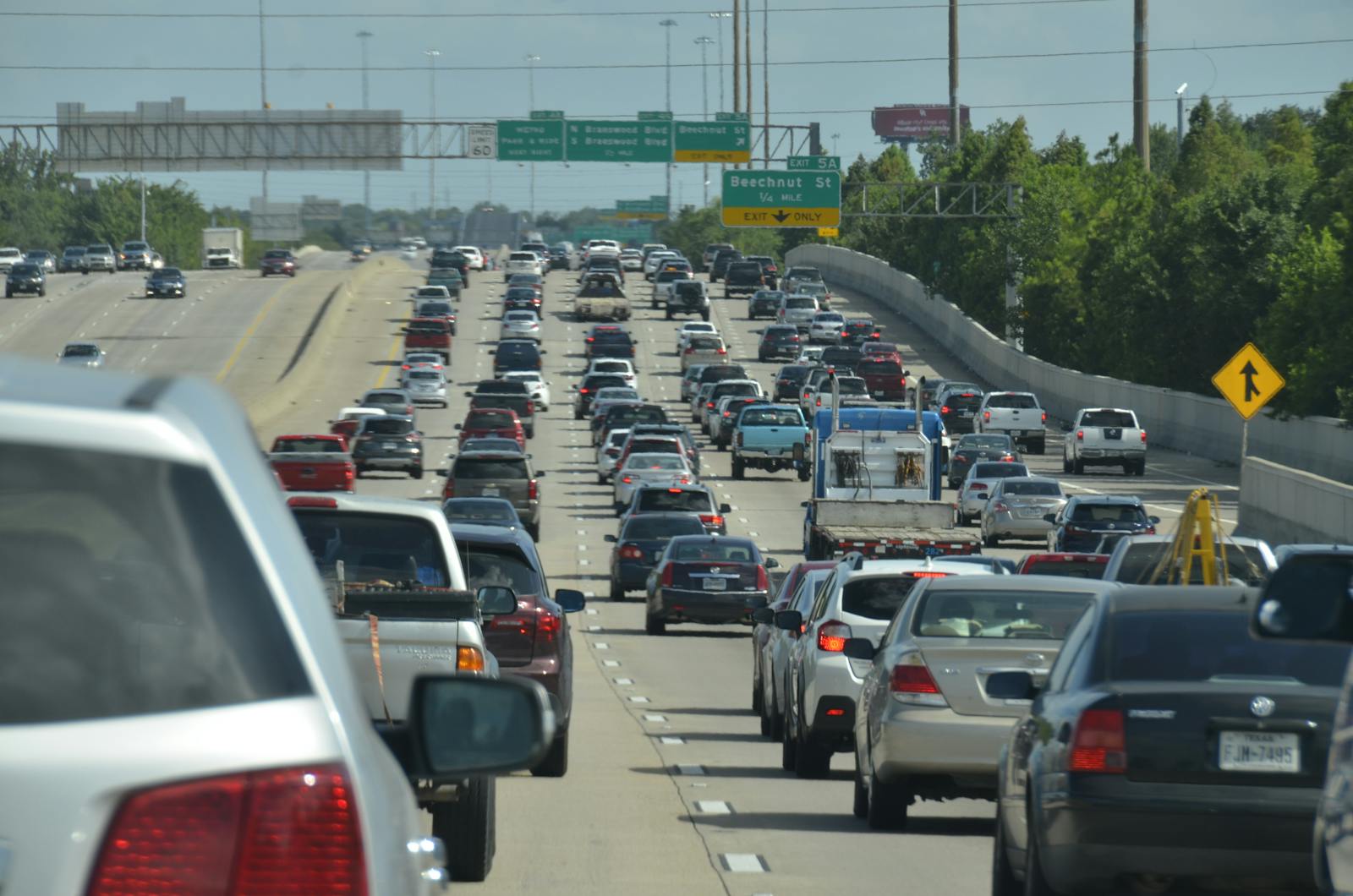
For years, the federal government pressed car companies to reduce pollution and improve fuel efficiency through Federal Vehicle Standards. The impetus was clear: “The transportation sector is the largest source of U.S. greenhouse gas emissions, accounting for 27.2 percent of the total.”
The rise in electric car sales prompted the Biden Administration to accelerate these efforts. According to The New York Times, “The president is restoring and strengthening tailpipe emissions regulations from the Obama era and has set a target that half of all vehicles sold in the United States be electric by 2030.”
The Trump Administration reversed most of these emissions-reduction rules. The President stated, “We’re officially terminating Joe Biden’s ridiculously burdensome, horrible, actually, CAFE (Corporate Average Fuel Economy) standards that impose expensive restrictions and all sorts of problems—gave all sorts of problems to automakers. And we’re not only talking about here, we’re talking about outside of our country.”
Regardless of federal policy, not all cars are created equal. At the far end of the spectrum are vehicles that produce enormous amounts of pollution. Climate Crisis247 identified the worst offenders, drawing primarily from the American Council for an Energy-Efficient Economy (ACEEE)’s GreenerCars report. The researchers explained: “GreenerCars is an annual assessment of every new model in the U.S. light-duty vehicle market. It is based on a lifecycle assessment of the greenhouse gas and criteria pollutant emissions from the production, use, and disposal of each vehicle.”
Lower “Green Scores” (on a scale of zero to 100) indicate worse environmental impact, with the “Meanest List” highlighting the worst performers.
The scoring criteria are comprehensive: “In addition to assessing the emissions from fuel burned in a vehicle’s engine, we assess the upstream emissions generated by electricity used by a vehicle, emissions produced when mining and processing minerals for batteries, and emissions from manufacturing vehicles and vehicle components.”
Most of the “least green cars” are luxury performance vehicles and heavy trucks. We verified the data through fueleconomy.gov and manufacturer websites, and included prices reflecting each company’s MSRP (Manufacturer’s Suggested Retail Price) for 2025 or 2026 models. Prices appear as ranges because each vehicle offers multiple configurations based on accessories, engine sizes, and trim levels. Taxes, titles, and registration fees are excluded.
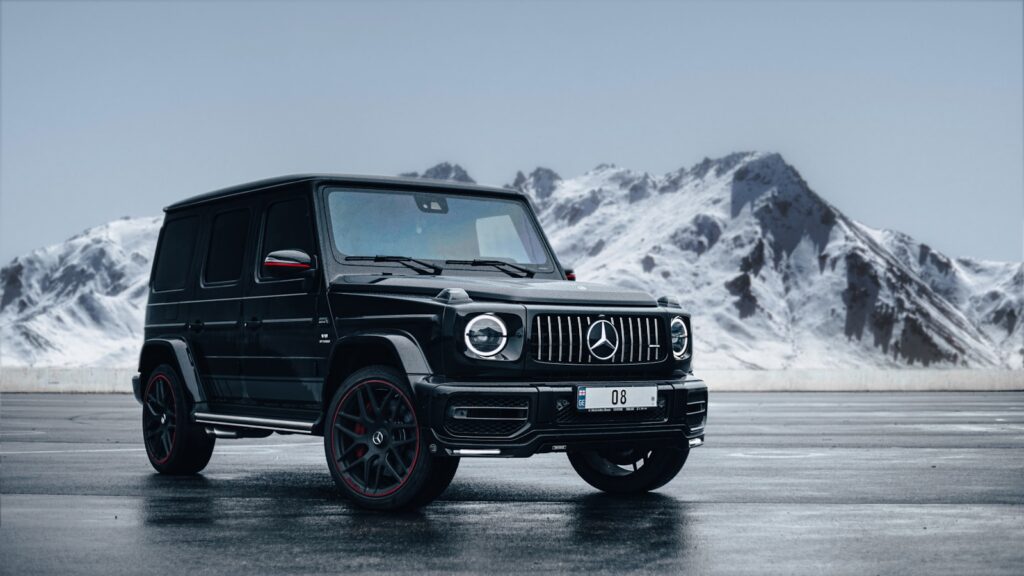
Mercedes-Benz AMG G63 (Gas) – Green Score: 20
Starting Price (2026 model): ~$195,500–$196,700
Iconic luxury off-roader with V8 engine; annual fuel cost often exceeds $4,000.
Ram 1500 TRX 4×4 – Green Score: 22
Starting Price (upcoming/revived model): ~$99,995–$102,590
Supercharged V8 performance truck.
Ford F-150 Raptor R (Gas) – Green Score: 24
Starting Price (2026 model): ~$81,600 base for Raptor; Raptor R variants often $110,000–$140,000+
High-output supercharged V8.
Cadillac Escalade V (AWD, Gas) – Green Score: 26
Starting Price (2026 model): ~$170,000–$180,000+
Supercharged V8 luxury mega-SUV.
Dodge Durango SRT (includes SRT Hellcat variants) – Green Score: 26
Starting Price (2026 SRT Hellcat): ~$80,590–$85,000 base, up to $101,000+ for special editions
Supercharged Hellcat V8 performance SUV.
Other frequent high-polluters in similar rankings include the Jeep Wrangler 4dr 4×4 (~$40,000+ starting) and Jeep Grand Wagoneer (~$95,000+), though exact Green Scores may vary with model updates.
The average pollution level of American cars could rise quickly. EV sales have dropped sharply following the federal government’s elimination of the $7,500 tax credit for EV purchases, as detailed on the IRS website. A final major challenge: on average, EVs are more expensive than gas-powered vehicles. Kelley Blue Book puts that difference at almost $10,000 for a new vehicle.
Note: Pollution in this context means tailpipe CO₂ (climate impact) or criteria pollutants such as NOx/PM (air quality/smog). Additional ranking criteria include greenhouse gas and climate impact due to regulations addressing tailpipe toxins. Electric vehicles—even heavy ones like the GMC Hummer EV—sometimes appear on “mean” lists due to lifecycle manufacturing impacts, but traditional gas guzzlers dominate the worst spots.
More from ClimateCrisis 247
- The Driest Places in America This Year
- Due to Low Sales, These Are The EVs That Disappeared This Year
- Coldest Games in NFL History
- Climate Denial in America’s Fastest Warming Congressional Districts