U.S. Cities With Most Record Lows in 2025
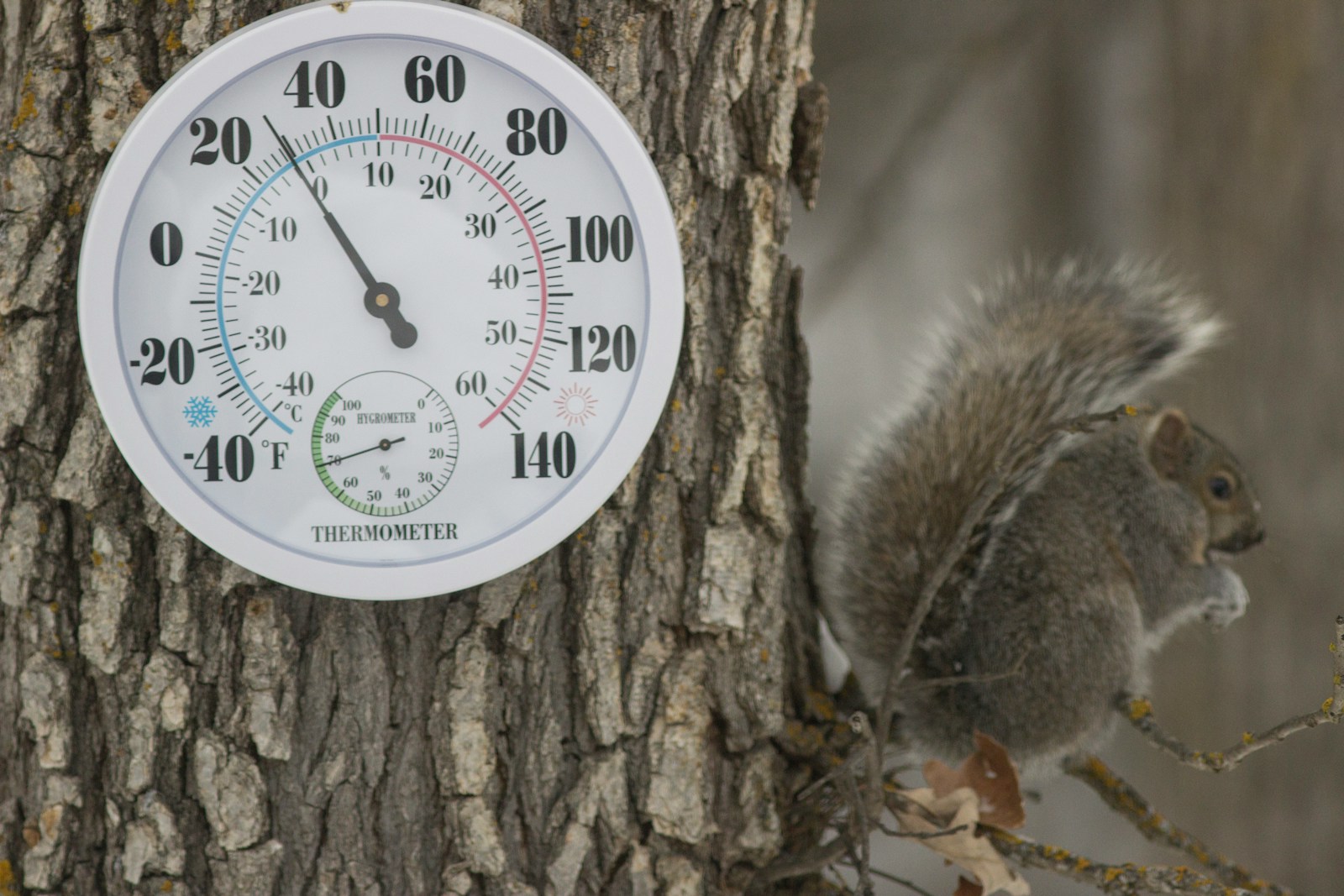
One week into the new year, and preliminary data suggests that 2025 will go down as one of the three warmest years on record globally. Around the world, the average temperature last year was well above historical norms, exceeding the pre-industrial average by more than 2.7°F, a threshold established in the 2015 Paris Agreement. In the continental United States, the year started off with a colder than average January, but temperatures quickly climbed. Between April and November, the most recent eight month period of available data, the average temperature across the Lower 48 was 63.4°F – topping the 20th century average by 2.6°F, and making that eight month stretch in 2025 the second warmest of any year in U.S. history.
A recent study from the independent non-profit research organization Climate Central analyzed daily temperature data from January through November 2025 in 247 U.S. cities. According to the findings, high temperatures broke daily records in hundreds of American cities in the first 11 months of 2025.
But even in a year of historic heat, in many cities across the country, temperatures dropped far enough below historical norms that they matched or broke daily record lows. While record-lows were more common in certain parts of the country, in each of the nine climate regions that make up the continental United States, there was at least one city that reported two or more new local daily lows last year.
Using data from Climate Central, Climate Crisis 247 identified the city in each of the nine continental U.S. climate regions that reported the most new, daily record-lows in 2025. Supplemental data on new record low temperatures, and when they were reported, are also from Climate Crisis, and data on previous daily lows and 30-year average temperatures are from the National Oceanic and Atmospheric Administration. The share of new local daily lows in 2025 for which human-caused climate change was likely a factor was determined using Climate Crisis’ Climate Shift Index. Only the 247 places included in the Climate Crisis study were considered, and those that are not a single city or metro area confined to a single state were excluded from analysis.
Among the cities on this list, the number of dates with record-low temperatures in 2025 ranges from two to 10. In these places, daily record-lows were reported in nine of the 10 months of last year with available data, including seven record-lows in August, nine in January, and 15 in February.
While each of the nine climate regions reported warmer-than-average temperatures in 2025, relative to 20th century regional baseline averages, the Southeastern U.S. had the coldest year. The Southeast was also the only region where a single city – Dothan, Alabama – reported more than nine days of record-breaking cold in 2025. One of those days was January 22, when the temperature fell to 9°F – well below the previous daily record of 17°F that had stood since 1985. Historically, the average temperature in Dothan on January 22 is about 51°F.

9. Northwest: Seattle/Tacoma, Washington
- New daily record low temperatures reported in 2025: 2 (human-caused climate change was likely a factor in 100% of new records)
- Number of record low temperatures by month: 2 in February
- Lowest record-breaking temperature last year: 20°F on February 12, 2025
- Previous daily low in Seattle/Tacoma, WA: 21°F in 1949
- Historic temperature norms in Seattle/Tacoma, WA for Feb. 12, 1991-2020: 43.7°F daily avg.; 37.5°F daily low
8. Southwest: Prescott, Arizona
- New daily record low temperatures reported in 2025: 2 (human-caused climate change was likely a factor in 100% of new records)
- Number of record low temperatures by month: 2 in January
- Lowest record-breaking temperature last year: 10°F on January 21, 2025
- Previous daily low in Prescott, AZ: 12°F in 1990
- Historic temperature norms in Prescott, AZ for Jan. 21, 1991-2020: 38.6°F daily avg.; 24°F daily low
7. West: Eureka, California
- New daily record low temperatures reported in 2025: 4 (human-caused climate change was likely a factor in 100% of new records)
- Number of record low temperatures by month: 1 in January, 3 in February
- Lowest record-breaking temperature last year: 28°F on February 12, 2025
- Previous daily low in Eureka, CA: 29°F in 2001
- Historic temperature norms in Eureka, CA for Feb. 12, 1991-2020: 48.3°F daily avg.; 41.2°F daily low
6. Upper Midwest: Ottumwa, Iowa
- New daily record low temperatures reported in 2025: 5 (human-caused climate change was likely a factor in 100% of new records)
- Number of record low temperatures by month: 2 in August, 1 in September
- Lowest record-breaking temperature last year: 39°F on September 7, 2025
- Previous daily low in Ottumwa, IA: 41°F in 1956
- Historic temperature norms in Ottumwa, IA for Sept. 7, 1991-2020: 68.3°F daily avg.; 56.4°F daily low
5. Northeast: Watertown, New York
- New daily record low temperatures reported in 2025: 5 (human-caused climate change was likely a factor in 60% of new records)
- Number of record low temperatures by month: 1 in February, 2 in April, 1 in July, 1 in August
- Lowest record-breaking temperature last year: -16°F on February 20, 2025
- Previous daily low in Watertown, NY: -16°F in 1950
- Historic temperature norms in Watertown, NY for Feb. 20, 1991-2020: 22.4°F daily avg.; 12.9°F daily low
4. Northern Rockies & Plains: Glendive, Montana
- New daily record low temperatures reported in 2025: 6 (human-caused climate change was likely a factor in 0% of new records)
- Number of record low temperatures by month: 5 in February, 1 in March
- Lowest record-breaking temperature last year: -38°F on February 19, 2025
- Previous daily low in Glendive, MT: -38°F in 1929
- Historic temperature norms in Glendive, MT for Feb. 19, 1991-2020: 24.1°F daily avg.; 13.2°F daily low
3. South: Laredo, Texas
- New daily record low temperatures reported in 2025: 7 (human-caused climate change was likely a factor in 71% of new records)
- Number of record low temperatures by month: 3 in January, 1 in February, 1 in March, 1 in May, 1 in July
- Lowest record-breaking temperature last year: 22°F on January 22, 2025
- Previous daily low in Laredo, TX: 28°F in 1985
- Historic temperature norms in Laredo, TX for Jan. 22, 1991-2020: 58.1°F daily avg.; 47.2°F daily low
2. Ohio Valley: Hazard, Kentucky
- New daily record low temperatures reported in 2025: 9 (human-caused climate change was likely a factor in 44% of new records)
- Number of record low temperatures by month: 1 in January, 2 in February, 2 in May, 2 in August, 2 in November
- Lowest record-breaking temperature last year: 0°F on January 22, 2025
- Previous daily low in Hazard, KY: 0°F in 2014
- Historic temperature norms in Hazard, KY for Jan. 22, 1991-2020: 35.6°F daily avg.; 26.9°F daily low
1. Southeast: Dothan, Alabama
- New daily record low temperatures reported in 2025: 10 (human-caused climate change was likely a factor in 70% of new records)
- Number of record low temperatures by month: 2 in January, 1 in February, 2 in August, 3 in September, 2 in November
- Lowest record-breaking temperature last year: 9°F on January 22, 2025
- Previous daily low in Dothan, AL: 17°F in 1985
- Historic temperature norms in Dothan, AL for Jan. 22, 1991-2020: 50.7°F daily avg.; 39.6°F daily low
Sponsor
Find a Vetted Financial Advisor
- Finding a fiduciary financial advisor doesn't have to be hard. SmartAsset's free tool matches you with up to 3 financial advisors that serve your area in 5 minutes.
- Each advisor has been vetted by SmartAsset and is held to a fiduciary standard to act in your best interests. Get on the path toward achieving your financial goals!