What Was The Snowiest Year In America’s 20 Largest Cities
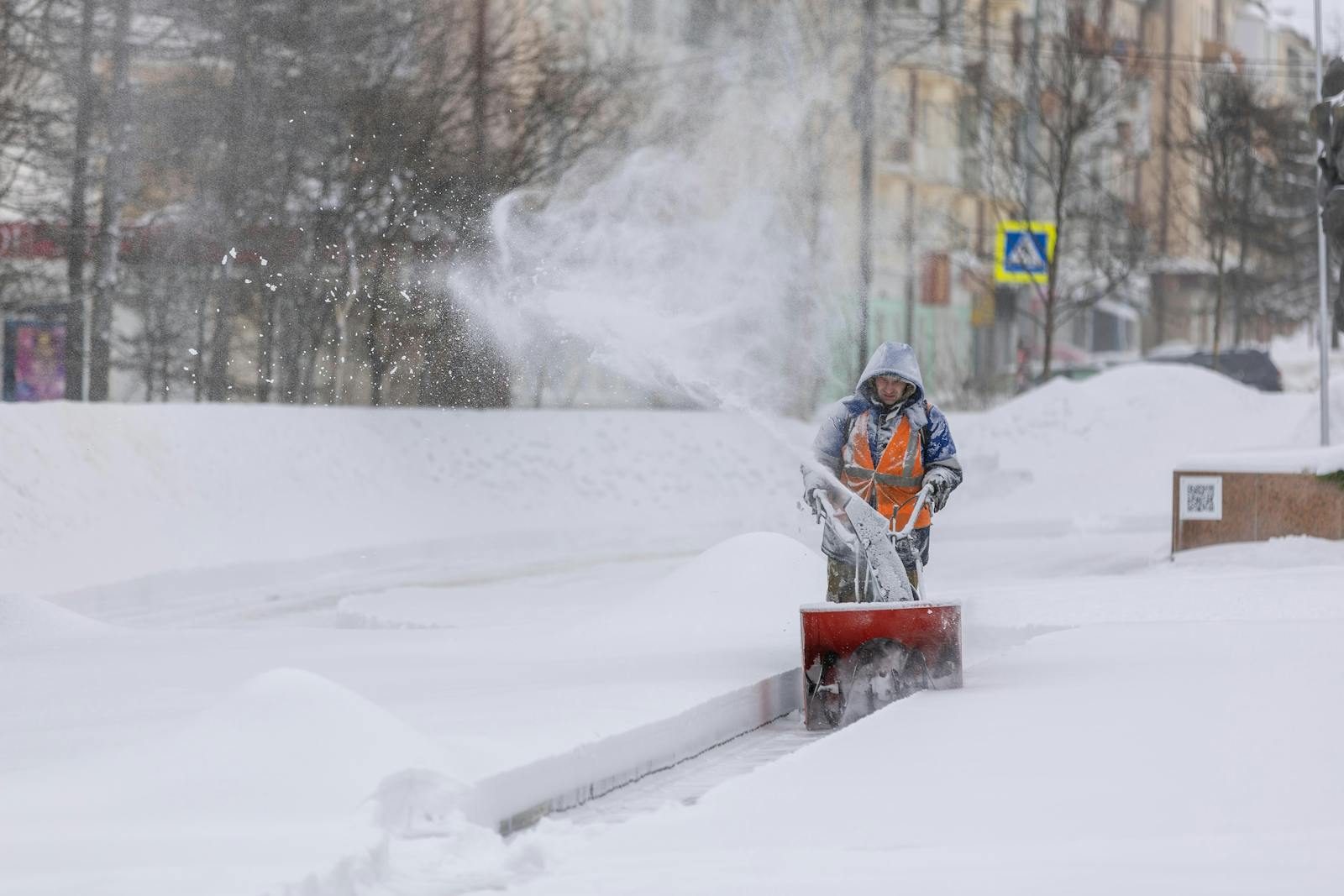
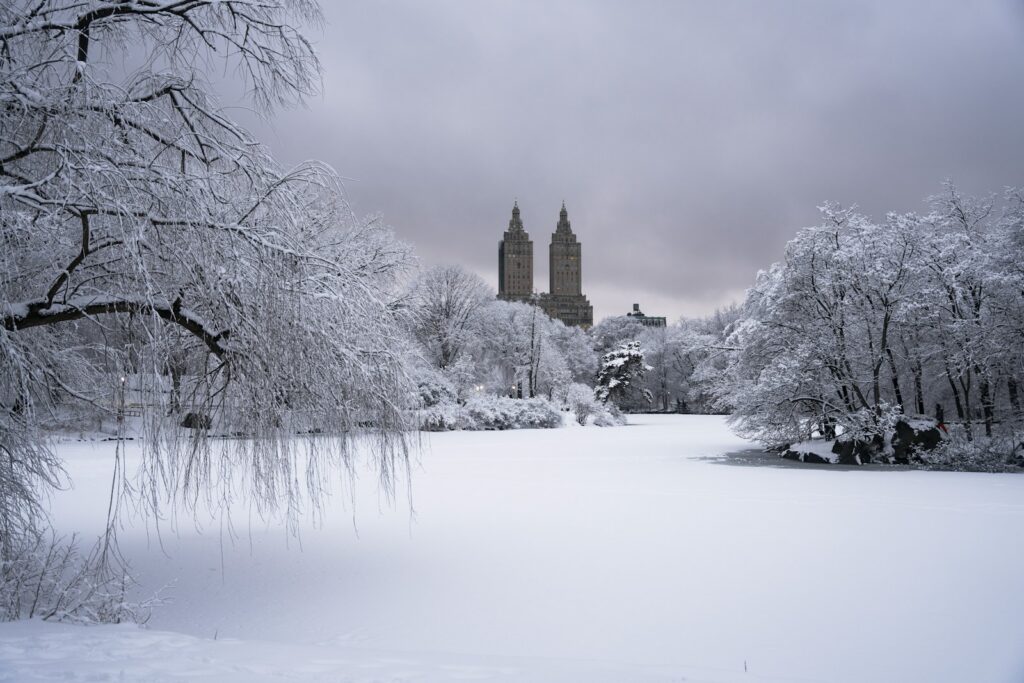
The massive storm that roared across the US last week left large amounts of snow in many cities. New York, the nation’s largest city, received almost a foot—an uncharacteristically large amount for a single storm. However, when viewed over an entire winter season, this is relatively modest. Since the turn of the century, New York’s snowiest winter was 2010-2011, when the total reached 61.9 inches.
Climate Crisis 247 analyzed data from official NOAA/NWS stations in each of America’s largest cities to determine which year this century produced the heaviest snowfall for each location. The National Weather Service uses meteorological seasons for official forecasting, climate data, and statistics. These are fixed, calendar-based periods aligned with monthly data for consistent year-to-year comparisons. For winter, the NWS period runs from December 1 through the end of February. For other purposes, the astronomical winter is often listed as December 21 to March 20.
City sizes are based on “City and Town Population Totals: 2020-2024” from the Census and reflect each city proper, meaning Metropolitan Statistical Area (MSA) data is not used. If MSA data were included, populations could be double what they are in this analysis. For example, New York’s population was 8,478,072 in 2024, the most recent data available. Because winter seasons straddle two years, they are listed as “2010-2011,” for example.
Several cities received what are called trace amounts of snow. The NWS explains: “Snow often melts as it lands. If snow continually melts as it lands, and the accumulation never reaches 0.1 inches on your measuring surface, snowfall should be recorded as a trace.”
Six of the top 20 cities had trace amounts of snow as their highest total in any winter season since the start of the century: Los Angeles, Phoenix, San Diego, San Jose, Jacksonville, and San Francisco.
The city with the highest single-season total is Chicago in 2013-2014, which recorded 82.0 inches. According to the Journal of Applied Meteorology and Climatology, “The 2013/14 winter in the Midwest, which was characterized by frequent snowstorms and outbreaks of arctic air, brought back memories to long-term residents of winters experienced in the late 1970s.”
Denver’s total is slightly behind Chicago’s. It reached 80.2 inches in the 2020-2021 season.
Top 20 Cities by Highest Seasonal Snowfall Since 2000
| Rank | City | Highest Seasonal Snowfall (inches) | Season |
|---|---|---|---|
| 1 | New York City, NY | 61.9 | 2010-2011 |
| 2 | Los Angeles, CA | 0 | N/A |
| 3 | Chicago, IL | 82.0 | 2013-2014 |
| 4 | Houston, TX | 1.0 | 2004-2005 |
| 5 | Phoenix, AZ | 0 | N/A |
| 6 | Philadelphia, PA | 78.7 | 2009-2010 |
| 7 | San Antonio, TX | 2.3 | 2017-2018 |
| 8 | San Diego, CA | 0 | N/A |
| 9 | Dallas, TX | 17.1 | 2009-2010 |
| 10 | San Jose, CA | 0 | N/A |
| 11 | Austin, TX | 7.8 | 2020-2021 |
| 12 | Jacksonville, FL | 0 | N/A |
| 13 | Fort Worth, TX | 17.1 | 2009-2010 |
| 14 | Columbus, OH | 56.4 | 2013-2014 |
| 15 | Charlotte, NC | 10.4 | 2018-2019 |
| 16 | Indianapolis, IN | 55.7 | 2013-2014 |
| 17 | San Francisco, CA | 0 | N/A |
| 18 | Seattle, WA | 20.4 | 2018-2019 |
| 19 | Denver, CO | 80.2 | 2020-2021 |
| 20 | Oklahoma City, OK | 20.0 | 2009-2010 |
Geographic Patterns:
- Denver holds the highest single-season total on this list (80.2 inches in 2020-2021), owing to its high-altitude location.
- Northern and Midwest cities like Chicago, Columbus, Indianapolis, New York City, and Philadelphia show the most variability and highest peaks, driven by lake-effect snow, nor’easters, and continental weather patterns.
- Southern and coastal cities (most of the bottom half) have experienced effectively zero or negligible seasonal snowfall during this period, with entire winters often passing snow-free.
Notable Snow Events:
- Houston’s 1.0 inch came from a rare Christmas Eve snow in 2004.
- Austin’s 7.8 inches resulted from the 2021 winter storm.
Methodology Notes: These are seasonal totals (not calendar year), as “annual snowfall” in climatology refers to winter accumulation season. Exact figures can vary slightly by station (airport versus downtown location). Ongoing 2025-2026 seasons, which have included major storms in January 2026 affecting places like New York City and Columbus, may update some peaks if they exceed prior records.