
fed Threatens Renewables Funding
The Federal Reserve raised rates. It may do that twice more before the end of the year. Many renewables projects are considered risky investments. Raising money in a high-interest-rate environment is hard.

The Federal Reserve raised rates. It may do that twice more before the end of the year. Many renewables projects are considered risky investments. Raising money in a high-interest-rate environment is hard.
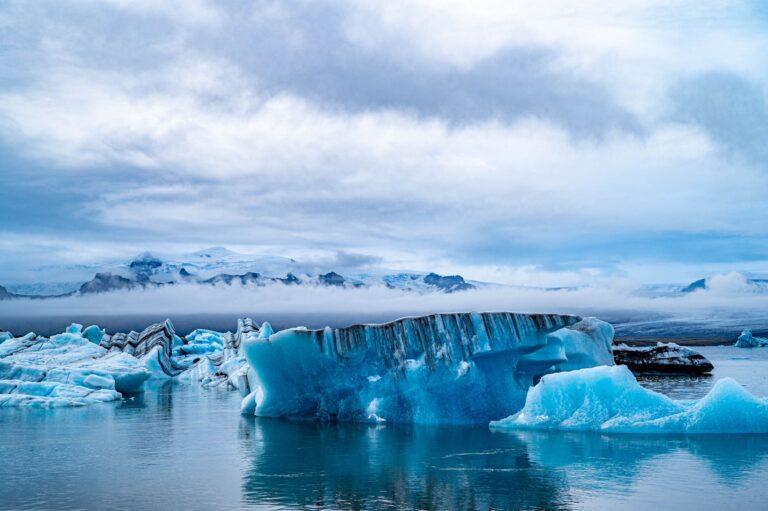
A new, extensive S&P report on the world’s energy needs over the next few decades says that keeping temperature increases below 2 degrees C above pre-industrial levels will be almost impossible. The question is how much can be done to limit the upside risk.

If the Endangered Species Act loses much of its enforcement, many species that are already near extinction will be gone within a few years.
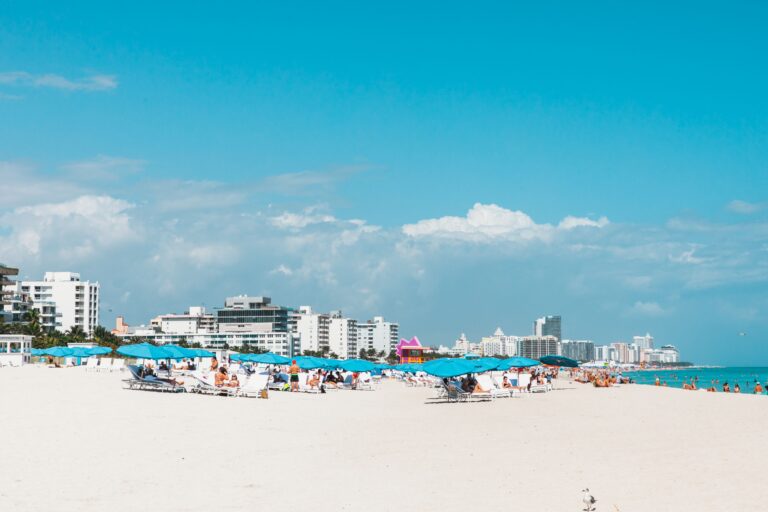
A new study of real estate off the coast of Miami shows that 35 high-rises directly on the water are sinking. No one has a solution. Over time, the ocean is getting higher and higher.
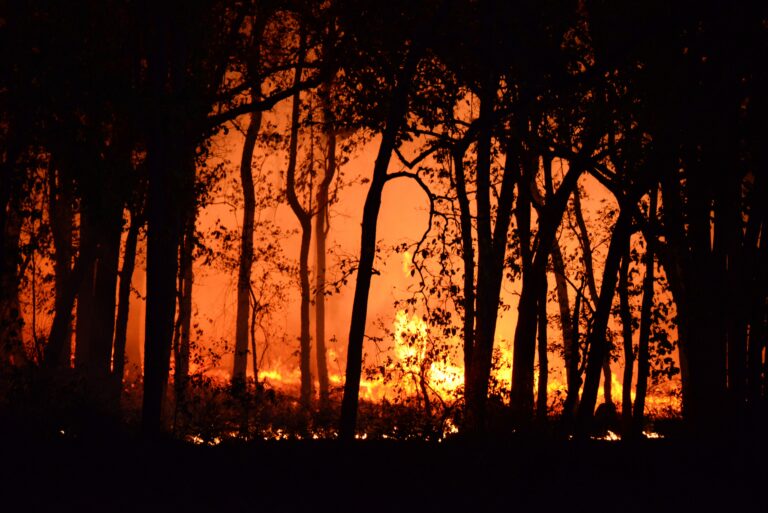
The US has had 56,000 wildfires this year. They have burned 8.5 million acres. Both numbers are records. The reasons are heat and drought, neither of which will change. Another byproduct of this that won’t disappear is smoke that spread as far as New York.

A new AP poll asks what Americans are most concerned about regarding the environment. AI’s effects topped those of meat consumption.

“Extreme Weather Survivors” is a group of people from around the US who share stories about their disasters with others facing similar problems. These people may have faced floods, droughts, hurricanes, tornadoes, hail, or wildfires. The challenge is that they don’t help one another financially, which is what most members really need.
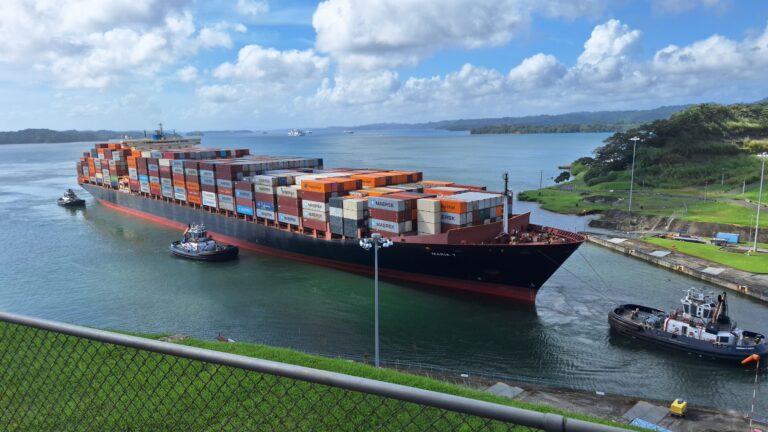
Weather patterns have partially dried up the reservoirs serving the Panama Canal. It is part of a growing drought in this section of the world. It means that fewer ships can use the canal. The blockade of the Strait of Hormuz has already slowed global shipping considerably. It is another example of how climate problems…
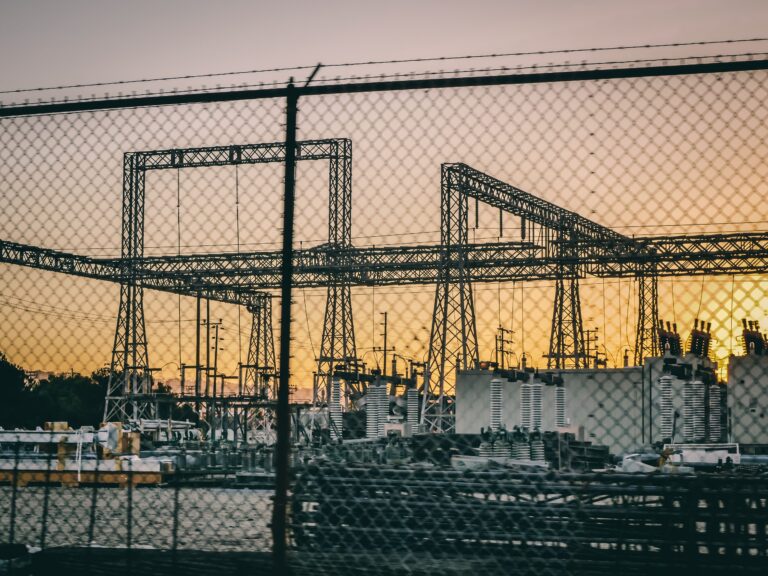
It’s called flexible electricity use. When residential and legacy business electricity demand peaks, AI data centers will throttle back their use. When legacy use is low, they will draw more from the grid. The key is batteries that store energy for data centers when the grid is strained. If it works. the need for fossil…
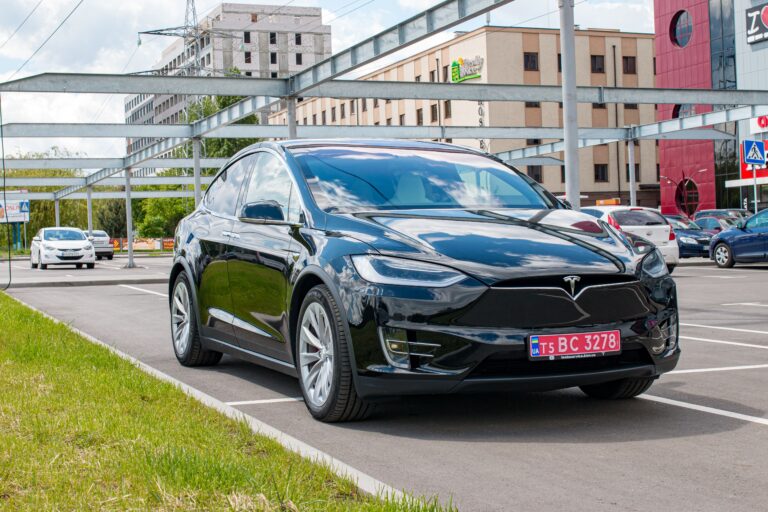
iSeeCars says the Tesla Model X is America’s longest-lasting car. About 3.6% of them last 250,000 miles. Unfortunately, that is only about half the industry average for all cars, SUVs, and pickups.
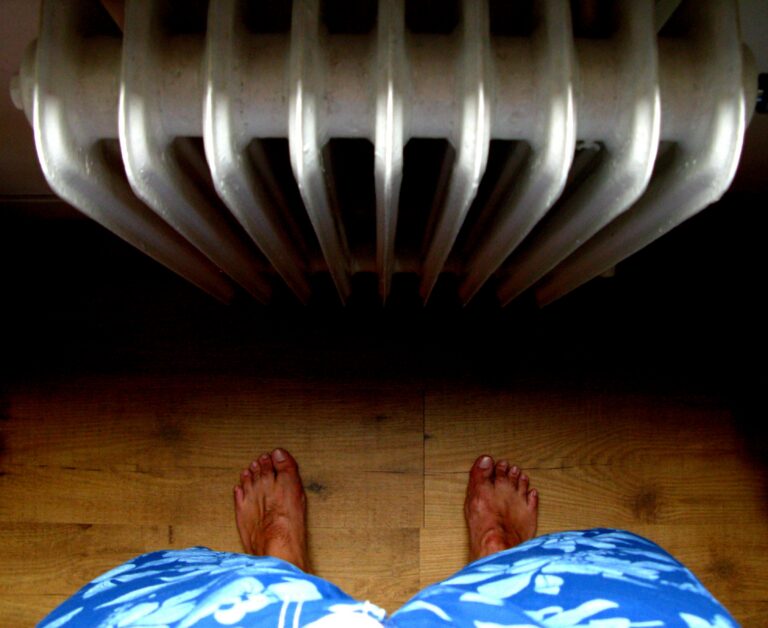
Home heating oil prices are up 75% this month compared to September last year. For some people, it’s a byproduct of not installing solar. That, in turn, was undermined by the end of the federal residential solar tax credit.

Because of what is possibly a danger to humans, AI development may be slowed considerably. That probably means a slowdown in AI data centers. Most AI data centers run on fossil fuels.
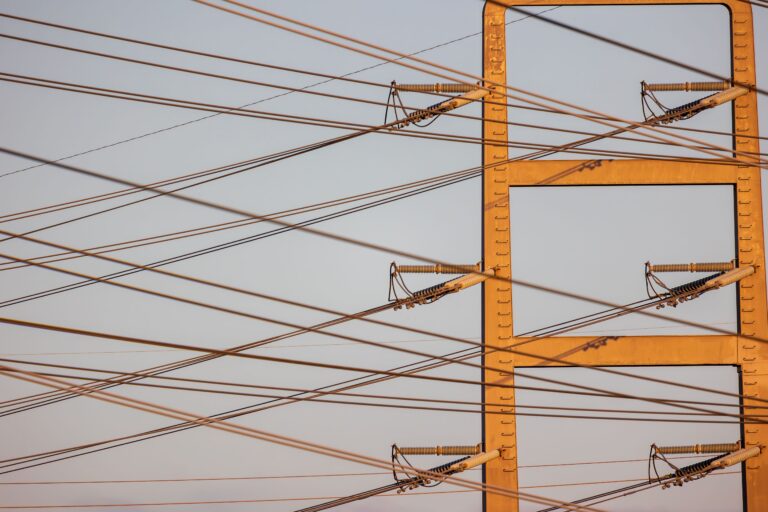
America will need to build out infrastructure to handle electricity for data centers. Generating the additional supply will cost $110 billion. Fossil fuels are the easiest path. In some cases, working wind power isn’t even att attached to the grids
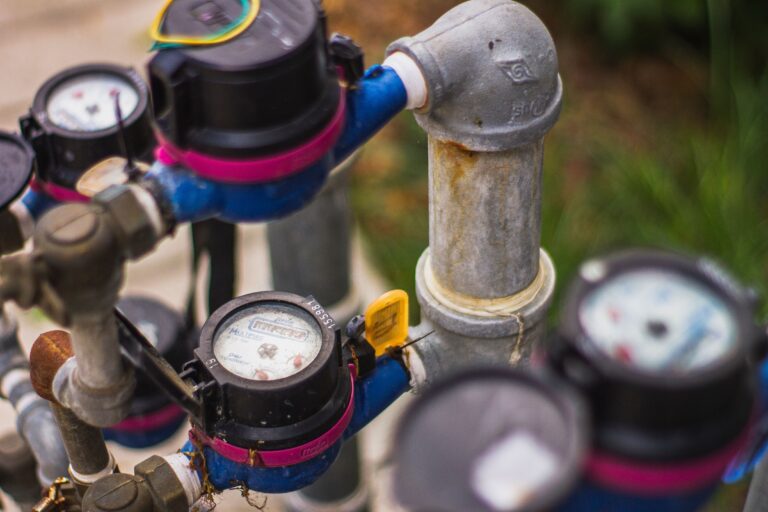
Bloomberg reports that Iranian terrorists appear to have hacked into the water systems in US cities. And it appears they are trying to mix in poisons.
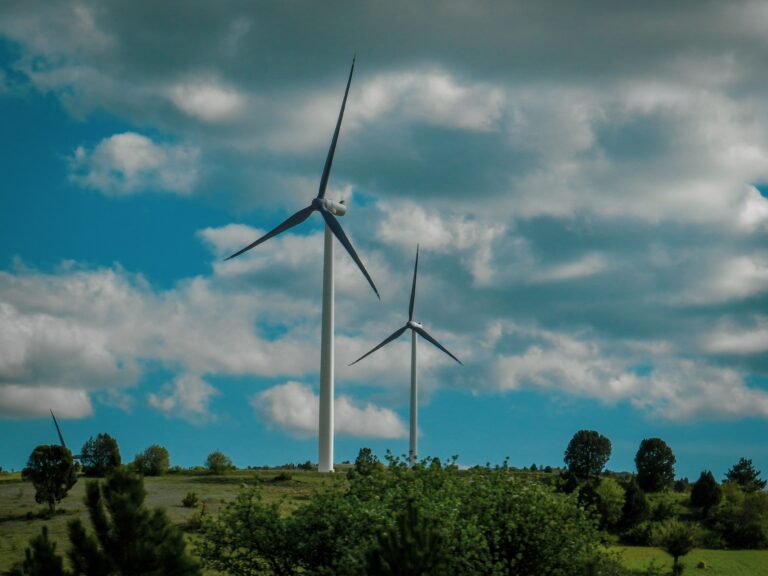
The Middle East war is driving up oil prices. That means inflation. It also means lower disposable income for many Americans who rely on oil-based products like gas. Low disposable income hurts GDP. These are high energy prices. however. and push people toward green energy.
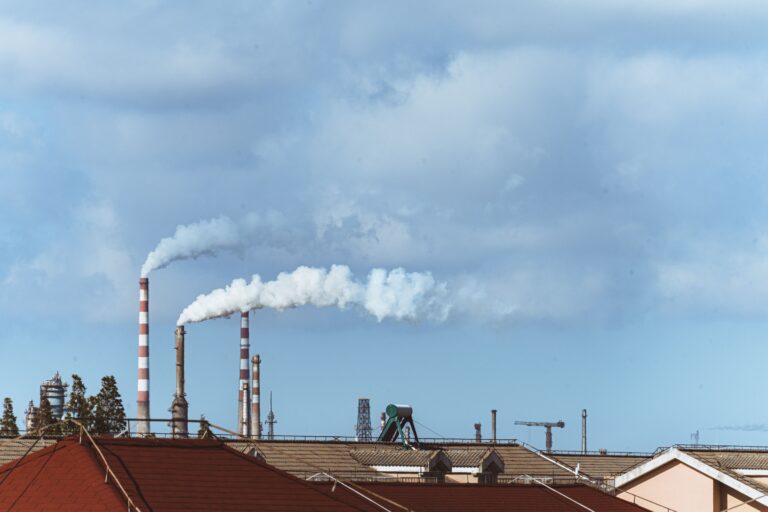
The Trump Administration plans to end emission rules for gas- and oil-burning factories. Power plants are America’s second-largest source of CO2 emissions.

LEGO uses a large amount of fossil fuel to make its plastics. It has pledged to change how it manufactures its products to make the process greener.

AI data centers use more electricity in some regions than utilities can supply. And AI data centers can use as much electricity as a medium-sized city. Most electricity comes from fossil fuels. Utilities need to supplement that with another energy source. That will almost certainly be nuclear, solar, or wind.
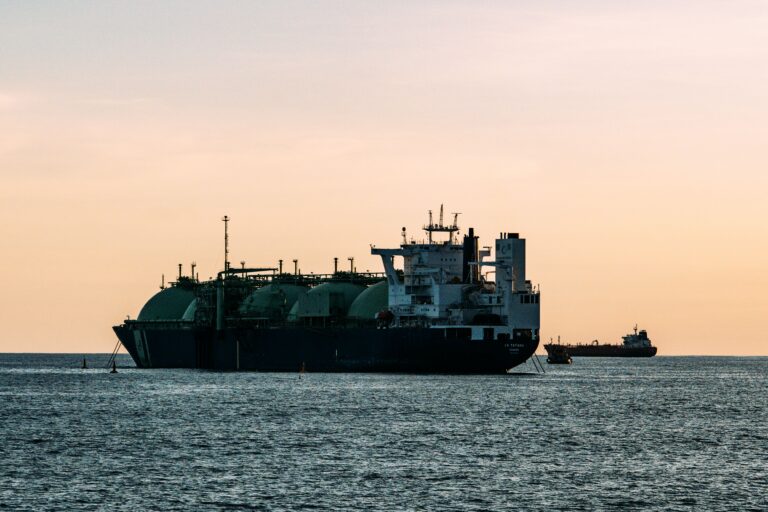
As the war in the Middle East heats up, crude supply from the region dwindles. This has driven oil prices to $108. In the US, that means higher costs for home heating oil and gasoline. It will also affect jet fuel and petrochemicals. Each of these problems makes solar, EVs, and wind energy more viable

In some California cities, the average price of a gallon of regular gas is $6. At 40 million people, it is also the largest state by population. It also has the most EVs. In the short term, the problem is that disposable income is the primary component of GDP. There is more to $6 gas…

Car companies can’t sell EVs. People worry about how far they will go on a charge. They also worry about how many charging stations are available. So, the manufacturers have added small gas-powered engines to charge batteries when they are low. So much for the argument that they avoid the use of fossil fuels.