
Wildfire Insurance Starts To Disappear
Several studies show that insurance companies are walking away from places like Los Angeles, leaving residents without safety nets. That means some face the potential of million-dollar losses.
Several studies show that insurance companies are walking away from places like Los Angeles, leaving residents without safety nets. That means some face the potential of million-dollar losses.

Scientists described the recent increase as “uncharted territory” according to the FT. The data from the EU’s Copernicus Climate Change Service and Copernicus Marine show that experts are concerned the climate outlook could be dire.

According to the new Case-Schiller housing data, home prices continue to rise. One notable exception is Tampa, where they are falling. Is it the hurricanes, or the high insurance rates they bring?
The Energy Institute has released its annual report on global energy generation and use. Renewables use is rising fast, but not fast enough. The hope was that fossil fuel use would drop. It hasn’t. And coal use is unusually strong.

The water around Key West, from the South Atlantic to the Gulf of Mexico, reached 90 degrees. The primary reason hurricanes gain power so quickly in the region is this factor

New York City will experience a 110-degree heat index over the next few days. It could break several records. The grid may not be able to handle the strain. And people living in poverty may not have air conditioning.

85% of Nebraska suffers from drought. It is one of the largest grain producers in the nation. That means a shortage of food and cattle feed. That means inflation.

There have already been 35,000 wildfires, a record for year to date. And, heat and drought have spread east to Florida and Virginia, which means wildfires are not just a western problem.

It used to be that most severe drought problems were in places like the western US and North Africa. Extreme heat was the same for Southeast Asia, the Middle East, and India. Those things are no longer true, as EU weather shows.

It has been assumed that heat and air pollution damage human health, but only in the short term. Grist has discovered some of these effects last a lifetime.

New York City is facing 100-degree heat this week. The figure is extremely unusual. July and August are hotter every year

1,000 people have died from the heat in France. That means the death figures in the UK and EU will drive up the regional figures. At the same time, 100-degree heat is moving to NYC.

Texas will get a heat blast, as the UK, the EU, and Phoenix did last week. The same problems are on the way. One is death. The other is sharp drops in local GDP as some parts of the economy shut down.

Weather experts say that high heat and drought threaten parts of the West to wildfires in the next few days. However, the U.S. Drought Monitor shows that the risk has moved to Virginia and Florida, and that drought and temperature extremes are hitting most of the US.

The amount of electricity and water used by AI data centers is unimaginable. One data center can use 5 million gallons of water a day, which is about the same as a 25,000-person city. Electricity use is just as massive. That doesn’t just mean higher electricity rates. It means a tremendous amount of fossil fuels…

Of the 850 largest cities in the EU and UK, many were hit by extremely dangerous heat. Tempertures in the US will be at that level next week

The NOAA says the huge heat dome in the US will move East, bringing 110-degree heat indexes. Like in Europe, this also poses health risks.

The period of extreme heat in Europe and the UK is not over, but governments have counted several hundred dead. It is already extremely hot in the southeastern US, and a heat dome is moving east, bringing 100-degree temperatures.
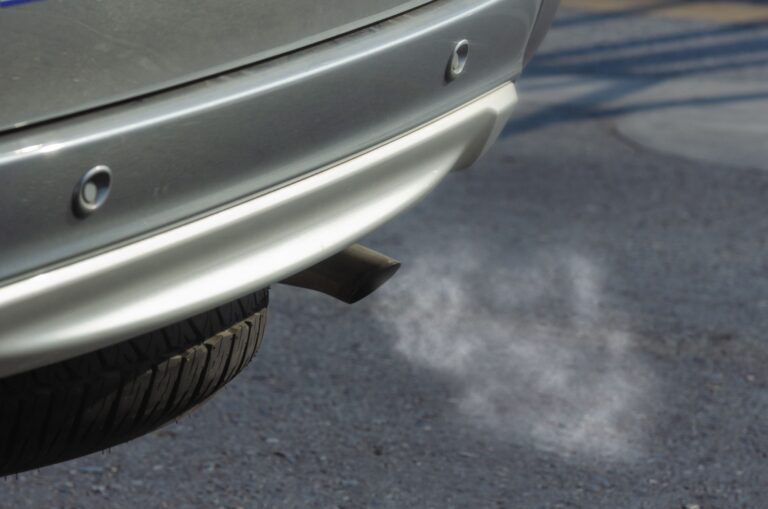
Slate begins accepting deposits for its $25,000 pickup this week. According to media reports, it is wildly popular. What many people do not know is that it is an EV and has zero carbon emissions.

A new study shows that a large AI data center can use up to 5 million gallons of water a day. That is about the same as a city of 25,000 people. It is no wonder the controversy about data center locations continues to grow.

EU temperatures are setting records across regions, with some reaching 107°F. However, it is even hotter in parts of the US, including the Southwest, where temperatures will top 111 degrees. At least the US has temperatures that will protect millions from the heat.