Here’s How EV Sales Have Soared The Last 10 Years, But Can it last?

Battery electric vehicles (BEVs) are fully electric with no gasoline engine. The following figures are approximate, compiled from sources including Argonne National Laboratory, the U.S. Department of Energy, Cox Automotive, and industry reports. In the early years, BEV sales were low as plug-in hybrids dominated the market. However, BEVs surged after 2018 with the introduction of models like the Tesla Model 3.
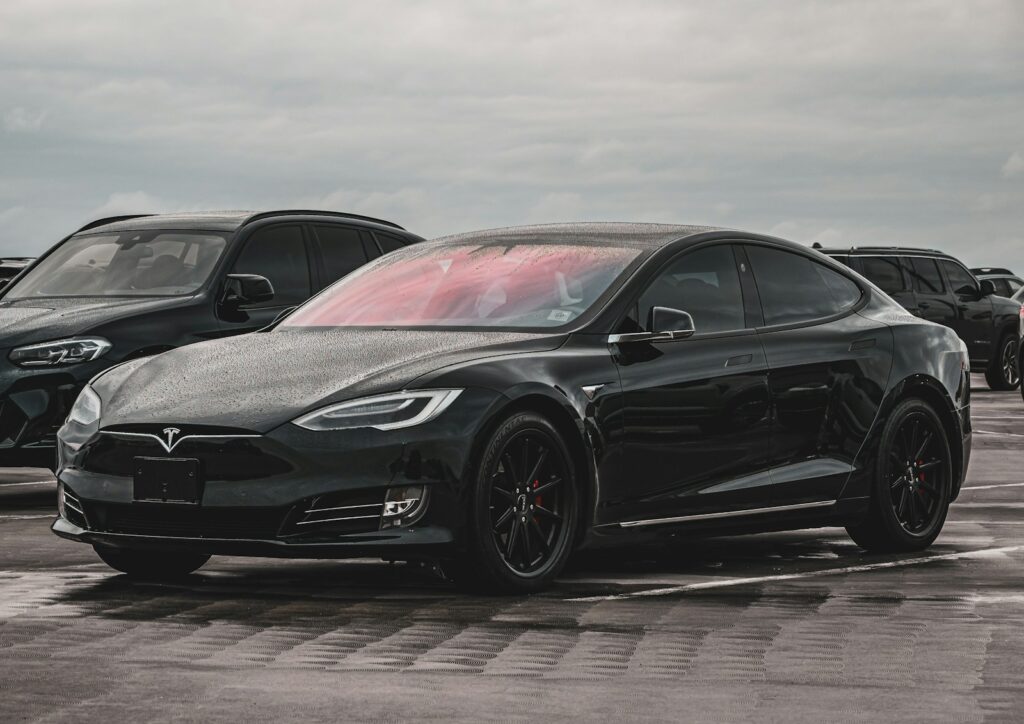
The story of EVs in the U.S. is largely the story of Tesla. The company commanded an 80% market share as recently as 2019 and maintained over 50% through early 2024, rebounding to 56% in the third quarter. Tesla’s dominance is reflected in its market valuation of $1.6 trillion as a public company—more than all other publicly traded automakers in the world combined.
Several of the world’s largest car manufacturers have attempted to break into the U.S. EV market with mixed results. Ford announced a $30 billion investment but expects to lose $5 billion on EVs this year. Despite this massive investment, the company holds less than 10% market share. European luxury brands, particularly BMW and Mercedes, have invested heavily in EV models priced above $80,000, hoping to capture the premium segment of the American market.
A key driver of rapid EV growth in the U.S. was the federal tax credit of $7,500 available to most EV buyers. The impact of this incentive became clear when it was discontinued on September 30. iSeeCars forecasts that EV sales as a percentage of all new car sales will drop from 8% in September to 4% in the fourth quarter and into next year.
Several factors explain why many consumers continue choosing gas-powered cars and hybrids over EVs. Price remains a significant barrier: the average new gas-powered car in the U.S. costs $49,000, compared to $59,000 for an EV.
Range anxiety is another concern for drivers. When the Biden Administration set a target of 50% of all new cars sold in the U.S. being EVs by 2030, there was an assumption that EVs would match the approximately 400-mile range of a gas-powered car on a full tank. Today, many EVs travel only 250 miles on a full charge.
Charging infrastructure has also lagged behind expectations. While there are 150,000 gas stations in the U.S., the goal of matching this number with public charging stations has not been reached.
Charging speed presents another challenge. According to Re-Volv, many electric cars can charge enough to travel 100 miles in approximately 35 minutes with a rapid charger. Additionally, EVs struggle to take a full charge in very cold weather.
EVs face several other disadvantages. Most car brands are sold through dealerships that include service departments where owners can get repairs and maintenance. While Ford has an established dealer network, Tesla has very few service locations, eliminating a major benefit of traditional car ownership.
Due to their rapid acceleration capabilities, EVs also wear through tires more quickly than most gas-powered cars.
Finally, limited model selection contributes to low adoption rates. Tesla, the U.S. sales leader, offers only four models plus its Cybertruck. In contrast, a large manufacturer like Ford can offer as many as 50 gas-powered models, giving consumers far more choices.
| Year | BEV Sales (approximate) | Notes / Market Share |
| 2015 | ~70,000 | Mostly Tesla Model S and Nissan Leaf; BEVs ~60% of total plug-ins. |
| 2016 | ~85,000 | Growth from BMW i3, Chevy Bolt preview. |
| 2017 | ~105,000 | Nissan Leaf refresh; Tesla dominant. |
| 2018 | ~240,000 | Tesla Model 3 launch drove massive increase. |
| 2019 | ~240,000 | Steady; some incentive phase-outs. |
| 2020 | ~225,000 | COVID impact; slight dip. |
| 2021 | ~465,000 | Strong growth; market share ~3%. |
| 2022 | ~800,000 | Nearly doubled; market share ~5.8%. |
| 2023 | ~1,100,000 | Record; market share ~7.3%. |
| 2024 | ~1,300,000 | ~18% growth; market share ~8.1% (BEVs ~80% of total plug-ins). |
More from ClimateCrisis 247
- The Heaviest Polluting Power Plants in the United States
- States Where Electricity Prices Are Surging Most
- The Largest Wildfires Burning In The US Today
- Hottest Cities Where the Most People Don’t Have Air Conditioning