U.S. Lakes That Disappeared
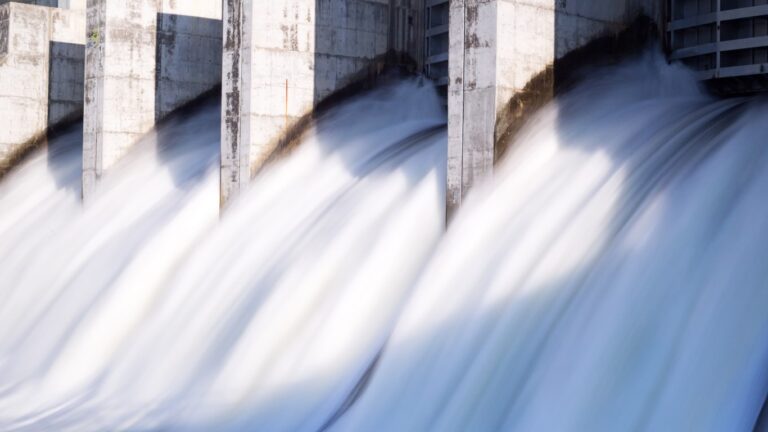
In 2022, experts worried that Lake Mead, the largest reservoir in the US, might dry up. Created by the Hoover Dam in 1935, it reached its lowest level since 1937. The Colorado River, which supplies its water, brought less water into the lake due to drought and changing weather patterns. This threat raised concerns on two fronts: Lake Mead provides water for 20 million people, including residents of major cities like Los Angeles and Las Vegas, according to the BBC. Additionally, the Hoover Dam produces electricity for one million people. While the lake’s level has risen somewhat, it remains near historic lows.
Two years ago, scientists warned that the Great Salt Lake—the largest saltwater lake in the Western Hemisphere—could disappear within five years. In 2023, experts feared nothing would remain but “toxic dust.”
While these two bodies of water still exist, several large lakes in the United States have been completely drained. In each case, the causes include environmental changes and human activities such as water diversion for agriculture, urban use, and infrastructure projects. Some losses result from natural processes like sinkholes or glacial changes, and some entries on this list are prehistoric or cyclical “ghost lakes” that occasionally reappear. However, others are gone entirely.
Notable Examples:
Tulare Lake (California) — Once the largest freshwater lake west of the Mississippi River, covering nearly 600 square miles, it was fully drained around 1890 due to river diversions and land reclamation for agriculture in the San Joaquin Valley. According to the US Geological Survey, “Rivers that once flowed into the basin are diverted to agriculture.” The lake has reappeared temporarily during extreme wet years, particularly in recent decades, but dries up again, earning it the “ghost lake” nickname.
Owens Lake (California) — This large salt lake dried up completely by 1926 after Los Angeles diverted the Owens River through the Los Angeles Aqueduct to supply the city. The former lake bed became a vast dry plain notorious for toxic dust storms. However, that air quality problem has been largely solved in recent years. According to the Los Angeles Department of Water and Power, “Dust emissions at Owens Lake have been reduced by 99.4%.”
Lake Peigneur (Louisiana) — In 1980, an oil drilling accident punctured an underground salt mine, causing the entire lake (approximately 1,300–1,500 acres) to drain rapidly into the cavern below, forming a massive whirlpool. Condé Nast Traveler reports, “On the morning of November 21, 1980, a Texaco oil rig team on Louisiana’s Lake Peigneur noticed that their drill had seized up below the surface of the shallow lake.” The lake later refilled with saltwater from the Gulf of Mexico, but the original freshwater lake effectively disappeared in that event.
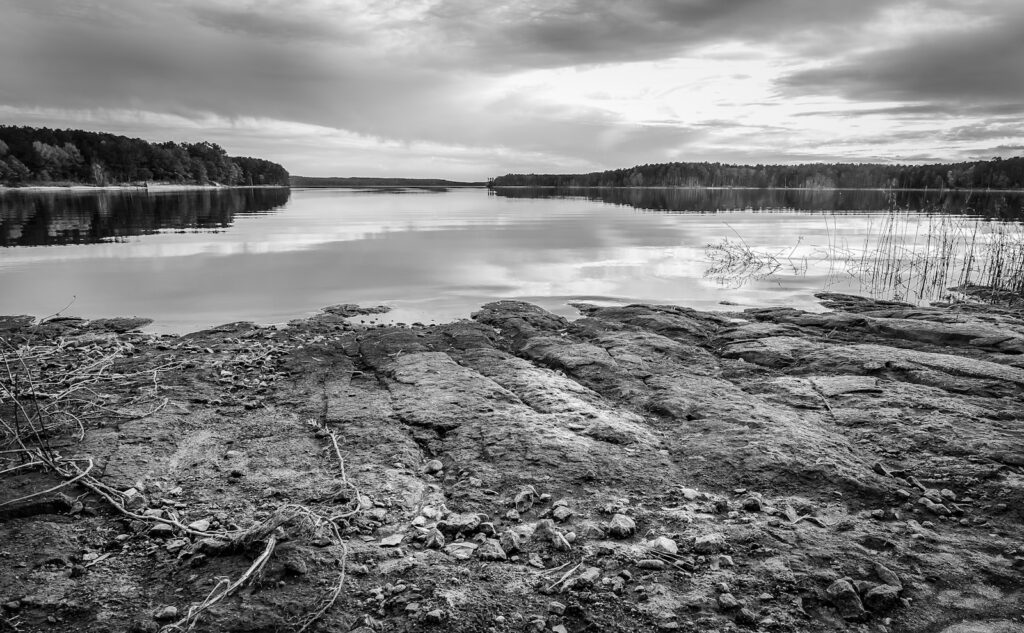
Lake Jackson (Florida) — Located near Florida’s capital, Tallahassee, this lake has repeatedly drained entirely through underground sinkholes (notably the Porter Hole Sink and Lime Sink) during low groundwater periods, sometimes vanishing completely before refilling. According to the local newspaper, “Lake Jackson has drained down, or dried up, at least a dozen times since 1837.” It has a long history of sudden disappearances due to natural limestone geology.
Mountain Lake (Virginia) — Located in the southern Appalachians, this lake has dramatically shrunk and nearly disappeared multiple times since 2008 due to leaks in its rock bottom, exacerbated by droughts. While it has fluctuated for thousands of years, it is now often reduced to a small pond or mudflat. The lake gained fame as the filming location for “Dirty Dancing.”
Lake Cabeza de Vaca (New Mexico/Texas border region) — This prehistoric lake once served as the terminus of the Rio Grande before river capture by the Pecos River caused it to dry up permanently. It has been cited as an example of what might happen to the Great Salt Lake.
Lake Bonneville (Utah/Idaho/Nevada) — A massive prehistoric lake covering over 20,000 square miles—including much of present-day Utah—during the Ice Age, it largely disappeared due to natural climate warming and evaporation thousands of years ago, leaving behind the famous Bonneville Salt Flats, which are now used for high-speed car testing.
Lake Agassiz (Minnesota/North Dakota and southern Canada) — This enormous glacial lake from the Ice Age was larger than all the modern Great Lakes combined. It drained catastrophically and vanished as ice dams failed and the climate shifted. Its drainage had global impacts. According to the Conservation Corps, “Lake Agassiz’s draining had significant effects on Earth’s oceans, early human activity, and even the climate. Global sea levels rose an estimated 2.6-9.2 feet.”
More from ClimateCrisis 247
- Cities Where Americans Have the Highest Water Bills
- New Documents Add to Evidence in Climate Deception Case Against ExxonMobil
- The 10 Most Sustainable Countries In The World
- States Where Tax Payers Will Pay The Most for Rising Sea Levels