The Ways climate change makes American life harder
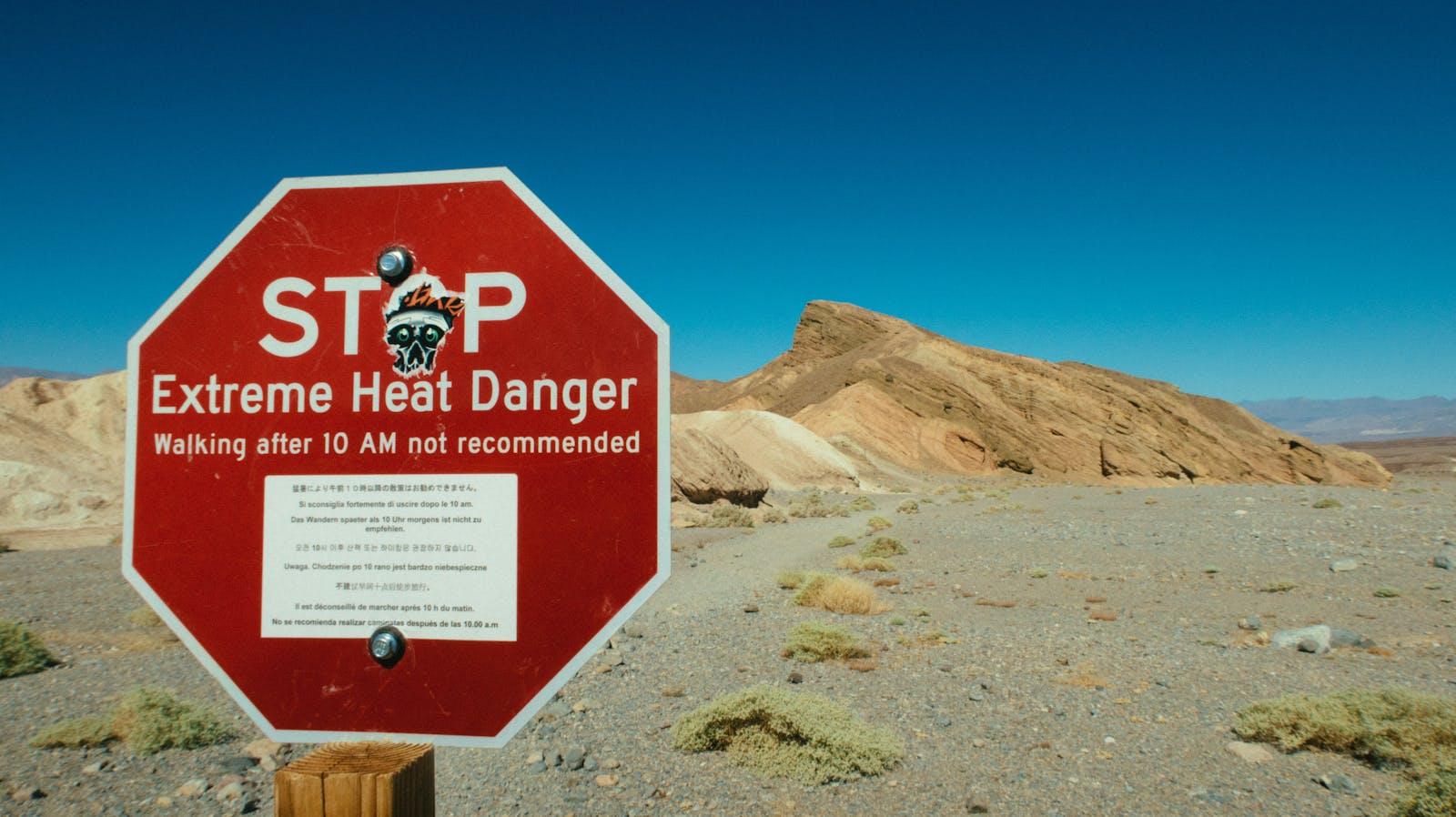
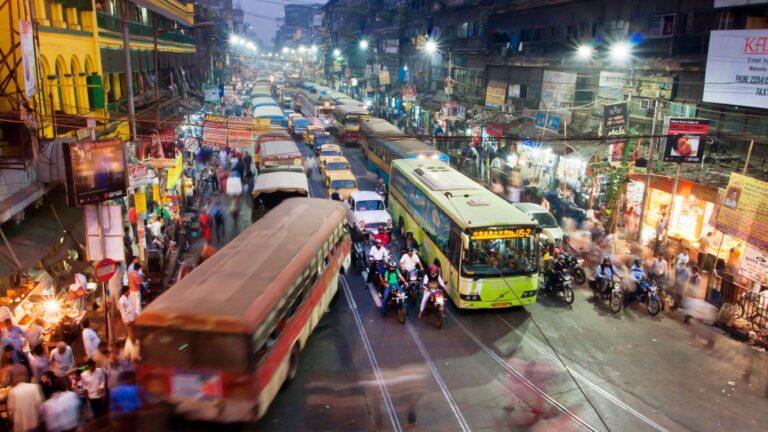
Climate change has had significant negative effects on populations around the world. Several cities have air quality more than ten times worse than what the WHO considers safe, most of them in India. According to the State of Global Air Study, air pollution kills over 8 million people each year. UNICEF estimates that 43,000 people in Somalia died in 2022 due to extreme drought, and more than 20 million people worldwide are displaced by climate-related events annually.
While climate problems are less severe in the US than in many other nations, Americans in some regions have suffered from extreme heat, drought, water shortages, and destructive storms. Even so, air quality across much of the country falls below WHO standards.
Some Americans have been forced to relocate permanently due to climate-driven disasters. The most prominent example is New Orleans, where at least one million people evacuated following Hurricane Katrina and many never returned. Beyond displacement, the financial costs of living in storm- and wildfire-prone areas are mounting. The UCLA School of Management estimates the total cost of the LA wildfires at $131 billion, largely in property damage, while home insurance rates in parts of Florida have risen by double digits over the past two years due to hurricane risk.
To assess how climate change is affecting American lives, we examined data from the U.S. Global Change Research Program (USGCRP), NOAA, NASA, the EPA, the Department of Energy, and numerous private research organizations and universities. While the most severe impacts tend to be concentrated in specific regions, broader trends are affecting the entire country. As Climate Central found, summers have been warming for decades: since 1970, temperatures have risen in 97% of the 242 U.S. cities analyzed.
The key climate change factors affecting Americans include:
1. Extreme Heat: The NRDC reports 65,000 emergency room visits annually due to heat-related illness. Its research found that nearly 210 million Americans — about two-thirds of the population — live in counties vulnerable to health threats from unusually high summer temperatures, which can cause heat exhaustion, heatstroke, and worsening cardiovascular and respiratory conditions. While southern states bear the greatest burden, major heat waves have also struck the northern part of the country.
2. Higher Food Prices: Climate Central has documented years of reduced crop yields in the US linked to climate factors, including short-term price spikes in coffee, cocoa, California vegetables, and Florida oranges following extreme heat, drought, and heavy rainfall. Hurricane Milton drove Florida’s 2024 fruit harvest to its lowest level since 1930, and a severe drought in Brazil has pushed up coffee prices for American consumers.
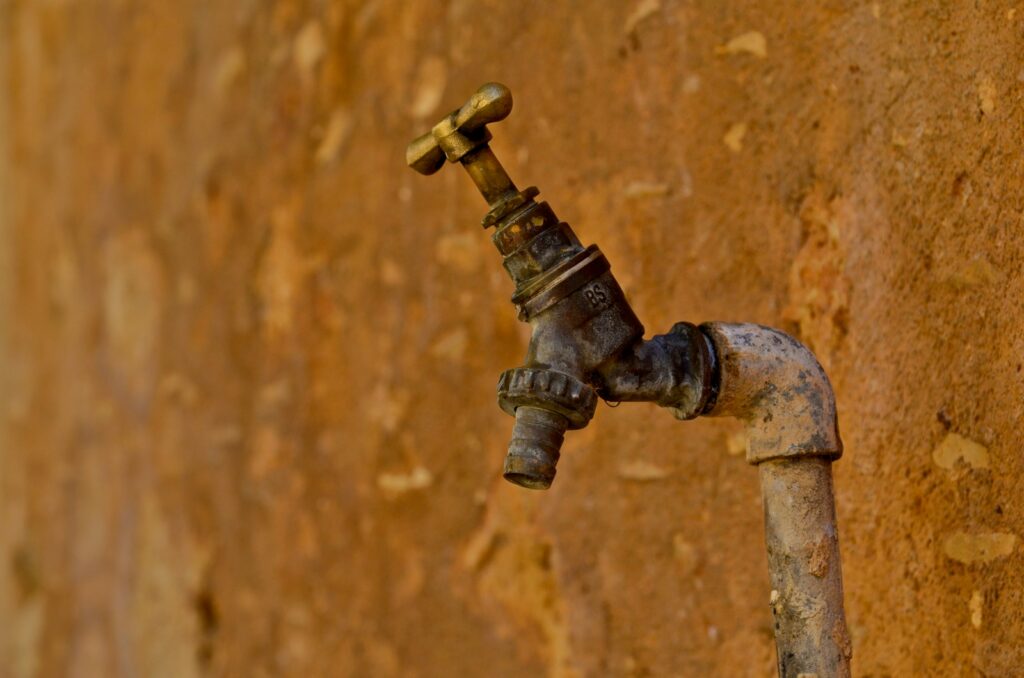
3. Water Shortages: A recent NEFF report, “The Increasing Demand and Decreasing Supply of Water,” notes that droughts and associated heat waves have caused approximately $328 billion in damages since 1980, while rising temperatures have increased irrigation demands and depleted groundwater in major aquifers. The situation is especially dire in the Southwest, where conditions have been described as a “1,200-year drought.” The Colorado River is at its lowest recorded level, and Lake Mead has recently hovered near historic lows. Severe droughts have also extended as far east as West Virginia, and the U.S. Drought Monitor currently shows extreme drought conditions in Florida.
4. Worsening Air Quality and Respiratory Problems: Despite not being known for high pollution levels, the American Lung Association’s 2025 State of the Air report found that 46% of Americans — 156.1 million people — live in areas with failing grades for ozone or particle pollution. California accounts for a disproportionate share of this, partly due to wildfires. Increasingly, however, the problem originates outside US borders: hundreds of Canadian wildfires have sent smoke drifting south, and during the 2023 Canadian wildfire season, emergency room visits for asthma across the US rose by nearly 20%, according to NPR.
5. Severe Storms, Floods, and Hurricanes: Warmer ocean temperatures in the South Atlantic and Caribbean have intensified hurricanes; PBS reported that warmer water strengthened every storm of the 2024 hurricane season. Storms are also intensifying more rapidly than before. Climate Central researchers warn that conditions favorable to severe thunderstorms could become 5–20% more frequent for every 1.8°F of additional warming.
6. Health Risks from Spreading Diseases: Warmer temperatures are expanding the range and prevalence of diseases, particularly those carried by insects and animals. The CDC has noted that longer summers, milder winters, and more extreme weather events are intensifying existing infectious diseases and enabling new ones to emerge. Lyme disease and West Nile virus have been especially problematic — conditions once concentrated in the world’s hottest regions are now a growing concern in the US, Canada, and even Scandinavian countries.
More from ClimateCrisis 247
- States Where Tax Payers Will Pay The Most for Rising Sea Levels
- The 10 Least Sustainable Countries In The World
- The Worst Back-to-Back Hurricanes in US History
- The Deadliest Hurricanes To Hit the US in the last half century