Cities Facing Record Hot Spring

For large swaths of the United States, harsh winter weather has been a hallmark of early 2026. From the Southeast to New England and the Upper Midwest, this winter season has brought frigid temperatures and historic snowfall. In many parts of the country, the start of the spring season will be a welcome change. But in major cities across the country, the progression of a decades-long shift in weather patterns suggests that spring temperatures may far exceed local, seasonal norms this year.
The most immediate and measurable impact of climate change has been the warming of Earth’s atmosphere. Across the United States, average seasonal temperatures have been steadily rising for decades, and the meteorological spring months – March, April, and May – are no exception. A recent study conducted by the non-profit research group Climate Central analyzed historic temperature data in 241 U.S. cities and locations. Of those places, 236 have measurably warmer spring seasons now than they did in 1970, by an average of 2.6°F.
In certain parts of the country, particularly in the South and the Southwest, average spring temperatures have climbed by 4°F or more in the last 55 years. This steady warming trend has resulted in multiple additional weeks of hotter-than-normal days now than were reported in the 1970s.
Using data from Climate Central, Climate Crisis 247 identified the cities where spring temperatures are climbing fastest. We ranked all 241 U.S. cities with available data on the change in average spring temperatures from 1970 to 2025. Only the 10 cities where spring temperatures have increased by more than 4.5°F appear on this list. Supplemental data on the change in the annual number of spring days with temperatures exceeding baseline norms is also from Climate Central. Baseline normal winter temperatures, or the average temperature in March, April, and May between 1991 and 2020, are from the National Oceanic and Atmospheric Administration. Population data are five-year estimates from the U.S. Census Bureau’s 2023 American Community Survey.
The 10 cities on this list, where average spring temperatures have climbed by as much as 6.4°F since 1970, are home to over 5.1 million Americans. Much of this warming is attributable to human-caused climate change, which shows few signs of slowing. Continued warming in the spring months will not only result in unseasonable heat, but also in increased wildfire risk and reduced snow-fed water supplies in many parts of the United States.
10. Erie, Pennsylvania
- Change in average spring temperature, 1970-2025: +4.6°F
- 30-year average spring temperature: 47.4°F (1991-2020)
- Change in annual number of spring days with temperatures above 30-year norm: 16 more days in 2025 than in 1970
- Local population: 94,156
9. Louisville, Kentucky
- Change in average spring temperature, 1970-2025: +4.6°F
- 30-year average spring temperature: 58.6°F (1991-2020)
- Change in annual number of spring days with temperatures above 30-year norm: 20 more days in 2025 than in 1970
- Local population: 627,210
8. Tampa, Florida
- Change in average spring temperature, 1970-2025: +4.6°F
- 30-year average spring temperature: 73.5°F (1991-2020)
- Change in annual number of spring days with temperatures above 30-year norm: 38 more days in 2025 than in 1970
- Local population: 393,389
7. Phoenix, Arizona
- Change in average spring temperature, 1970-2025: +5.3°F
- 30-year average spring temperature: 74.3°F (1991-2020)
- Change in annual number of spring days with temperatures above 30-year norm: 32 more days in 2025 than in 1970
- Local population: 1,624,832
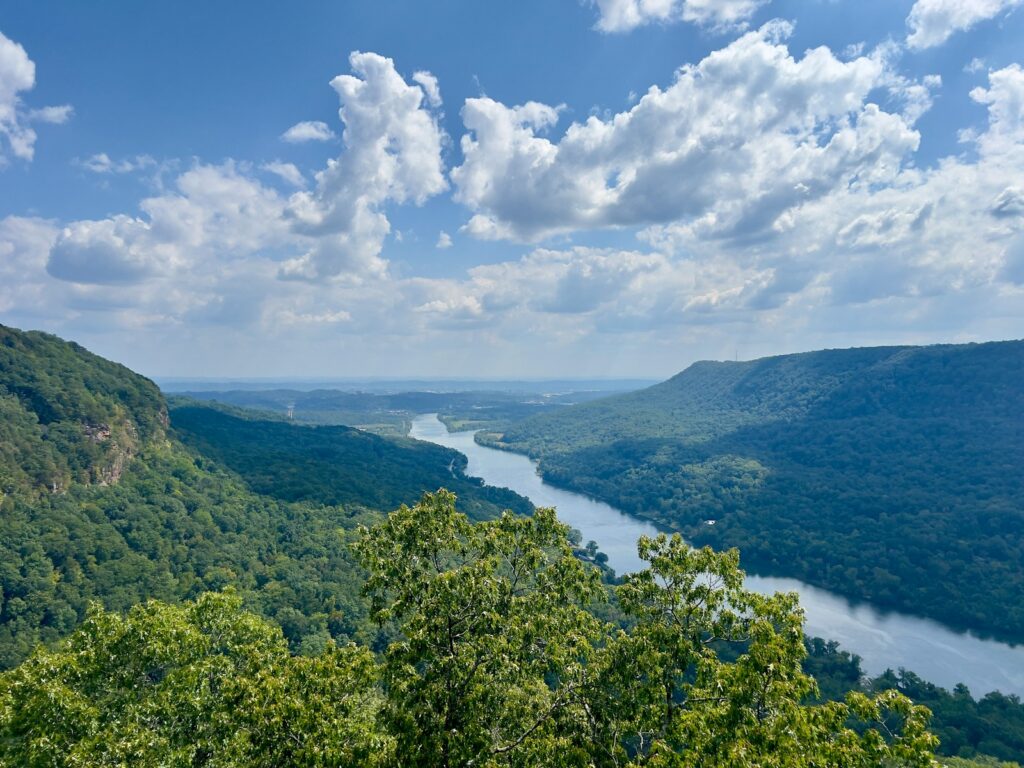
6. Chattanooga, Tennessee
- Change in average spring temperature, 1970-2025: +5.4°F
- 30-year average spring temperature: 62.1°F (1991-2020)
- Change in annual number of spring days with temperatures above 30-year norm: 28 more days in 2025 than in 1970
- Local population: 182,832
5. Albany, Georgia
- Change in average spring temperature, 1970-2025: +5.5°F
- 30-year average spring temperature: 67.5°F (1991-2020)
- Change in annual number of spring days with temperatures above 30-year norm: 34 more days in 2025 than in 1970
- Local population: 67,939
4. Tucson, Arizona
- Change in average spring temperature, 1970-2025: +5.8°F
- 30-year average spring temperature: 68.8°F (1991-2020)
- Change in annual number of spring days with temperatures above 30-year norm: 34 more days in 2025 than in 1970
- Local population: 543,348
3. Las Vegas, Nevada
- Change in average spring temperature, 1970-2025: +6.2°F
- 30-year average spring temperature: 67.9°F (1991-2020)
- Change in annual number of spring days with temperatures above 30-year norm: 30 more days in 2025 than in 1970
- Local population: 650,873
2. El Paso, Texas
- Change in average spring temperature, 1970-2025: +6.4°F
- 30-year average spring temperature: 67.6°F (1991-2020)
- Change in annual number of spring days with temperatures above 30-year norm: 39 more days in 2025 than in 1970
- Local population: 678,147
1. Reno, Nevada
- Change in average spring temperature, 1970-2025: +6.9°F
- 30-year average spring temperature: 53.5°F (1991-2020)
- Change in annual number of spring days with temperatures above 30-year norm: 37 more days in 2025 than in 1970
- Local population: 268,959
More from ClimateCrisis 247
- Sea Level Rise Will Cost These U.S. Cities Billions by 2040
- Water Bills Surged More Than Other Costs in US Homes Over 10 Years, a ‘Striking’ New Report Shows
- The World’s Oceans Have ‘Dead Zones’ Now; these are the Largest
- These are the 10 Largest Wildfires in 2026 So far