Countries With The Dirtiest Cars
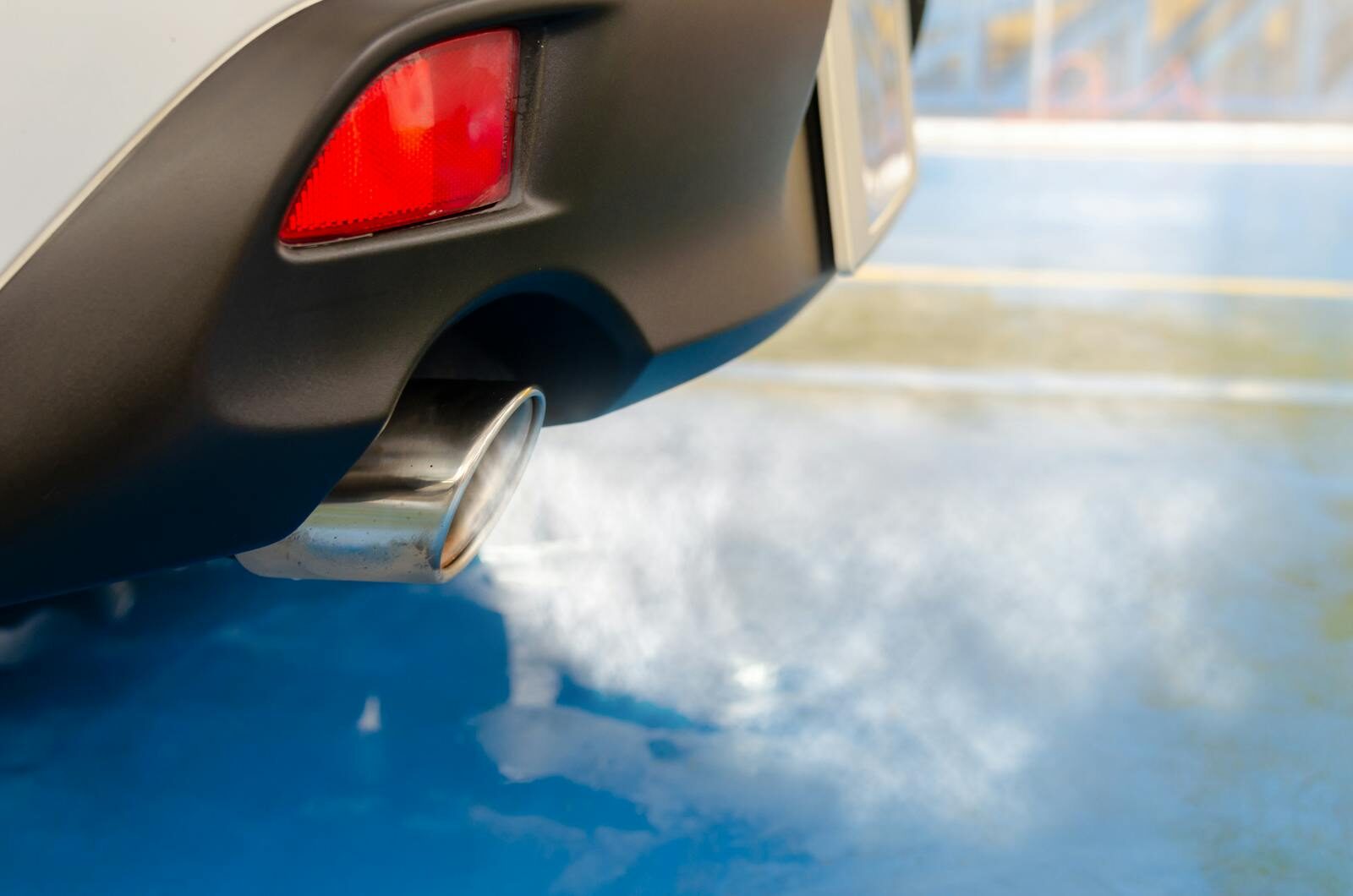
The U.S. began reducing car emissions in the early 1970s. In 1970, Congress passed the Clean Air Act and created the U.S. Environmental Protection Agency. The EPA then issued rules limiting the amount of lead permitted in gasoline. The automobile industry responded by developing catalytic converters, which transform CO, NOx, and hydrocarbon emissions into water, carbon dioxide, and nitrogen gas. By 1975, leaded gasoline had been phased out entirely.
The standards of the 1970s were a step forward, but only a modest one. The EPA reports that transportation accounted for 28% of greenhouse gas emissions in 2022 — more than any other sector. Electricity generation ranked second at 25%.
The primary measure of car pollution is road transport CO₂ emissions, expressed in millions of metric tons. This is also the most widely accepted metric among experts. Generally speaking, the larger and heavier the vehicle, the higher its emissions.
Emissions measurements are especially useful for assessing the engine efficiency of “light-duty” vehicles — a category that includes cars, SUVs, crossovers, and pickup trucks. Consumer Affairs put the number of these vehicles on U.S. roads at just over 121 million in 2024, up from 111 million in 2020, though that earlier figure may have been depressed by the COVID-19 pandemic. According to the 2021 U.S. Census Bureau, 91.7% of U.S. households owned at least one vehicle, and more than 21% owned three or more.
Measured by vehicles per thousand people, the U.S. ranks first among developed nations at 779. Other high-ranking countries include Italy (701), Canada (677), and Japan (670). A key reason for the U.S.’s high rate of ownership is its limited public transportation infrastructure. As the Institute for Transportation & Development Policy explains in The High Cost of Transportation in the United States, the lack of public transit is a foundational reason why Americans continue spending money on private vehicles, and that the way urban space and land use are designed in the U.S. is a major contributor to high transportation costs.
This reliance on private vehicles carries significant public health consequences. The EPA has noted that motor vehicle emissions contribute to ambient levels of air toxics known or suspected to be human or animal carcinogens, and that exposure can also cause noncancerous health effects, including neurological, cardiovascular, respiratory, reproductive, and immune system damage. There is, however, some good news. A paper from the Harvard T.H. Chan School of Public Health, titled Decreased Vehicle Emissions Linked with Significant Drop in Deaths Attributable to Air Pollution, found that declining vehicle emissions since 2008 have reduced by thousands the number of deaths attributable to air pollution, yielding billions of dollars in societal benefits.
One reason the U.S. leads the world in light-vehicle CO₂ emissions is that most of these vehicles are anything but light. Americans have shifted away from small passenger cars toward SUVs and pickup trucks, which tend to consume significantly more fuel. According to Car and Driver’s “25 Best Selling Vehicles of 2025“, four of the top five sellers were either full-sized pickups or crossovers. (The Tesla Model Y came in at No. 7.)

Top 10 Countries by Road Transport CO₂ Emissions
2023 Transportation Sector Emissions (millions of metric tons of CO₂)
- United States — 1,710.6 Mt — By far the largest, driven by a massive fleet of SUVs and pickups, high vehicle miles traveled, and lower average fuel efficiency.
- China — 1,077.8 Mt — Rapid growth in vehicle ownership, particularly SUVs; EV adoption is beginning to offset some emissions.
- India — 339.8 Mt — Rising car ownership, with many vehicles powered by older, less efficient engines.
- Russia — 261.6 Mt
- Brazil — 216.8 Mt
- Japan — 179.6 Mt
- Canada — 166.4 Mt
- Indonesia — 149.5 Mt
- Saudi Arabia — 145.5 Mt
- Germany — 139.7 Mt
More from ClimateCrisis 247
- Cities Where Americans Have the Highest Water Bills
- New Documents Add to Evidence in Climate Deception Case Against ExxonMobil
- The 10 Most Sustainable Countries In The World
- States Where Tax Payers Will Pay The Most for Rising Sea Levels