The 5 Dirtiest Lakes In America
Overall, river and lake pollution levels in the US have improved, largely due to the Clean Water Act of 1972. The Act gave the EPA broad powers to set wastewater regulations by industry, establish rules governing the discharge of pollutants from point sources into navigable waters, and fund the construction of sewage treatment plants.
The legislation has evolved over time to expand its reach. Title I of the Great Lakes Critical Programs Act of 1990, for example, implemented portions of the Great Lakes Water Quality Agreement of 1978, a treaty signed by the US and Canada in which both nations committed to reducing certain toxic pollutants in the Great Lakes. This was especially significant because the Great Lakes are the largest surface freshwater system in the world, containing roughly 20% of the planet’s fresh water — a resource that had been subjected to decades of industrial dumping. One of the most notorious examples of this damage was the Cuyahoga River Fire. The river, which flows into Lake Erie, was so severely polluted by industrial waste that an oil slick on its surface caught fire on a Sunday morning in June 1969 near the Republic Steel mill, causing approximately $100,000 in damage to two railroad bridges. It is likely no coincidence that the Clean Water Act was passed just three years later.
While the problem of dirty lakes has diminished, serious pollution persists. Lake Erie, relatively clean for decades, has recently been overtaken by a massive algae bloom stretching from the western end of the lake — south of Detroit — all the way east toward Cleveland. According to the National Centers for Coastal Ocean Science, NOAA forecasts seasonal blooms of cyanobacteria (blue-green algae) in Lake Erie, typically from July through October, when warmer water creates favorable conditions. The intensity of these harmful algal blooms has increased significantly over the past decade, driven primarily by fertilizer runoff from agricultural areas east of the lake.
The primary source for America’s dirtiest lakes is an annual list compiled by Lake.com. The most recent edition, the “America’s Cleanest and Dirtiest Lakes: 2025 Report on Lake Pollution and Water Quality,” draws on chemical data from the National Water Quality Monitoring Council for 100 of America’s largest lakes, sampled from January 1, 2020, through July 15, 2025.
Lakes are ranked on eight measures: dissolved oxygen, ammonia, lead, phosphorus, sulfates, total dissolved solids (TDS), turbidity (measured in NTU), and pH deviation. Higher combined pollution scores indicate dirtier conditions by the study’s definition.
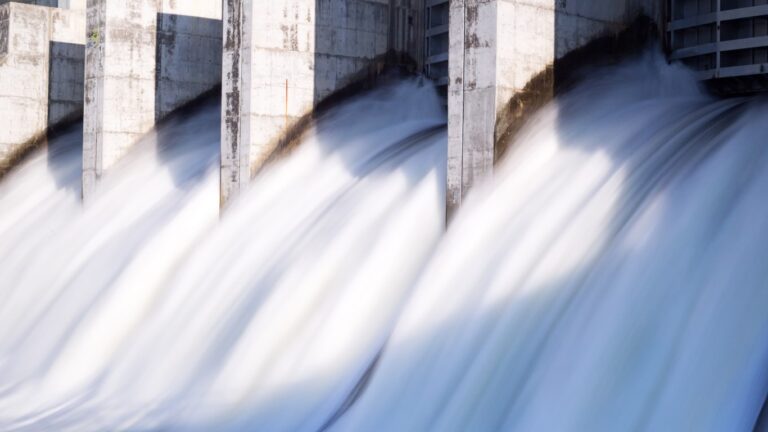
Whether the most polluted lakes can be restored is uncertain. Lake Okeechobee, ranked the most polluted lake in America, presents a particularly troubling case: its contaminated water is actively spreading beyond the lake itself, causing severe environmental damage in surrounding areas. According to the Everglades Foundation, communities on both Florida coasts have been bracing for impact as billions of gallons of water are discharged from the lake by the US Army Corps of Engineers. Recently, 46 billion gallons were released through the Saint Lucie River, and another 118 billion gallons into the Caloosahatchee River — effectively dispersing the lake’s pollution across a much wider area.
Climate Crisis247 looked at several sources of research beyond Lake.com. We considered information from the Wired2Fish, World Atlas, WPBF, and the 2025 Water Management Plan.
Lakes are ranked 1 to 10, with 1 being the most polluted.
1. Lake Okeechobee, Florida – Pollution Score: 10/10 (Dirtiest)
Nearly a century of agricultural runoff, fertilizers, and sewage have introduced excess nutrients — especially phosphorus — into the lake, fueling massive algal blooms. These blooms produce toxins that can cause skin rashes and respiratory issues. The lake’s naturally shallow depth compounds the problem.
2. American Falls Reservoir, Idaho – Pollution Score: 7/10
The primary issue is agricultural runoff and irrigation practices. Low water levels concentrate pollutants, while rising temperatures reduce oxygen levels, further degrading water quality.
3. Lake Texoma (Texas/Oklahoma border) – Pollution Score: 7.2/10
Agricultural and urban runoff, combined with heavy boat traffic, introduce excess nutrients and suspended solids into the lake.
4. Eufaula Lake, Oklahoma – Pollution Score: 6.9/10
Pollution is driven largely by agricultural runoff, which promotes algal growth and oxygen depletion.
5. Utah Lake, Utah – Pollution Score: 6.4/10
The lake is naturally shallow and sits atop phosphorus-rich geologic sediments. High levels of total dissolved solids and sulfates contribute to odor and salinity problems, while invasive species — particularly carp — stir up sediments and further reduce water clarity.
Finally, an additional challenge looms on the regulatory front. The EPA’s budget has been cut under the Trump administration and faces further reductions. According to Inside Climate News, the administration’s most recent budget request continues its pattern of defunding climate, environmental protection, and renewable energy programs, with significant cuts proposed for the EPA, NOAA, and FEMA.
More from ClimateCrisis 247
- 18 Largest Environmental Disasters at National parks
- 8 California Cities That Will Lose the most land to rising seas by 2050
- The Countries With The Least Air Conditioning
- These East Coast Cities Will Lose the Most Land to Rising Seas by 2050