Countries Leading the World in Nuclear Energy
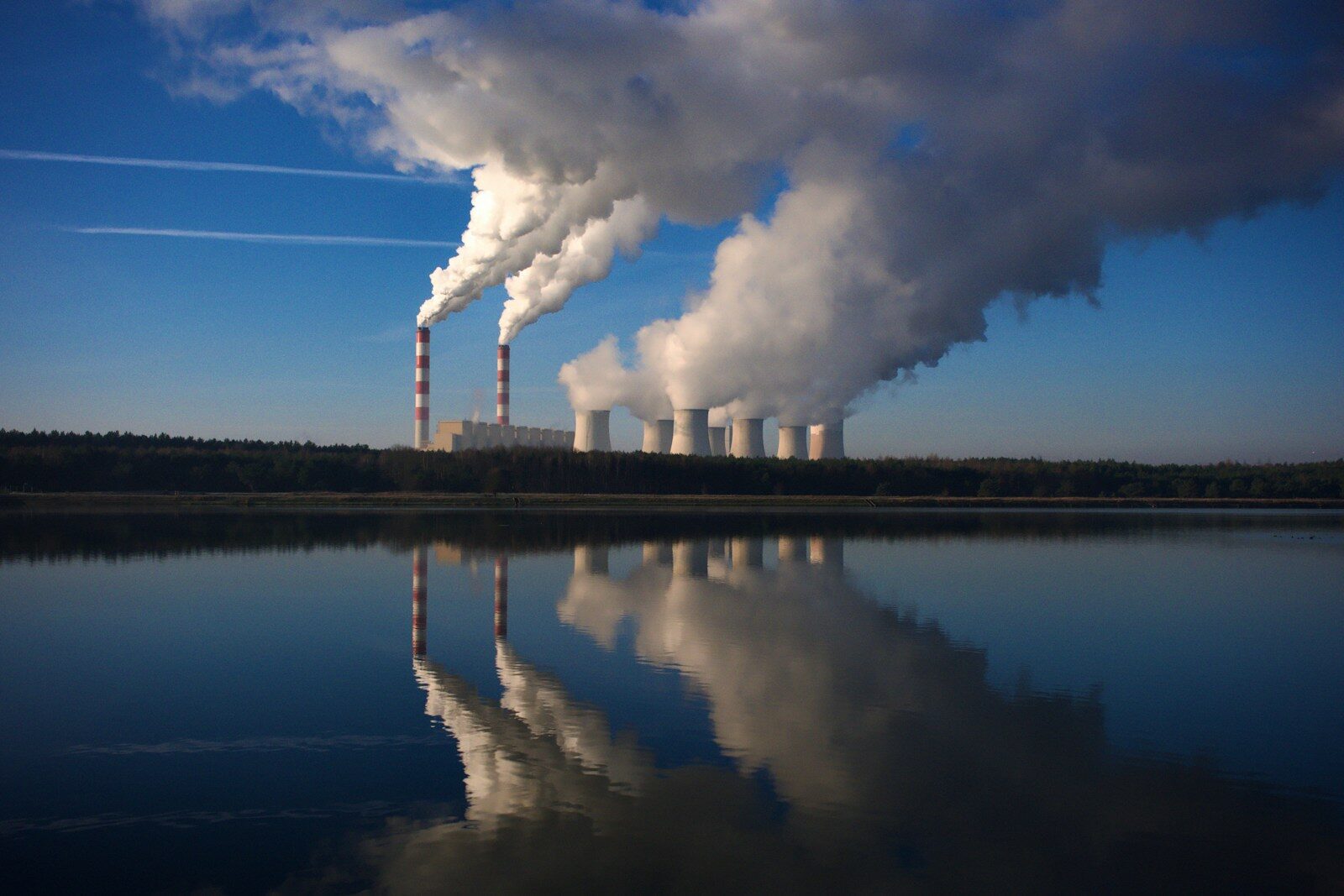
Harnessing the power of nuclear energy has been among the most impactful developments of the last 100 years. While initial scientific inquiry into nuclear power focused on military applications, after the Second World War, the scope of nuclear research expanded and quickly began to encompass electricity generation. By the mid-1950s, the first commercial nuclear power plant came online in Shippingsport, Pennsylvania.
As a source of electricity, nuclear power offers a wide range of advantages over the alternatives. Unlike coal or natural gas-fired plants, nuclear power provides emissions-free energy – and unlike other clean energy sources, nuclear plants are designed to operate around the clock in virtually all weather conditions. There are also risks associated with nuclear energy, however.
In addition to high up-front costs, nuclear power plants create radioactive waste that can be harmful to humans for thousands of years. And while nuclear facilities are highly regulated, human error and unanticipated circumstances can lead to catastrophes, like the 2011 meltdown at the Fukushima Power Plant in Japan.
With electricity demand projected to surge in the coming years in the United States, nuclear power is often cited as a potential solution to America’s looming energy crunch – even though concern over the potential hazards nuclear power plants present has led to limited investment in recent decades. According to the U.S. Energy Information Administration, nuclear power plants accounted for about 17.8% of domestic electricity production in 2024, down from a peak of nearly 21% in 2001. In many other countries around the world, meanwhile, a third or more of all electricity is generated by nuclear reactors.
Using data from the EIA, Climate Crisis 247 identified the countries that are leading the world in nuclear energy production. We ranked all countries with available data on the share of total electricity production derived from nuclear power plants in 2024. All supplemental data is also from the EIA. Calculations on the number of homes that could be powered by nuclear energy were made using the average American household’s electricity use, as reported by the EIA.
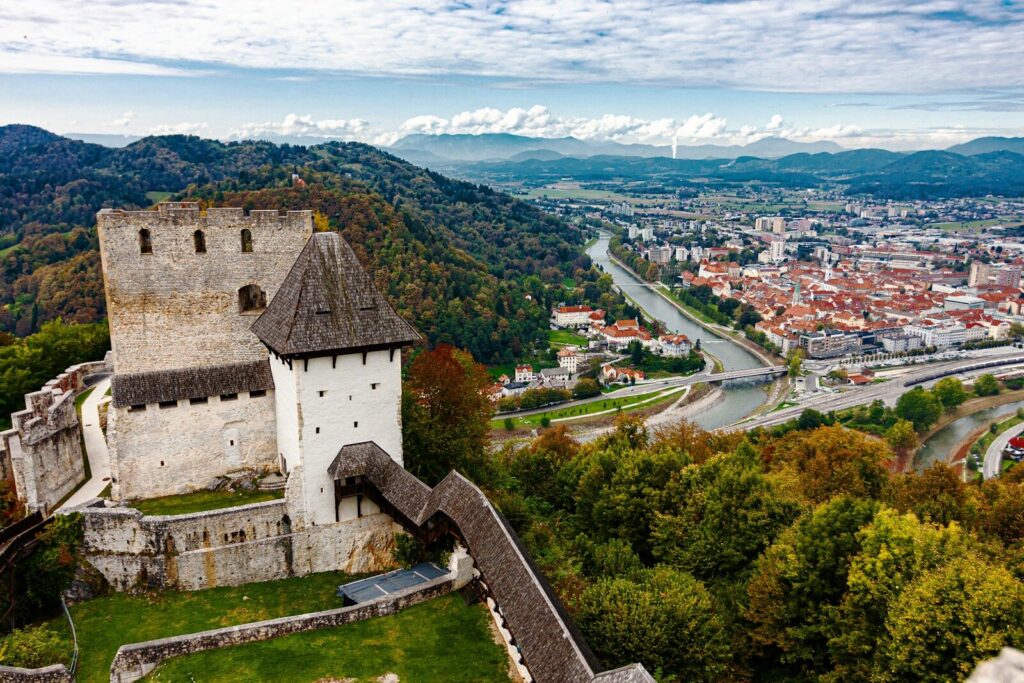
10. Slovenia
- Share of electricity generated by nuclear plants, 2024: 33.1%
- Total electricity generated by nuclear plants. 2024: 5.6 billion kilowatt hours (enough to power approx. 924,959 average American homes)
- First year of nuclear energy production with available data: 1992
- Electricity produced in nuclear power plants in 1992: 3.8 billion kilowatt hours (32.6% of domestic electricity production)
9. Belarus
- Share of electricity generated by nuclear plants, 2024: 34.2%
- Total electricity generated by nuclear plants. 2024: 15.7 billion kilowatt hours (enough to power approx. 10,506 average American homes)
- First year of nuclear energy production with available data: 2020
- Electricity produced in nuclear power plants in 2020: 338.0 million kilowatt hours (0.9% of domestic electricity production)
8. Finland
- Share of electricity generated by nuclear plants, 2024: 39.3%
- Total electricity generated by nuclear plants. 2024: 31.1 billion kilowatt hours (enough to power approx. 1,750 average American homes)
- First year of nuclear energy production with available data: 1980
- Electricity produced in nuclear power plants in 1980: 6.6 billion kilowatt hours (17.1% of domestic electricity production)
7. Czechia
- Share of electricity generated by nuclear plants, 2024: 40.3%
- Total electricity generated by nuclear plants. 2024: 29.7 billion kilowatt hours (enough to power approx. 1,493,859 average American homes)
- First year of nuclear energy production with available data: 1993
- Electricity produced in nuclear power plants in 1993: 12.0 billion kilowatt hours (21.6% of domestic electricity production)
6. Bulgaria
- Share of electricity generated by nuclear plants, 2024: 40.8%
- Total electricity generated by nuclear plants. 2024: 15.8 billion kilowatt hours (enough to power approx. 17,786,362 average American homes)
- First year of nuclear energy production with available data: 1980
- Electricity produced in nuclear power plants in 1980: 5.8 billion kilowatt hours (17.7% of domestic electricity production)
5. Hungary
- Share of electricity generated by nuclear plants, 2024: 41.0%
- Total electricity generated by nuclear plants. 2024: 15.2 billion kilowatt hours (enough to power approx. 8,662,660 average American homes)
- First year of nuclear energy production with available data: 1982
- Electricity produced in nuclear power plants in 1982: 5.5 million kilowatt hours (0.02% of domestic electricity production)
4. Belgium
- Share of electricity generated by nuclear plants, 2024: 41.1%
- Total electricity generated by nuclear plants. 2024: 29.7 billion kilowatt hours (enough to power approx. 887 average American homes)
- First year of nuclear energy production with available data: 1980
- Electricity produced in nuclear power plants in 1980: 11.9 billion kilowatt hours (23.5% of domestic electricity production)
3. Ukraine
- Share of electricity generated by nuclear plants, 2024: 53.6%
- Total electricity generated by nuclear plants. 2024: 52.0 billion kilowatt hours (enough to power approx. 6,002 average American homes)
- First year of nuclear energy production with available data: 1992
- Electricity produced in nuclear power plants in 1992: 70.1 billion kilowatt hours (29.4% of domestic electricity production)
2. Slovakia
- Share of electricity generated by nuclear plants, 2024: 64.4%
- Total electricity generated by nuclear plants. 2024: 18.4 billion kilowatt hours (enough to power approx. 19,879 average American homes)
- First year of nuclear energy production with available data: 1993
- Electricity produced in nuclear power plants in 1993: 11.6 billion kilowatt hours (50.7% of domestic electricity production)
1. France
- Share of electricity generated by nuclear plants, 2024: 67.3%
- Total electricity generated by nuclear plants. 2024: 361.7 billion kilowatt hours (enough to power approx. 33,518,673 average American homes)
- First year of nuclear energy production with available data: 1980
- Electricity produced in nuclear power plants in 1980: 63.4 billion kilowatt hours (25.3% of domestic electricity production)
Sponsor
Find a Vetted Financial Advisor
- Finding a fiduciary financial advisor doesn't have to be hard. SmartAsset's free tool matches you with up to 3 financial advisors that serve your area in 5 minutes.
- Each advisor has been vetted by SmartAsset and is held to a fiduciary standard to act in your best interests. Get on the path toward achieving your financial goals!
More from ClimateCrisis 247
- the states with the best EV infrastructure
- Will This Be The Most Destructive Wildfire Season In US History?
- Climate Change Fuels More Intense Rainfall in These 10 US Cities
- The Cities Expected To See Multiple 100°F Days This Week