10 Nations That Are Global Leaders in Clean Energy
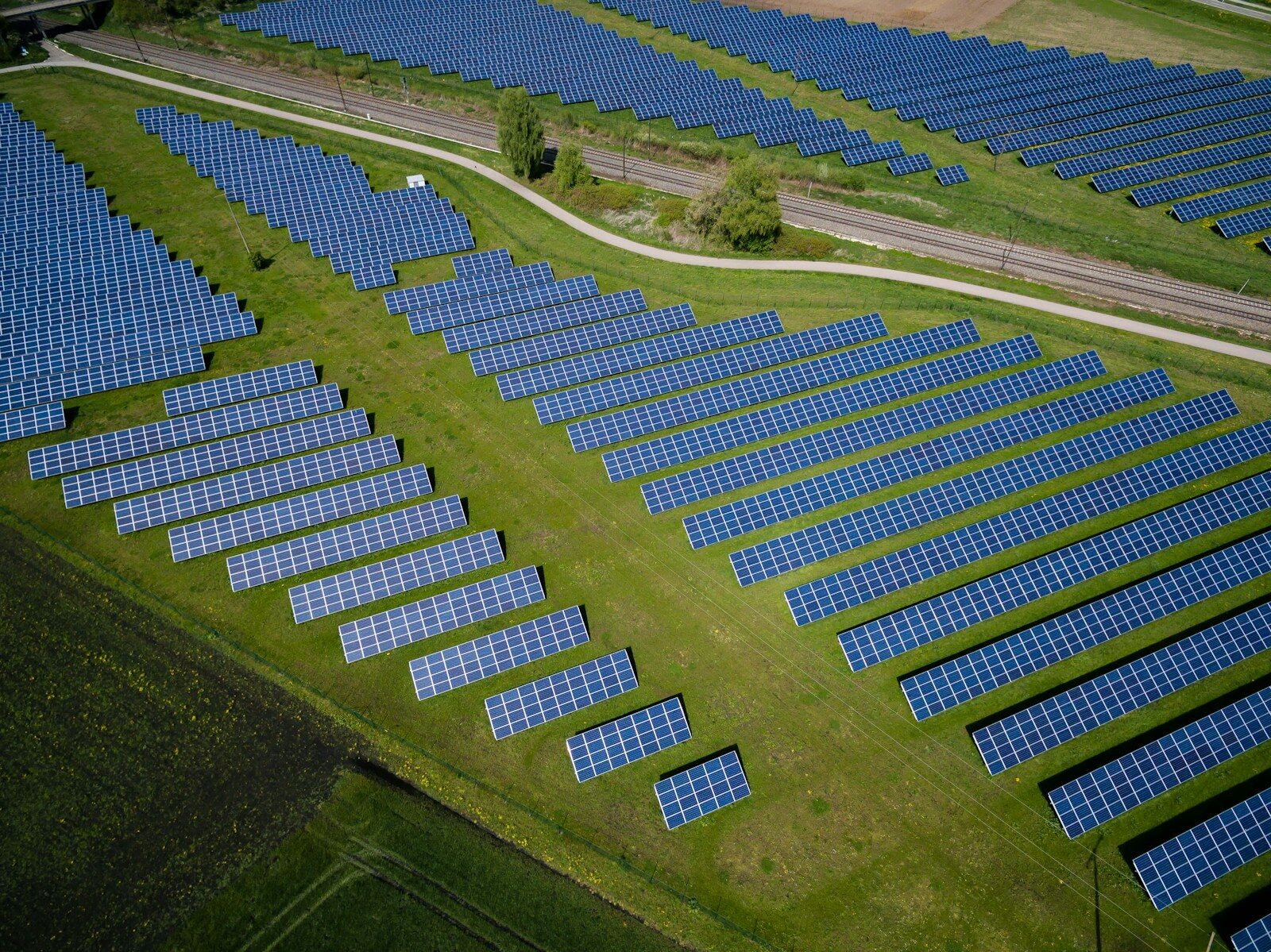
Climate change is a global problem that requires international cooperation to address. To this end, countries from around the world have met for the annual United Nations Framework Convention on Climate Change for more than three decades. Within the scientific community, there is broad consensus that combating climate change will require widespread emissions reduction – primarily through a transition away from fossil fuels and broader adoption of clean energy sources, such as wind, solar, and nuclear.
The first major treaty to come out of UNFCCC was the Kyoto Protocol of 1997, which established legally-binding emissions reductions targets for industrialized nations. Despite the terms of agreement, progress has been inconsistent. In 1997, clean energy sources accounted for approximately 17% of global electricity production. By the early 2010s, only about 13% of electricity came from clean sources.
Encouragingly, reliance on emissions-free electricity has steadily increased in the years since. Over the last decade, clean source electricity rose globally from 14.7% of production to nearly 24%. In the United States, clean electricity accounts for a similar share of the power grid as the global average – but in other parts of the world, there are countries where well over half of all electricity is generated through emissions-free sources.
Using data from the Energy Information Administration, Climate Crisis 247 identified the global leaders in clean energy. We ranked all countries with available data on the share of total electricity production in 2024 derived from emissions-free sources. For the purposes of this story, all electricity generated through wind, solar, nuclear, tide, waves, and fuel cells is considered emissions free. All supplemental data is also from the EIA. Calculations on the number of homes that could be powered by clean energy were made using the average American household’s electricity use, as reported by the EIA.
10. Ukraine
- Share of electricity generated through clean sources, 2024: 58.4%
- Total electricity generated by clean sources, 2024: 56.6 billion kilowatt hours (enough to power approx. 5,243,994 average American homes)
- Largest source of clean electricity, 2024: Nuclear; 52.0 billion kilowatt hours (53.6% of domestic electricity production)
- First year of clean energy production with available data: 1992
- Electricity produced clean sources in 1992: 70.1 billion kilowatt hours (29.4% of domestic electricity production)
9. Bulgaria
- Share of electricity generated through clean sources, 2024: 58.4%
- Total electricity generated by clean sources, 2024: 22.6 billion kilowatt hours (enough to power approx. 2,092,056 average American homes)
- Largest source of clean electricity, 2024: Nuclear; 15.8 billion kilowatt hours (40.8% of domestic electricity production)
- First year of clean energy production with available data: 1980
- Electricity produced clean sources in 1980: 5.8 billion kilowatt hours (17.7% of domestic electricity production)
8. Finland
- Share of electricity generated through clean sources, 2024: 65.9%
- Total electricity generated by clean sources, 2024: 52.3 billion kilowatt hours (enough to power approx. 4,843,395 average American homes)
- Largest source of clean electricity, 2024: Nuclear; 31.1 billion kilowatt hours (39.3% of domestic electricity production)
- First year of clean energy production with available data: 1980
- Electricity produced clean sources in 1980: 6.6 billion kilowatt hours (17.1% of domestic electricity production)
7. Slovakia
- Share of electricity generated through clean sources, 2024: 66.8%
- Total electricity generated by clean sources, 2024: 19.1 billion kilowatt hours (enough to power approx. 1,768,288 average American homes)
- Largest source of clean electricity, 2024: Nuclear; 18.4 billion kilowatt hours (64.4% of domestic electricity production)
- First year of clean energy production with available data: 1993
- Electricity produced clean sources in 1993: 11.6 billion kilowatt hours (50.7% of domestic electricity production)
6. Hungary
- Share of electricity generated through clean sources, 2024: 68.2%
- Total electricity generated by clean sources, 2024: 25.2 billion kilowatt hours (enough to power approx. 2,336,241 average American homes)
- Largest source of clean electricity, 2024: Nuclear; 15.2 billion kilowatt hours (41.0% of domestic electricity production)
- First year of clean energy production with available data: 1982
- Electricity produced clean sources in 1982: 5.0 million kilowatt hours (0.02% of domestic electricity production)
5. Denmark
- Share of electricity generated through clean sources, 2024: 70.8%
- Total electricity generated by clean sources, 2024: 24.4 billion kilowatt hours (enough to power approx. 2,265,696 average American homes)
- Largest source of clean electricity, 2024: Wind; 20.6 billion kilowatt hours (59.5% of domestic electricity production)
- First year of clean energy production with available data: 1980
- Electricity produced clean sources in 1980: 11.0 million kilowatt hours (0.04% of domestic electricity production)
4. Lithuania
- Share of electricity generated through clean sources, 2024: 71.8%
- Total electricity generated by clean sources, 2024: 4.1 billion kilowatt hours (enough to power approx. 383,375 average American homes)
- Largest source of clean electricity, 2024: Wind; 3.3 billion kilowatt hours (57.8% of domestic electricity production)
- First year of clean energy production with available data: 1992
- Electricity produced clean sources in 1992: 13.9 billion kilowatt hours (78.6% of domestic electricity production)
3. Belgium
- Share of electricity generated through clean sources, 2024: 72.2%
- Total electricity generated by clean sources, 2024: 52.2 billion kilowatt hours (enough to power approx. 4,839,690 average American homes)
- Largest source of clean electricity, 2024: Nuclear; 29.7 billion kilowatt hours (41.1% of domestic electricity production)
- First year of clean energy production with available data: 1980
- Electricity produced clean sources in 1980: 11.9 billion kilowatt hours (23.5% of domestic electricity production)
2. France
- Share of electricity generated through clean sources, 2024: 80.4%
- Total electricity generated by clean sources, 2024: 431.8 billion kilowatt hours (enough to power approx. 40,018,945 average American homes)
- Largest source of clean electricity, 2024: Nuclear; 361.7 billion kilowatt hours (67.3% of domestic electricity production)
- First year of clean energy production with available data: 1980
- Electricity produced clean sources in 1980: 63.9 billion kilowatt hours (25.5% of domestic electricity production)
1. Luxembourg
- Share of electricity generated through clean sources, 2024: 89.1%
- Total electricity generated by clean sources, 2024: 912.3 million kilowatt hours (enough to power approx. 84,545 average American homes)
- Largest source of clean electricity, 2024: Solar, tide, wave, fuel cell; 482.0 million kilowatt hours (47.1% of domestic electricity production)
- First year of clean energy production with available data: 1997
- Electricity produced clean sources in 1997: 3.0 million kilowatt hours (4.7% of domestic electricity production)
More from ClimateCrisis 247
- America’s largest Data Center Uses More Electricity Than Houston
- Most ER Visits Due To Heat Related Illness in the US From 2018 to 2025
- The Four Worst Droughts In US History
- These Are The Places Where People Are Trapped By Climate Change