America’s Worst Used EVs
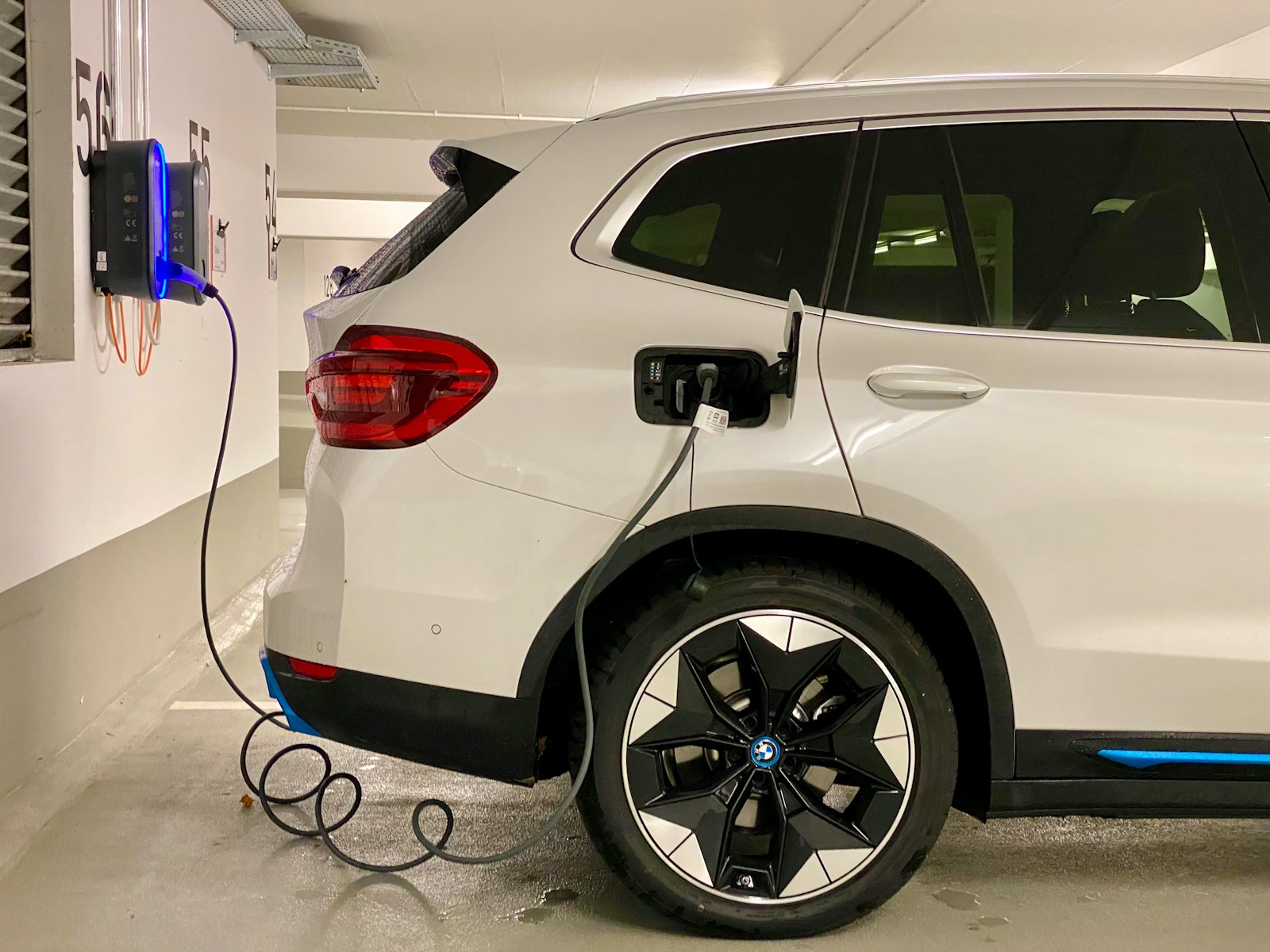
iSeeCars is among the top data companies tracking car prices, brand sales, and annual vehicle price trends. Recently, they released a study titled “The Loss of the EV Credit Has Forced a Price Drop for Nearly All Electric Vehicles – Except Teslas.” Their definition of “used cars” encompassed vehicles between one and five years old, with a total sample size of 1.7 million vehicles.
The study compared data from two points in time: September 2025 and January 2026. Because the $7,500 federal EV tax credit expired on September 30, 2025, experts anticipated a drop in sales — and the forecasts proved accurate. Cox Automotive reports that with government-backed incentives revoked at the start of October, total EV sales in Q4 plunged to 234,000 units, down 46% compared to Q3 and 36% lower year over year.
The U.S. is not the only country where incentives have played a role in driving EV adoption. The World Resources Institute examined Scandinavian nations and China, where robust EV financial incentives have been in place for years, and found that strong government policy and financial support paved the way for a dynamic EV industry and helped bring costs down.
Prices reflected the post-incentive landscape as well. The iSeeCars research showed that across all used EVs, average prices fell 3.6% to $23,739. For comparison, used internal combustion engine vehicles dropped a more modest 2.0%, to $31,249.
Of the 11 EVs iSeeCars examined, four saw price increases between the two periods. The Porsche Taycan posted a gain of 4.1%, bringing its average price to $77,552 — though this is hardly indicative of a broader industry trend, given that only 4,142 units were sold in the U.S. last year. The remaining three price increases all belonged to Tesla models.
All three Tesla models posted price gains — a remarkable finding given that Tesla’s new car sales in the U.S. declined last year. The high-end Model X crossover rose 10.3% to $57,303, still well below the new model’s price, which can reach $99,990.
iSeeCars Executive Analyst Karl Brauer commented: “When looking at new and used EV price shifts, it seems clear that manufacturers and dealers are trying to offset the loss of EV credits with lower prices on mainstream models. But Tesla pricing has proven resilient, rising while nearly every other electric vehicle price has fallen since the credits went away.”
The EVs with the largest price drops tended to be lower-priced models to begin with. The Nissan LEAF, the lowest-priced EV in the U.S. according to Motor Trend, carries a base price of $31,485 new. Its used price fell 4.6% to $15,606 — roughly half the cost of a new one.
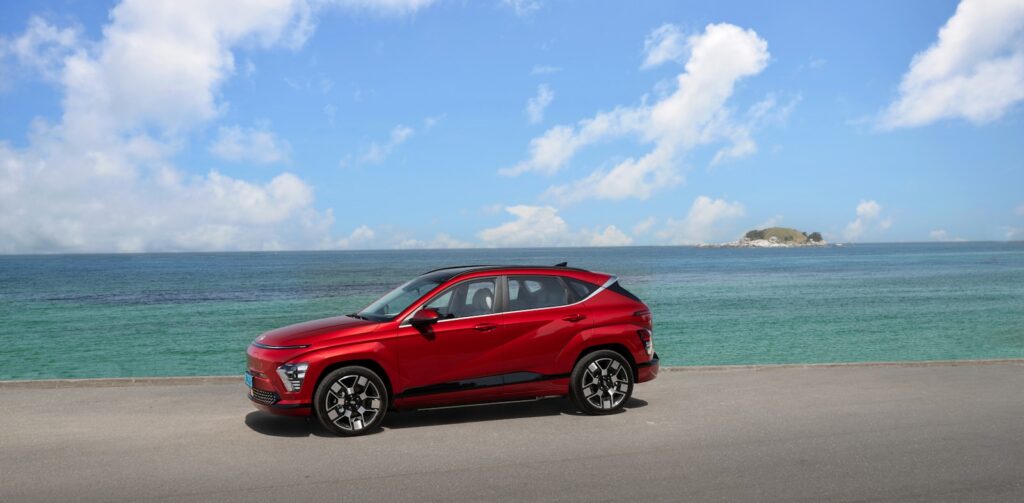
The Hyundai Kona Electric, the South Korean automaker’s small EV SUV, is similarly affordable, with an MSRP of around $32,000. Car and Driver praised it for its “excellent value among EVs, large cargo capacity, [and] comfortable ride quality.”
One of the more notable entries on the list is the Ford Mustang Mach-E. It represents one of the more prominent stumbles in the EV space — contributing to Ford’s staggering $19.5 billion write-off on its EV business last year. Ford’s attempt to attach its iconic sports car nameplate to an EV crossover failed to resonate with consumers.
| Model | Avg. Price Sept. 2025 | Avg. Price Jan. 2026 | % Change |
|---|---|---|---|
| Hyundai Kona Electric | $21,020 | $19,678 | -6.4% |
| Volkswagen ID.4 | $23,307 | $21,860 | -6.2% |
| Kia Niro EV | $21,128 | $20,024 | -5.2% |
| Ford Mustang Mach-E | $30,575 | $29,014 | -5.1% |
| Nissan LEAF | $16,360 | $15,606 | -4.6% |
| Polestar 2 | $26,006 | $25,508 | -1.9% |
| Tesla Model Y | $29,603 | $29,989 | +1.3% |
| Tesla Model 3 | $25,061 | $25,701 | +2.6% |
| Porsche Taycan | $74,466 | $77,552 | +4.1% |
| Tesla Model S | $47,222 | $51,249 | +8.5% |
| Tesla Model X | $51,973 | $57,303 | +10.3% |
EV sales in the U.S. remain in early stages compared to many other nations, accounting for just 8% of new cars sold last year. Without the federal incentive, that share may actually decline in 2026.
Sponsor
Find a Vetted Financial Advisor
- Finding a fiduciary financial advisor doesn't have to be hard. SmartAsset's free tool matches you with up to 3 financial advisors that serve your area in 5 minutes.
- Each advisor has been vetted by SmartAsset and is held to a fiduciary standard to act in your best interests. Get on the path toward achieving your financial goals!